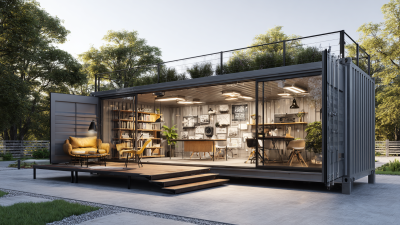
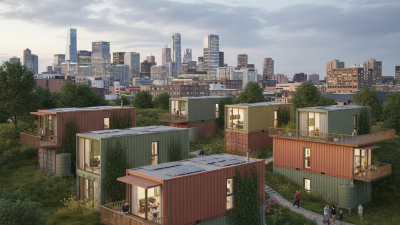
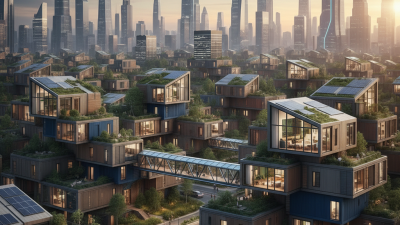
Top 2025 Trends in Freight Container Homes: Benefits and Design Ideas
Freight container homes are gaining popularity as a sustainable housing solution. These structures offer a unique blend of functionality and style. People are increasingly drawn to the idea of repurposing shipping containers into livable spaces.
The benefits of freight container homes are worth noting. They are cost-effective and highly durable, standing up to various weather conditions. Moreover, their modular design allows for creative layouts, making them versatile. However, these homes can present challenges, such as insulation issues or local zoning laws. Each project requires careful planning and consideration.
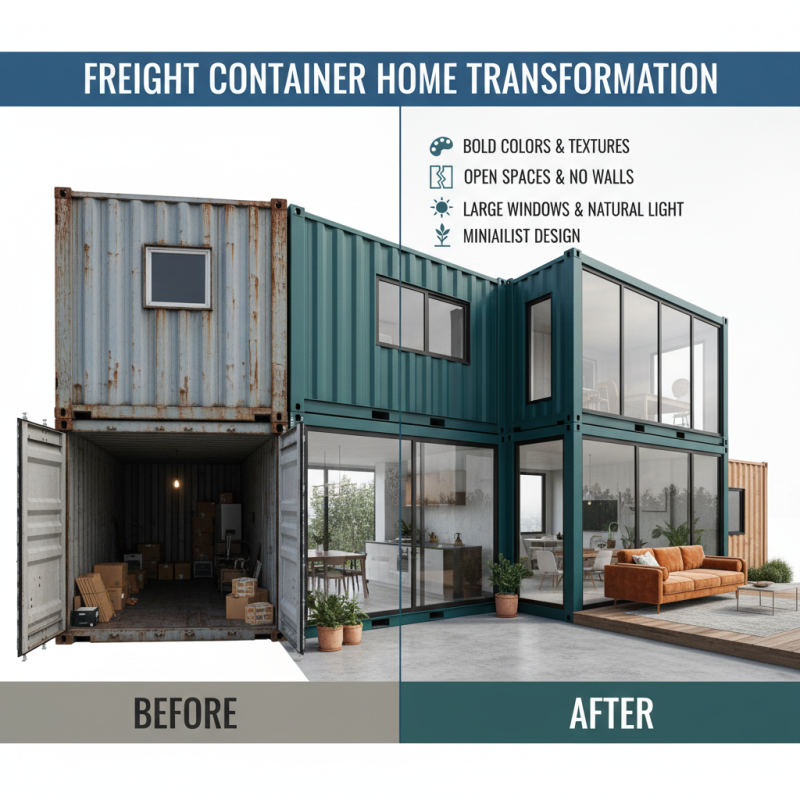
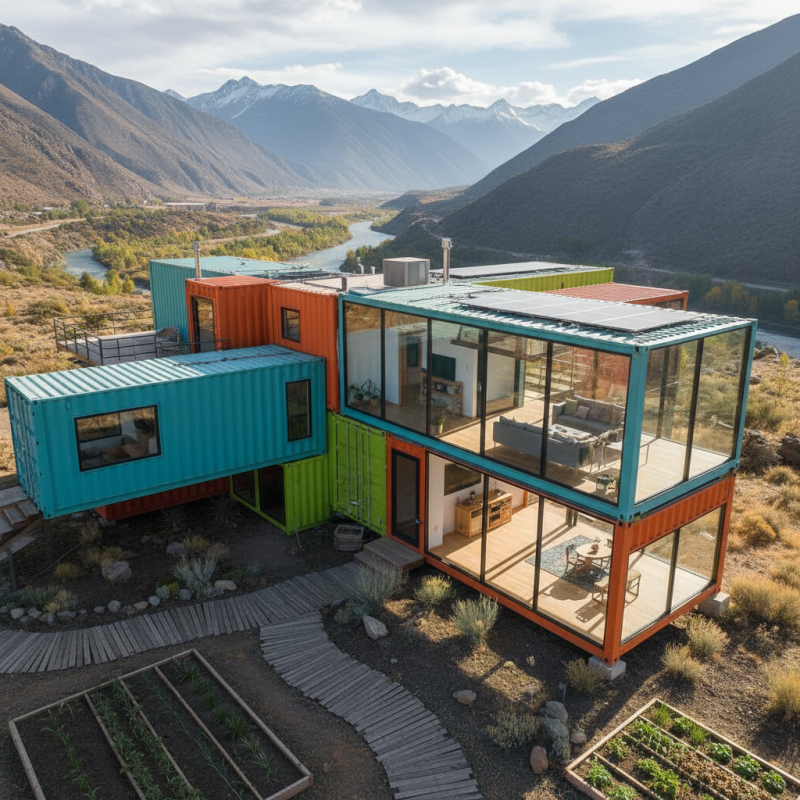
As we explore design ideas, the potential for customization becomes evident. Bright colors and innovative architecture can transform the exterior. Inside, open floor plans maximize space and natural light. Nonetheless, striking a balance between aesthetics and functionality remains a challenge. Freight container homes can inspire both innovation and reflection on sustainable living.
Emerging Trends in Freight Container Home Design for 2025
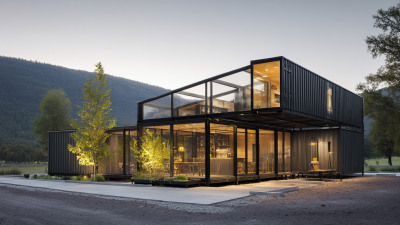
In 2025, freight container homes are becoming a popular choice for eco-conscious living. These homes offer a sustainable alternative to traditional housing. The use of repurposed containers helps reduce waste and promotes recycling. Many designs now include large glass windows, providing natural light and panoramic views. This blending of industrial and modern aesthetics is captivating.
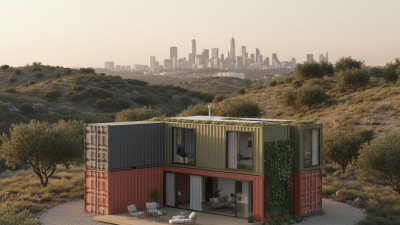
Homeowners are also exploring creative layouts. Some opt for multi-container arrangements. These can create spacious living areas or unique outdoor spaces. For example, a container could be used as an office or guest suite. Yet, challenges remain. Insulation and ventilation can be tricky to manage in such sturdy structures. Buyers must carefully consider these factors.
Another emerging trend is the integration of smart technology. Home automation systems improve energy efficiency and security. However, not all designs allow for seamless tech integration. Spaces can feel cramped or restrictive. These hurdles prompt potential owners to reflect on their actual living needs. Interior designs often require a balance of functionality and style.
Benefits of Using Freight Containers for Sustainable Living
Freight container homes offer a unique approach to sustainable living. They are often made from recycled materials, reducing waste. These containers are durable and weather-resistant, ideal for various climates. They can be transformed into cozy homes or efficient workspaces. The adaptability of freight containers allows for creative designs.
Living in a container home encourages a minimalistic lifestyle. Space is limited, forcing residents to prioritize their needs. However, this can be a challenge for those used to large homes. Each square foot must be maximized, leading to innovative storage solutions. Many people appreciate the challenge of creating functional yet stylish spaces.
Container homes often use energy-efficient materials. Insulation and solar panels can be integrated into the design. While these features are beneficial, initial costs may be high. It's essential to think critically about long-term savings vs. upfront expenses. The journey to a sustainable home is not always straightforward, but it can be rewarding.
Exterior Aesthetics: Modern Facades for Container Homes
The exterior aesthetics of freight container homes are evolving quickly.
Modern facades play a crucial role in enhancing their appeal. Homeowners often use
sustainable materials to create unique looks.
Large windows can bring natural light into tight spaces. Green roofs with plants add a fresh touch to an otherwise industrial style.
Colors matter too. Bold hues can make a statement, while
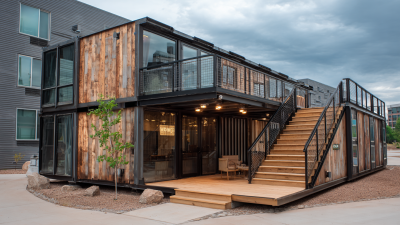
neutrals create a calm vibe. Some designs incorporate wood for warmth, blending two
different aesthetics. However, balancing modernity with practicality can be tricky. Some homeowners struggle with
insulation against weather elements. Choosing low-maintenance materials becomes vital.
Reflecting on personal style is essential. Each container tells a story, but that can get lost in flashy designs.
Embracing imperfections might evoke charm. Each scratch or dent adds character.
Finding the right blend of style and function requires careful thought. Ultimately, modern facades can redefine
how we perceive container living, but achieving that vision is a continuous process.
Legal Considerations and Zoning Issues for Container Home Projects
When considering freight container homes, legal aspects are crucial. Zoning regulations can vary widely. Some areas may permit container homes, while others might have strict restrictions. Understanding local laws is essential before starting your project. According to a 2022 report from the Container Homes Association, nearly 50% of container home projects face unexpected legal hurdles.
Building permits are not just a formality. They can dictate your project's timeline and budget. Common issues include setbacks and land use. Some regions require container homes to meet specific design standards. Not every design will meet approval. The National Association of Home Builders stressed that understanding legal frameworks can save time and money.
Tips: Research local zoning laws carefully. Engage with local authorities early to avoid surprises. Explore community resources that provide insights into planning approvals. Also, consider seeking advice from professionals familiar with container homes. They can help navigate the complexities involved in securing necessary permits.