


2026 Best Clothing Donation Drop Off Bin Types
Choosing the right Clothing Donation Drop Off Bin requires more than a bright label and convenient location. It requires evidence, maintenance, and clear donation guidance. A secure steel bin beside a supermarket feels practical, while a covered indoor collection point may better protect garments from rain, mold, and contamination.
The U.S. Environmental Protection Agency reported that Americans generated about 17 million tons of textile waste in 2018. Only approximately 2.5 million tons were recycled, according to the agency’s Advancing Sustainable Materials Management report. These figures show why collection design matters. However, a full bin does not prove successful reuse. Items still need sorting, transportation, quality checks, and responsible processing.
The 2024 Textile Exchange Materials Market Report also emphasizes the importance of traceability, recycled materials, and credible supply chains. That principle applies to donation bins. Operators should identify the receiving organization, explain accepted items, and publish realistic information about reuse or recycling outcomes. Small details matter. A dry floor matters. A locked access panel matters. A readable contact number matters.
This guide compares common bin types for 2026, including outdoor metal units, indoor collection boxes, smart monitored bins, and mobile event containers. It considers capacity, weather resistance, security, accessibility, servicing costs, and donor confidence. No bin is automatically sustainable. Even a well-designed container can fail when collections are irregular or instructions are vague. That is an uncomfortable point, but it deserves attention. The best choice connects thoughtful design with measurable, responsible operations.
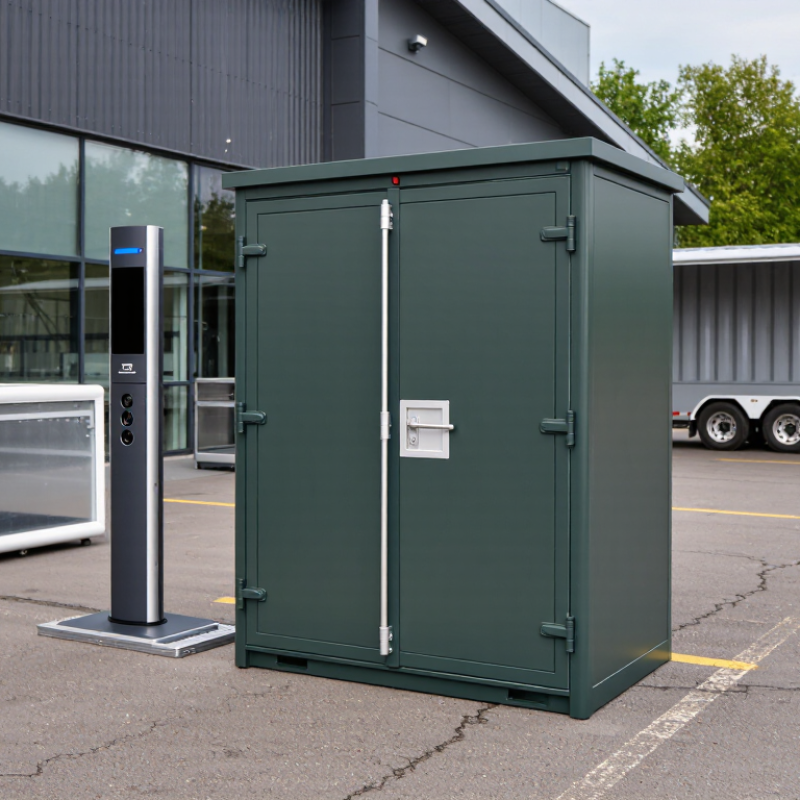
What Clothing Donation Drop-Off Bins Are and How They Work
2026 Best Clothing Donation Drop Off Bin Types
Clothing donation drop-off bins are secure collection containers placed near community facilities, parking areas, or retail spaces. They give people a simple way to pass on unwanted garments without waiting for a collection event. Some bins support charitable reuse, while others send textiles to sorting or recycling facilities. The label should explain the operator, accepted materials, and collection purpose.
Using a bin is straightforward. Place clean, dry clothing in a closed bag, then put it inside the marked opening. Do not leave bags beside the container. Overflow can cause damage, create litter, and make the site unsafe. Sorting teams later inspect the donations by condition, fabric, and seasonal demand. Wearable items may be distributed through community programs or resale channels. Damaged textiles may become wiping cloths, insulation, or recycled fiber.
Not every bin accepts shoes, bedding, wet fabric, or accessories. Check the posted instructions before donating. I used to assume every textile bin accepted the same materials, but that was careless. Labels can vary by location and change over time. A reliable drop-off point should display contact details, collection guidance, and maintenance information. If the bin is full, stained, or missing clear instructions, choose another site or wait for a staffed collection point. Small choices matter.
2026 Best Clothing Donation Drop-Off Bin Types: What Clothing Donation Drop-Off Bins Are and How They Work
| Bin Type | Typical Placement | How It Works | Commonly Accepted Items | Items Often Excluded | Best Use | Main Advantages | Important Considerations |
|---|---|---|---|---|---|---|---|
| Standard Clothing Donation Drop-Off Bin | Parking areas Retail lots Community sites | Donors place clean, dry clothing and other approved textiles through a locked or one-way deposit opening. Collection staff empty the bin on a scheduled route and transport the contents for sorting. |
|
| Routine textile donations when no staffed center is open. | Available outside regular business hours; protects donated items from direct weather exposure; supports convenient self-service. | Accepted materials vary by operator and location. Donors should follow the instructions printed on the bin and never leave bags beside it. |
| Weather-Resistant Outdoor Bin | Outdoor lots Apartment communities Transit-adjacent areas | A sealed enclosure uses a covered access slot, durable panels, and a raised or protected base to reduce exposure to rain, snow, and sunlight. The bin is emptied periodically. |
|
| Locations exposed to changing weather conditions. | Reduces moisture and contamination risk; can operate continuously; protects donations while they await collection. | A weather-resistant design does not make the bin waterproof under every condition. Donations should still be securely bagged and dry. |
| Indoor Collection Bin | Schools Offices Community buildings | The bin is placed inside a controlled facility. Users deposit approved textiles, and an assigned person or scheduled service transfers the donations for sorting. |
|
| Organized drives and locations with staff or building access controls. | Better protection from weather and unauthorized dumping; easier to monitor; useful for scheduled donation campaigns. | Access is limited to building hours. The host needs enough space and a clear plan for overflow collection. |
| Secure Lockable Bin | Public facilities Residential sites Managed parking areas | A restricted deposit opening and lockable service door help prevent unauthorized removal and reduce tampering. Authorized collectors open the service compartment during pickup. |
|
| High-traffic locations where donation security and controlled access matter. | Helps protect donations from theft and unauthorized access; supports safer, more predictable collection operations. | A secure lock does not guarantee that a site is safe from vandalism. Regular inspections, lighting, and clear signage remain important. |
| Textile-Recycling Collection Bin | Recycling points Municipal sites Community drop-off areas | Donated textiles are collected for a sorting process that may separate reusable items from materials suitable for recycling, wiping products, insulation, or other fiber recovery uses. |
|
| Textiles that are no longer suitable for direct reuse but remain dry and recoverable. | Diverts usable fiber from disposal; accepts some items that traditional reuse programs may not be able to distribute directly. | “Accepted for recycling” does not mean every item will be recycled. Final outcomes depend on material condition, composition, and sorting capacity. |
| Temporary Donation Drive Bin | Events Seasonal campaigns School or workplace drives | A temporary container is placed for a defined collection period. Organizers announce accepted materials, monitor the container, and arrange removal when the drive ends. |
|
| Short-term collection campaigns with a known start date and end date. | Encourages community participation; allows clear communication about the purpose and timing of the collection. | It should not be treated as a permanent drop-off point. Overflow, weather exposure, and delayed pickup can create contamination problems. |
| High-Capacity Commercial Textile Bin | Large properties Commercial sites Multi-unit housing | A larger container is installed where donation volume is expected to be high. Collection frequency is adjusted according to fill levels and site demand. |
|
| Sites with frequent donations and enough room for safe access and servicing. | Reduces overflow frequency; supports efficient route collection; suitable for sustained community or property-wide programs. | Requires adequate clearance for users and collection vehicles. The site should have a documented overflow and maintenance procedure. |
| Specialized Footwear and Accessory Bin | Retail areas Community centers Indoor collection points | The opening and internal space are designed for smaller textile items, shoes, and accessories. Shoes should generally be tied or fastened together to prevent separation. |
|
| Collecting accessories that may be inconvenient to place in a standard clothing container. | Keeps small items organized; improves the chance that shoes and accessories remain identifiable during sorting. | Acceptance rules differ considerably. Donors should check whether the bin accepts accessories, footwear, or both. |