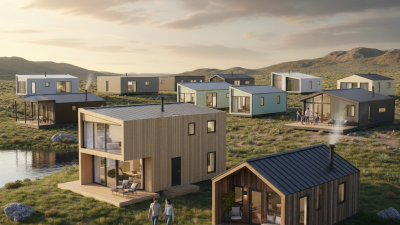
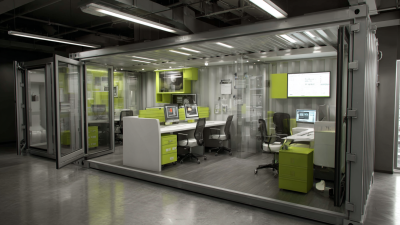
Discover the Advantages of Modular Buildings in China?
Modular buildings are revolutionizing the construction industry in China. These innovative structures offer flexibility and efficiency that traditional methods often lack. In recent years, the demand for modular buildings has surged, driven by urbanization and fast-paced development. They can be assembled quickly and with less waste, addressing common concerns in construction.
Many industries benefit from the advantages of modular buildings. They provide a practical solution for housing and commercial needs. Furthermore, these structures can be designed to meet various regulatory standards. However, challenges such as local regulations and market acceptance remain. It's vital to reflect on these issues.
With their growing popularity, modular buildings hold great promise for the future. Businesses and communities may find cost savings and reduced timelines appealing. Embracing this trend could reshape the landscape of construction in China.
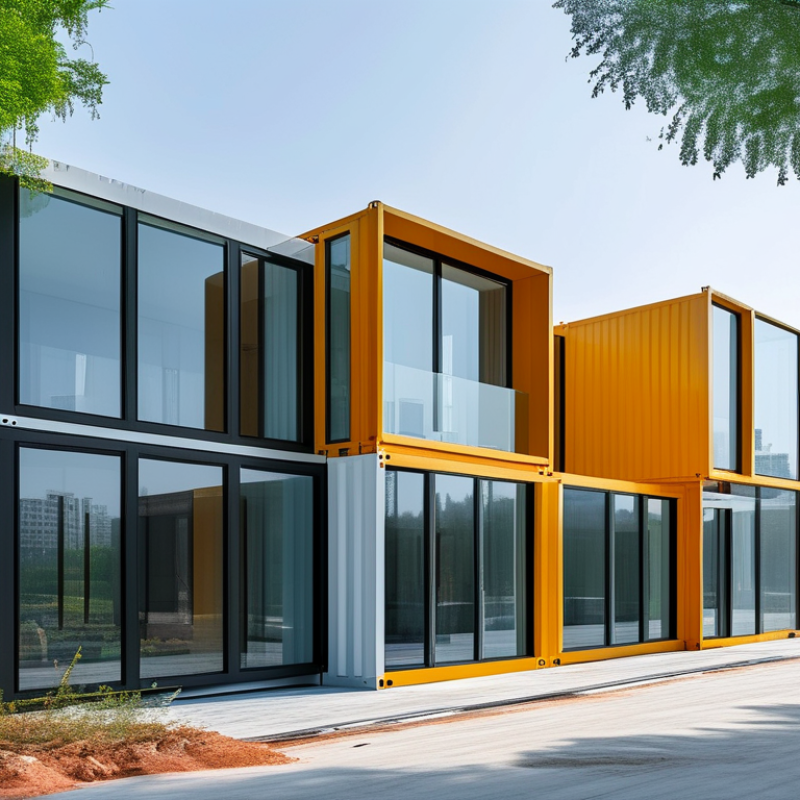
Benefits of Modular Buildings in China: An Overview
Modular buildings are becoming increasingly popular in China. They offer several advantages that are hard to ignore. According to a report by McKinsey, the construction industry in China could benefit from up to 30% cost savings by employing modular construction techniques. This method allows for quicker assembly and reduced labor costs, leading to more efficient project timelines.
Another key benefit is sustainability. Modular buildings generate less waste during construction. A study by the China Academy of Building Research shows that modular construction can reduce material waste by up to 50%. Furthermore, these structures are often designed with energy efficiency in mind, utilizing advanced insulation and HVAC systems to lower energy consumption.
However, not all aspects of modular buildings are perfect. The initial investment can be higher than traditional construction. This factor can deter some investors. Additionally, while modular techniques are evolving, they may not yet meet all local building codes. This inconsistency can lead to delays in approvals. Despite these challenges, the rising demand for affordable and sustainable housing continues to push the modular building sector forward in China.
Cost Efficiency of Modular Construction Compared to Traditional Methods
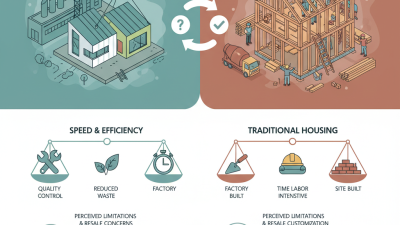
Modular buildings have gained traction in China for their cost efficiency. Unlike traditional construction methods, modular buildings are prefabricated off-site, which significantly reduces labor costs. Assembly is quick and straightforward. This approach minimizes the duration of projects, which translates directly into financial savings. The reduced waste in materials further cuts costs.
Moreover, modular construction allows for greater flexibility. Designers can easily modify plans without extensive overhaul, which can be very expensive in traditional builds. However, some may question the long-term durability of modular structures compared to traditional buildings. It’s essential to consider that quality control in factories can lead to a high standard of construction. Still, proper maintenance and local adaptations are vital for sustainability.
While the initial investment might seem daunting to some developers, the potential savings are impressive. Cost fluctuations in materials can impact budgets. This uncertainty highlights the need for careful planning and realistic expectations. Ultimately, embracing modular buildings can offer significant advantages, yet they require thoughtful implementation.
Cost Efficiency of Modular Construction Compared to Traditional Methods
Sustainability and Environmental Impact of Modular Buildings
Modular buildings are gaining attention in China for their sustainable approach. These structures are often prefabricated, which means they are assembled with less waste compared to traditional construction. This process reduces the need for raw materials, limiting the environmental footprint. They utilize eco-friendly materials, which further enhances their sustainability. However, not all modular buildings meet high environmental standards.
The impact on the environment is significant. Modular buildings can be designed for energy efficiency, incorporating natural light and ventilation. This minimizes reliance on artificial lighting and heating. Yet, some projects may overlook these features, compromising their potential benefits. It's essential to ensure these buildings are not just quick solutions but also align with long-term sustainability goals.
Another aspect to consider is the recycling potential of modular buildings. With components that can be disassembled and reused, they offer an advantage over traditional structures. However, the industry still faces challenges in developing a complete recycling system. It’s crucial for stakeholders to reflect on these gaps to truly embrace the sustainable promise of modular construction in China.
Speed of Construction: How Modular Solutions Save Time
Modular buildings are rapidly changing the construction landscape in China. These structures, often built in sections, can be assembled on-site much faster than traditional buildings. This speed of construction is a significant advantage, especially in urban areas where time is of the essence. By utilizing modular solutions, construction projects can be completed in a fraction of the time, allowing businesses to move in and operate without lengthy delays.
Workers can prefabricate modules in a factory while site preparation occurs simultaneously. This parallel workflow reduces overall project duration. For instance, while the foundation is being laid, walls, and roofs are being built off-site. However, this method is not without challenges. Ensuring quality control at the factory can be difficult. Additionally, weather conditions can impact the on-site assembly process, leading to unforeseen delays.
Despite these potential hurdles, the effectiveness of modular buildings cannot be overlooked. They not only save time but also allow for better resource management and reduced waste. Industries ranging from healthcare to hospitality are embracing this innovative approach. As the world adapts to rapid urbanization, modular buildings offer a pragmatic solution to meet the demands of a growing population.
Flexibility and Customization in Modular Building Designs
Modular buildings are gaining traction in China for their flexibility and customization. These structures can adapt to various needs, accommodating different layouts and sizes. Clients can choose from diverse materials and finishes, ensuring the final product aligns with their vision.
Customization allows for creativity. Although many standard designs exist, adjustments can transform a modular unit into something unique. This process can involve choosing colors, layouts, and even energy-efficient elements. However, it is crucial to keep budget constraints in mind. Overspending can lead to dissatisfaction later on.
Tip: Always assess your priorities. Identify which features are essential. This can prevent decision fatigue and ensure a smooth process.
Flexibility is another significant advantage. Modular buildings can be expanded or relocated easily. However, site-specific regulations can pose challenges. Understanding local codes is essential to avoid delays and additional costs.
Tip: Consult with industry experts at the beginning. Their insight can help navigate potential hurdles early in the project. A well-planned approach reduces risks and enhances quality.
Discover the Advantages of Modular Buildings in China? - Flexibility and Customization in Modular Building Designs
| Feature |
Benefit |
Examples |
| Flexibility |
Adaptable to various needs and sites |
Residential complexes, offices, schools |
| Customization |
Tailored designs to meet client specifications |
Unique layouts, personalized finishes |
| Sustainability |
Lower environmental impact and waste |
Use of recycled materials, energy-efficient designs |
| Speed of Construction |
Reduced construction time compared to traditional methods |
Accelerated project delivery |
| Cost-Effective |
Lower overall project costs |
Reduced labor and materials costs |
| Quality Control |
Enhanced quality due to factory conditions |
Consistent build quality, fewer defects |