Discover the Benefits of Capsule Tiny House Living Today?
Capsule Tiny House living is gaining momentum, appealing to those seeking simplicity and sustainability. According to a report by Statista, the tiny house market is projected to grow by 7.4% annually. This shift reflects a desire for minimalist living and reduced environmental impact. A Capsule Tiny House offers practical solutions for urban dwellers grappling with space shortages.
Experts emphasize the benefits of this lifestyle. It promotes financial freedom as homeowners reduce costs associated with utilities and maintenance. The average tiny home can save residents up to 60% on monthly expenses. However, this lifestyle isn’t without challenges. Limited space demands creative storage solutions and may require individuals to rethink their belongings.
In addition, while Capsule Tiny Houses provide a unique sense of community, they might isolate some people. Living in close quarters can lead to conflicts. Ensuring harmony requires open communication and adjustments in lifestyle. Overall, Capsule Tiny House living presents a compelling alternative, but potential residents must weigh its pros and cons carefully.
Understanding Capsule Tiny House Living: An Overview
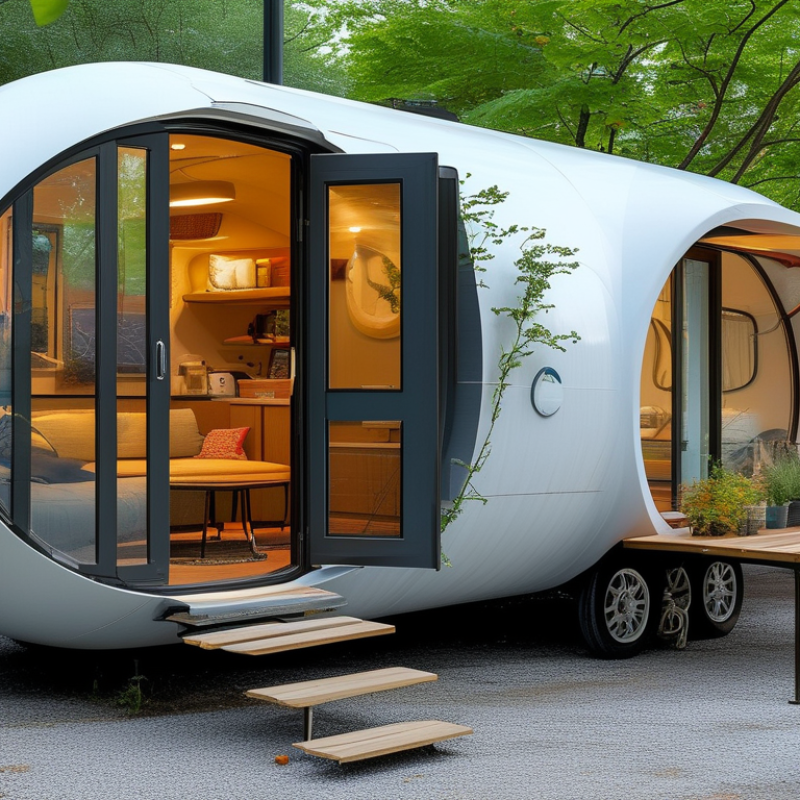
Capsule tiny house living is gaining traction among those seeking minimalism and sustainability. These compact homes, often measuring less than 200 square feet, offer a unique way to downsize. Living in a smaller space encourages more thoughtful consumption. Every item matters in a capsule home. This approach can foster a sense of freedom and reduce clutter.
While the benefits are clear, there are challenges. Space limitations require creative storage solutions. Not everyone may feel comfortable in such confined quarters. Adapting to capsule living can also be a mental adjustment. Still, many find that simplicity leads to a more fulfilling life. This lifestyle can promote a focus on experiences rather than possessions.
Understanding capsule living involves recognizing both its appeal and its hurdles. It’s not just about size; it’s about a different mindset. Being prepared for the challenges can make the transition smoother. Exploring tiny living requires open-mindedness. The journey may bring unexpected surprises and lessons.
Benefits of Capsule Tiny House Living
This bar chart illustrates the various benefits of living in a Capsule Tiny House. Each category represents a vital aspect of tiny house living, measured on a scale from 0 to 100, with higher scores indicating greater benefits. Highlighted are the strong aspects of affordability and sustainability, making it an appealing option for many individuals.
Key Benefits of Living in a Capsule Tiny House
Living in a capsule tiny house presents numerous benefits that attract minimalism enthusiasts. One key advantage is the efficient use of space. These compact homes are designed to maximize every square inch. This makes it easier to keep your living space organized. Less clutter can lead to a clearer mind.
Another benefit is affordability. Capsule tiny houses require a lower upfront investment compared to traditional homes. Lower utility bills and maintenance costs also contribute to significant long-term savings. Many people find joy in these financial benefits. However, it's essential to consider whether the smaller living space fits your lifestyle. This shift may require adjustments in your daily routines and mindset. It’s vital to reflect on what possessions you truly need.
Lastly, capsule tiny houses often promote a closer connection to nature. Many are designed to be portable and environmentally friendly. This creates opportunities for unique living experiences. However, it may also involve challenges, such as limited space for personal belongings. Embracing a capsule lifestyle encourages thoughtful decision-making. It demands that you prioritize what truly matters in your life.
Space Optimization Techniques in Capsule Tiny Houses
Capsule tiny houses are revolutionizing how we think about living spaces. These compact homes make use of every inch wisely. According to a recent study by the Tiny House Association, 68% of tiny house owners report feeling happier due to their streamlined living conditions. This happiness can be attributed to the effectiveness of space optimization techniques.
One popular method involves multifunctional furniture. A bed that converts into a sofa can save crucial floor space. Wall-mounted tables are also gaining traction; they can be folded away when not in use. The National Association of Home Builders notes that 75% of tiny house owners integrate such designs to enhance functionality. Hence, a small area can serve multiple purposes.
Storage solutions are another critical aspect. Utilizing vertical space is essential in tiny homes. Shelving units that reach the ceiling maximize usable area. However, the challenge remains in managing clutter. Some homeowners find it difficult to part with possessions, leading to a sense of overwhelm. This highlights the need for mindful ownership; true minimalism requires constant reflection and decision-making about what we truly need. As tiny house living grows, the journey toward space optimization remains an evolving process.
Discover the Benefits of Capsule Tiny House Living Today? - Space Optimization Techniques in Capsule Tiny Houses
| Feature | Description | Benefit |
| Space Efficiency | Utilizes every inch of space with multipurpose furniture | Maximizes usable area, reducing clutter |
| Sustainable Living | Promotes eco-friendly materials and minimalism | Decreases environmental footprint |
| Cost-Effectiveness | Lower construction and maintenance costs | Provides an affordable housing option |
| Mobility | Easily transportable designs | Allows for flexible living locations |
| Natural Light | Incorporates large windows and skylights | Enhances mood and reduces energy costs |
Environmental Impact and Sustainability of Tiny House Living
Capsule tiny house living offers significant environmental benefits. These small homes use fewer resources, which leads to a lower carbon footprint. The construction process generates less waste compared to traditional houses. Tiny homes often prioritize eco-friendly materials, ensuring a sustainable lifestyle. This shift towards minimalism helps reduce environmental impact.
Many tiny house owners embrace renewable energy sources. Solar panels and wind turbines are common features. These technologies reduce reliance on fossil fuels. Living in a compact space also encourages thoughtful consumption. Residents learn to prioritize needs over wants, leading to a more sustainable way of life. However, this transition requires mindset changes, which can be challenging.
There are drawbacks to consider. Limited space means less storage and fewer possessions. Some may struggle with the lack of personal space. Additionally, zoning laws can complicate tiny house placements. These issues require careful planning and reflection. Embracing this lifestyle demands flexibility and creativity in overcoming challenges.
Challenges and Considerations for Capsule Tiny House Owners
Living in a capsule tiny house can be liberating, yet it poses unique challenges. Space is limited, which can make organizing belongings difficult. For many, downsizing means letting go of sentimental items and excess furniture. The process can feel overwhelming. Finding practical storage solutions often requires creativity and resourcefulness.
Another consideration is the need for flexibility. Capsule tiny house designs may not always accommodate personal preferences or lifestyle changes. Some owners may find themselves adjusting their living habits. This transition can be uncomfortable, especially if you are accustomed to more spacious settings. Additional considerations include zoning regulations, which can vary widely by location.
The minimalist lifestyle promotes simplicity but can lead to feelings of isolation. With fewer distractions, individuals may confront their thoughts more deeply. It's essential to reflect on whether the benefits of capsule living outweigh the drawbacks. Awareness and acceptance are critical as you navigate this unique lifestyle.