What Are the Benefits of Converted Container Homes?
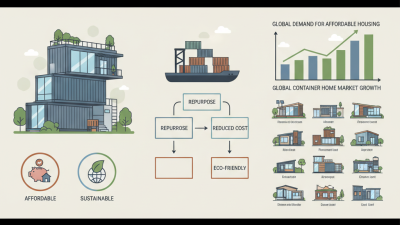
Converted container homes are gaining popularity for several reasons. Jane Smith, an expert in sustainable living, states, “These homes provide an innovative solution to housing shortages.” With increasing urbanization, more individuals seek affordable alternatives. Converted container homes stand out for their affordability and eco-friendliness.
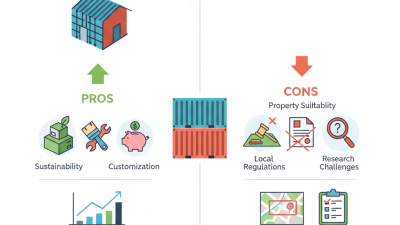
These homes are made from shipping containers, making them sturdy and transportable. Their unique design attracts many. However, potential homeowners should consider challenges. Insulation, for instance, is crucial for comfort. Some containers struggle with temperature regulation, especially in extreme climates.
Moreover, local building regulations may pose hurdles. It is vital to research requirements before starting a project. Many find that while converted container homes offer creative solutions, practical issues may arise. In the end, the benefits can outweigh these challenges.
Advantages of Eco-Friendly Construction with Container Homes
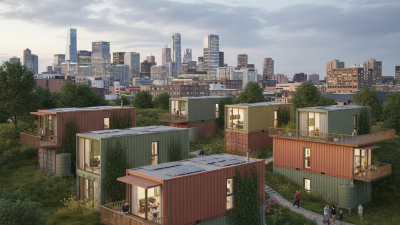
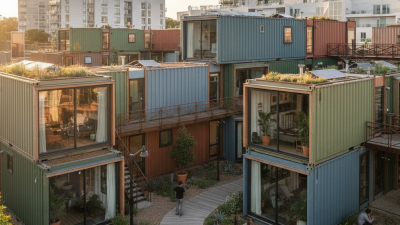
Container homes offer remarkable eco-friendly construction benefits. They recycle materials that would otherwise end up in landfills. By repurposing shipping containers, builders minimize waste and use fewer raw resources. Each container carries a story and history, adding character to a unique living space.
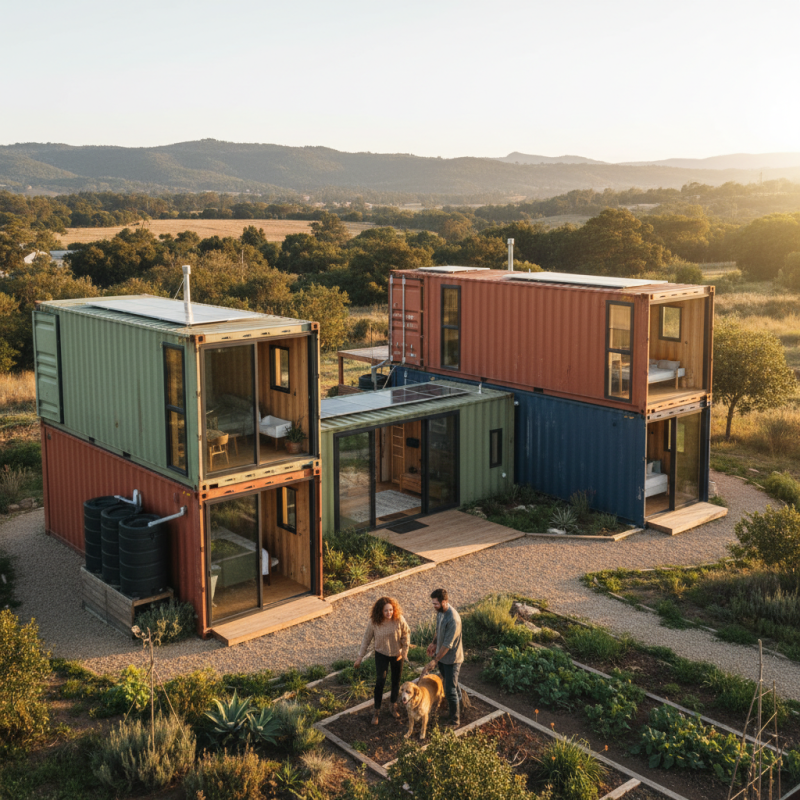
These homes often feature energy-efficient designs. Many container homes utilize solar panels for power. This choice reduces dependence on fossil fuels. Rainwater harvesting systems can also be integrated, allowing occupants to conserve water. However, some homeowners face challenges with insulation in extreme climates. This requires careful planning and creativity.
The affordability of container homes makes them appealing. They typically cost less than traditional homes. However, land costs can vary significantly. Homebuyers must also consider the amount of space they require. Limited interior space is a common issue for many container houses. Finding the balance between minimalist living and comfort is essential.
Cost-Effectiveness of Converted Container Homes in Modern Housing
Converted container homes are gaining popularity due to their cost-effectiveness. They offer an innovative solution for modern housing needs. Constructed from repurposed shipping containers, these homes reduce traditional building costs significantly. Using containers can cut construction expenses by up to 30%. That's appealing for many aspiring homeowners.
Creating a container home is not without challenges. First, land preparation can be costly and time-consuming. Finding suitable sites with proper zoning can be trickier than expected. Furthermore, insulation and heating can be an issue. Extreme weather can affect comfort levels, requiring additional investments.
However, the benefits often outweigh these challenges. A container home is typically quicker to build than traditional homes. Many designs can be tailored to individual preferences, making them unique. With proper planning, homeowners can create a sustainable, efficient living space. The versatility of container homes makes them an attractive choice in today's housing market.
Space Efficiency and Versatility of Container Home Designs
Container homes are gaining popularity for their space efficiency and versatility. These structures utilize repurposed shipping containers, transforming them into functional living spaces. Each container has a footprint of around 160 square feet, making it ideal for urban environments where land is scarce. However, the layout can be challenging. Designers need to maximize every inch effectively to create a comfortable atmosphere.
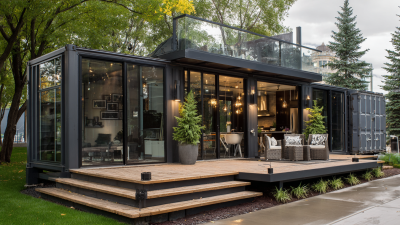
The versatility of these homes is seen in their various designs. They can be stacked, combined, or arranged in unique layouts. This feature allows for creativity in architectural plans. Some choose to create multi-story units, while others prefer single-level homes. However, the configuration must be well thought out. Poor planning may lead to cramped spaces and ineffective use of light. Adding windows can enhance aesthetics but may compromise structural integrity.
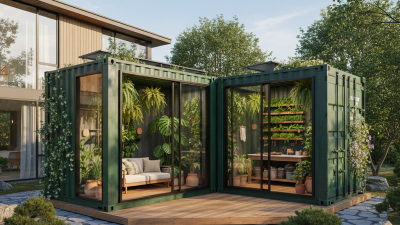
The interior design possibilities are endless. You can personalize these spaces with different materials and finishes. Compact furniture can be used to maintain an open feel. Yet, it's essential to focus on storage solutions to avoid clutter. Small living areas require innovative organization. Challenges remain in adapting to ever-changing needs. As family dynamics shift, flexibility in design becomes necessary for long-term satisfaction. Ultimately, finding the right balance in space efficiency and style requires ongoing thought and adjustment.
Sustainability and Reduced Environmental Impact of Container Living
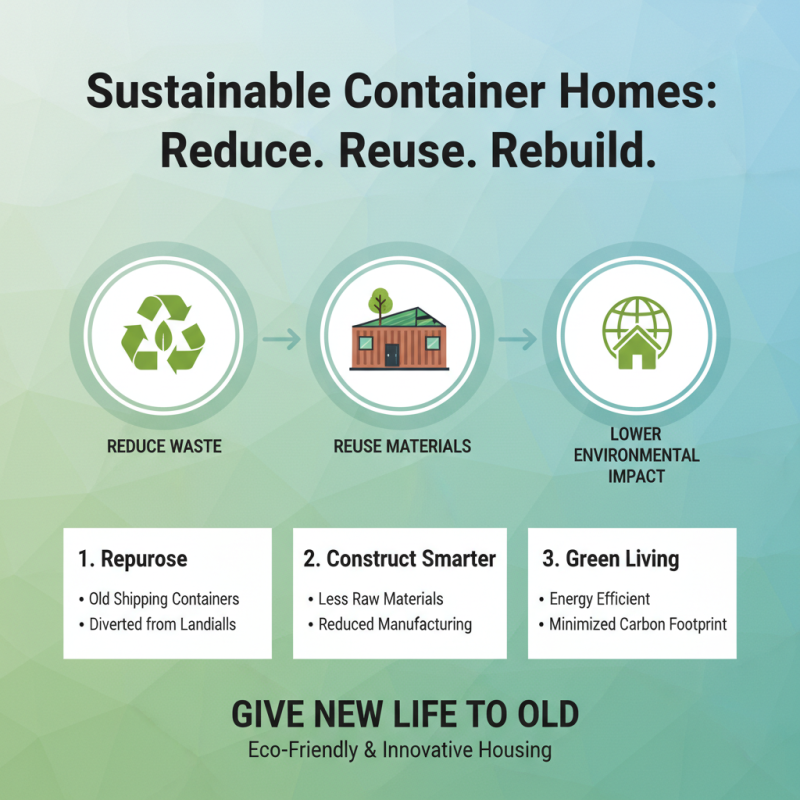
Container homes have gained popularity for their sustainability. Using shipping containers reduces waste. These containers often end up in landfills. By converting them, we give them a new life. It is not just about reusing materials; it's also about reducing resources. Fewer raw materials are needed for construction. This process minimizes the overall environmental impact.
Living in a container home promotes a smaller carbon footprint. The compact size encourages minimalism. Residents often buy less and waste less. However, adapting to a tiny space can be a challenge. Limited living area forces you to prioritize your possessions. Designing an efficient layout requires creativity and thought. Some find this lifestyle liberating, while others struggle with the adjustment.
Container homes can also utilize renewable energy sources. Solar panels can be easily installed. Rainwater harvesting systems are another option. Yet, the initial installation can be costly. Not everyone can afford these upgrades. While the benefits are clear, the challenges should not be overlooked.
Quick Construction and Customization Options for Container Homes
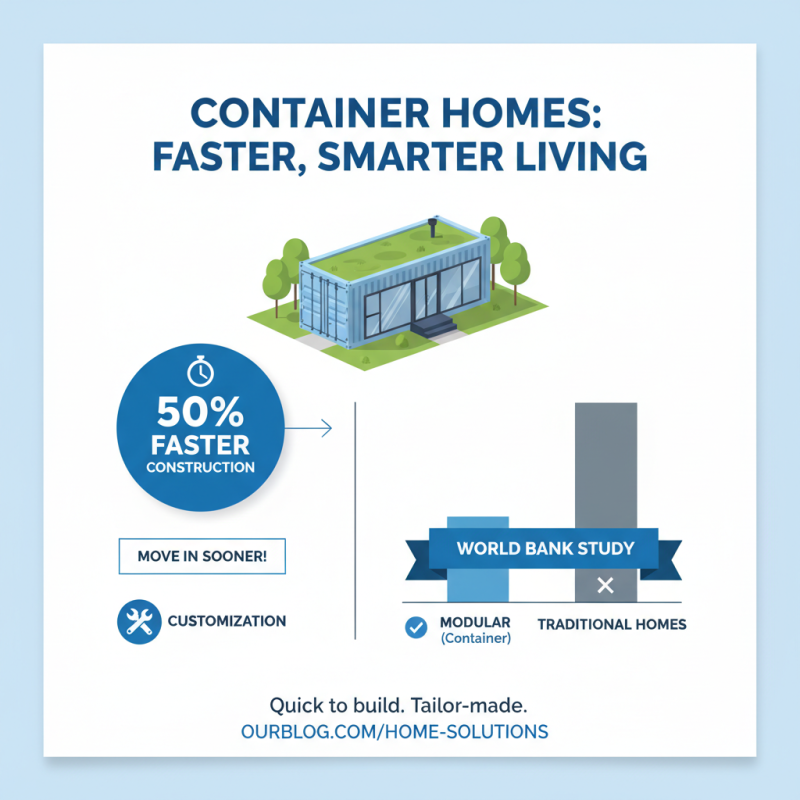
Container homes have become a popular choice for many. Their quick construction and customization options are key advantages. A study by the World Bank reports that modular homes, including containers, can be built 50% faster than traditional homes. This speed allows homeowners to settle in sooner, reducing wait times significantly.
Customization is another strong point. With container homes, owners can modify layouts easily. One can add windows, doors, and even multiple levels. According to a 2022 report by the Modular Building Institute, 85% of homeowners appreciate personalized designs. They want their homes to reflect their lifestyles and preferences.
However, customization can be a double-edged sword. Planning and zoning can become complicated. Some areas have strict regulations on container homes. Homeowners need to navigate permits carefully. Ultimately, while container homes offer innovation, the path to perfection requires attention to detail and local regulations.