Top 10 Benefits of Modular Homes in Ireland You Need to Know
As the demand for sustainable and efficient living solutions continues to rise, modular homes have emerged as a significant trend in the housing market in Ireland. According to John O'Sullivan, a renowned expert in the modular construction industry, "Modular homes in Ireland provide a unique blend of affordability, speed of construction, and environmental sustainability." This assertion underscores the growing popularity of modular homes as they address the urgent need for flexible housing solutions in both urban and rural settings.
With their innovative design and construction processes, modular homes in Ireland are revolutionizing the way we think about home building. They offer numerous advantages, including reduced construction time, minimized waste, and the ability to customize living spaces to meet the specific needs of buyers. As this industry continues to evolve, it's crucial for potential homeowners to understand the top benefits of choosing a modular home, not only for their practicality but also for their potential to enhance the quality of life. Exploring these benefits can provide invaluable insight into why modular homes are rapidly becoming a preferred choice in the Irish housing landscape.

Benefits of Modular Homes: A Sustainable Housing Solution in Ireland
Modular homes in Ireland are gaining attention as a sustainable housing solution, reflecting a growing trend towards eco-friendly living. One of the most significant benefits of modular homes is their efficiency in resource use. According to a report by the Construction Industry Federation of Ireland, modular construction can reduce construction waste by up to 90% compared to traditional building methods. This is achieved through factory-based assembly, where materials can be precisely cut and used, minimizing excess and ensuring more responsible resource management.
Furthermore, modular homes are designed with energy efficiency in mind. A study from the Sustainable Energy Authority of Ireland highlights that modular homes typically incorporate advanced insulation, which can lead to a reduction in energy consumption by as much as 60% compared to older housing stock. This not only lowers utility bills for homeowners but also supports national goals for carbon emission reduction. As more individuals and families seek sustainable living options, modular homes present an appealing alternative that aligns with the increasing emphasis on environmental stewardship in Ireland’s housing sector.
Top 10 Benefits of Modular Homes in Ireland
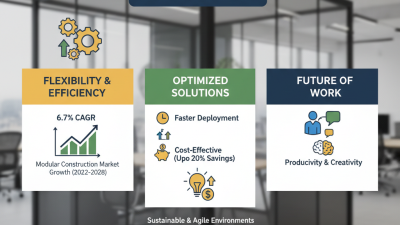
This chart highlights the various benefits of modular homes in Ireland, showcasing attributes such as cost-effectiveness, quick construction, and sustainability, all of which contribute to their growing popularity as a housing solution.
Cost-Effectiveness of Modular Homes Compared to Traditional Construction
The cost-effectiveness of modular homes compared to traditional construction methods is increasingly attracting attention in Ireland's housing market. According to a report by the Construction Industry Federation (CIF), modular homes can be constructed significantly faster, often within 50% of the time required for conventional builds. This efficiency not only reduces labor costs but also allows for quicker occupancy, which is crucial in addressing the ongoing housing shortage in the country.
Additionally, a study by the National Standards Authority of Ireland highlights that modular homes can be 10-20% cheaper to build when considering the reduction in on-site construction time and the minimization of weather-related delays. These homes are constructed in a controlled factory environment, which leads to more consistent quality and less material waste—factors that substantially lower overall costs.
With rising material prices and ongoing inflation, this makes modular housing an attractive option for both developers and potential homeowners looking for affordable solutions without compromising on quality or design flexibility.
Speed of Construction: How Modular Homes Can Be Built Quickly
Modular homes have gained traction in Ireland for their impressive speed of construction, a key advantage that appeals to many prospective homeowners. Unlike traditional building methods that can stretch over months or even years, modular homes can be constructed in a fraction of the time. The prefabrication process allows various components to be built in a factory setting, greatly reducing on-site construction time. Once the modules are manufactured, they are transported to the site and assembled quickly, allowing homeowners to move into their new residences sooner.
When considering a modular home, it’s essential to plan ahead. One useful tip is to ensure that all necessary permits and inspections are in place before construction begins. This can help avoid delays that often occur due to regulatory requirements. Additionally, engaging with experienced contractors who specialize in modular construction can streamline the assembly process and ensure high-quality results.
Another tip is to remain flexible with your design choices. Modular homes can be customized, but some elements may take longer to produce than others. By choosing simpler designs or common finishes, you can facilitate a faster construction timeline. Emphasizing a clear vision from the outset will not only speed up the building process but also enhance your overall satisfaction with the final product.
Top 10 Benefits of Modular Homes in Ireland
| Benefit |
Description |
Construction Time (Weeks) |
| Speed of Construction |
Modular homes can be built in a fraction of the time compared to traditional homes, often within a few weeks. |
6-12 |
| Cost-Effectiveness |
Reduced labor and material costs can lead to significant savings. |
N/A |
| Sustainability |
Many modular homes are built with eco-friendly materials and practices. |
N/A |
| Quality Control |
The factory setting allows for better quality control throughout the building process. |
N/A |
| Design Flexibility |
Offers a range of customizable designs to suit personal preferences. |
N/A |
| Reduced Site Disruption |
Minimizes noise and disruption on-site due to the efficient building process. |
N/A |
| Energy Efficiency |
Often better insulated and designed for energy efficiency. |
N/A |
| Faster ROI |
Quicker occupancy can lead to faster return on investment. |
N/A |
| Strong Resale Value |
Well-constructed modular homes retain good resale value. |
N/A |
| Weather Resistance |
Built to withstand harsh weather conditions due to rigorous building standards. |
N/A |
Energy Efficiency Features in Modular Homes and Their Environmental Impact
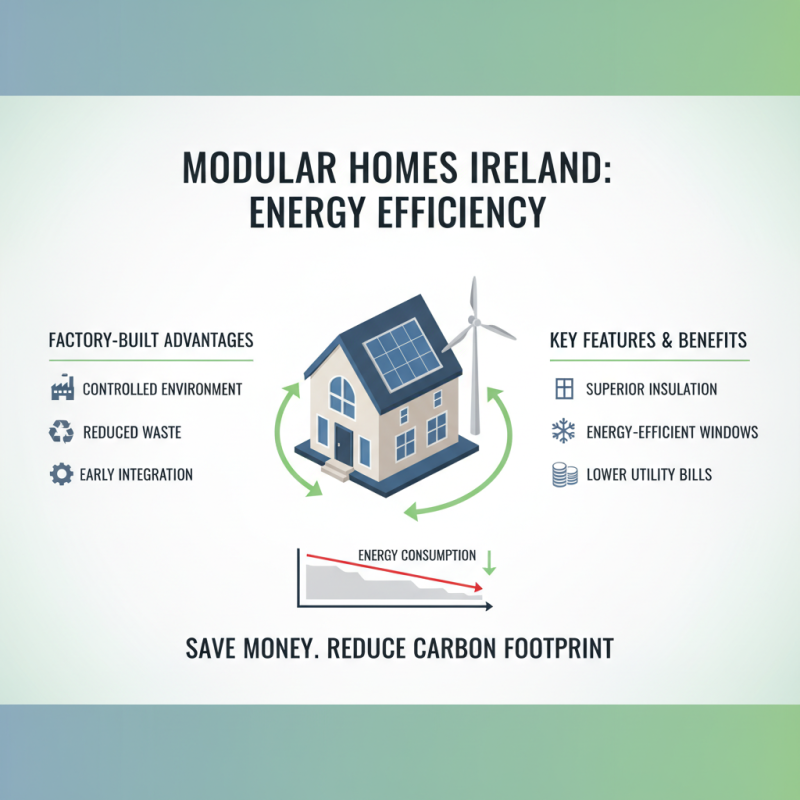
Modular homes have gained popularity in Ireland not just for their aesthetic appeal and cost-effectiveness, but also for their energy efficiency features. These homes are typically constructed in a factory setting, which allows for greater control over materials and construction methods. This controlled environment reduces waste and ensures that insulation and energy-saving technologies are integrated early in the process. With high-quality insulation and energy-efficient windows, modular homes can significantly reduce energy consumption, leading to lower utility bills for homeowners.
Moreover, the environmental impact of modular homes is notable. The use of sustainable materials and efficient building practices helps minimize the carbon footprint associated with construction. Many modular designs incorporate renewable energy solutions, such as solar panels and smart home technologies, further enhancing their energy efficiency. By prioritizing sustainability, modular homes not only benefit their residents but also contribute positively to the environment, making them a forward-thinking choice for homebuyers in Ireland. These homes exemplify how modern living can align with ecological responsibility, showcasing a commitment to both comfort and environmental stewardship.
Flexibility in Design: Customization Options for Modular Homes in Ireland
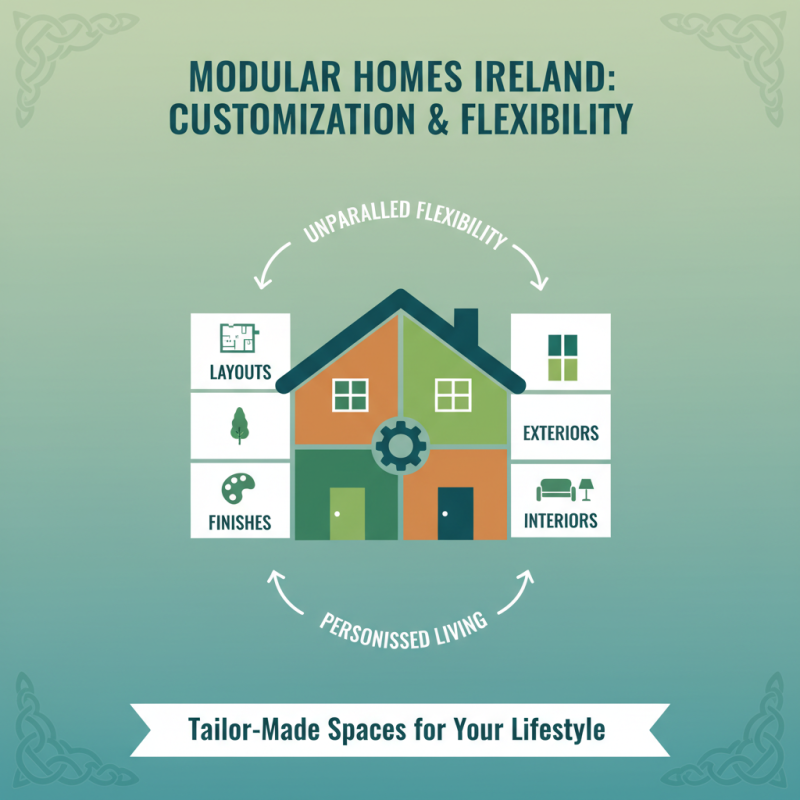
Modular homes in Ireland offer unparalleled flexibility in design, allowing homeowners to embrace a truly personalized living experience. One of the most notable features of these homes is the extensive range of customization options available. From the layout to the finishes, homeowners can tailor every aspect of their modular dwellings to reflect their individual tastes and lifestyle preferences. This level of customization enables them to create spaces that are not only functional but also aesthetically pleasing, catering to their unique needs and aspirations.
Moreover, the modular construction process facilitates rapid alterations and additions, further enhancing design flexibility. Homeowners can collaborate with architects and designers to modify floor plans, incorporate additional rooms, or even adjust the exterior appearance without the lengthy timelines typically associated with traditional construction methods. This adaptability not only promotes creative freedom but also ensures that each modular home can evolve with its residents over time, accommodating shifting family dynamics or lifestyle changes. Thus, modular homes in Ireland stand out as a practical choice for those seeking a custom-built property without compromising on quality or efficiency.