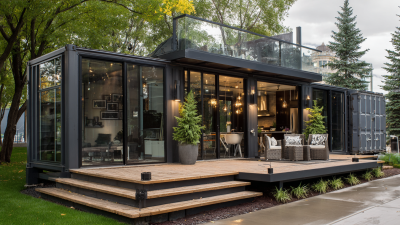
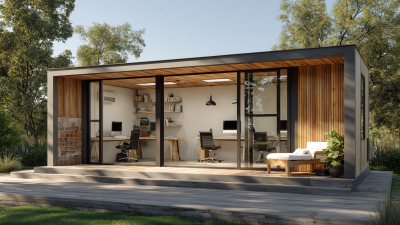
Top Benefits of Using Converted Containers for Sustainable Living
The increasing need for sustainable living solutions has sparked a significant interest in innovative housing alternatives, among which converted containers have emerged as a leading option. These versatile structures, originally designed for shipping goods across the globe, are being repurposed into functional living spaces that minimize environmental impact while maximizing efficiency. By utilizing converted containers, individuals and communities can embrace a more eco-friendly lifestyle, reducing their carbon footprint and promoting resource conservation.
One of the most compelling benefits of using converted containers is their inherent durability and strength, allowing them to withstand harsh weather conditions. This resilience not only ensures a longer lifespan but also diminishes the need for constant maintenance, making them a practical choice for sustainable living. Moreover, the process of converting containers into homes encourages recycling and repurposing, aligning with eco-conscious practices that are essential for a sustainable future.
Additionally, converted containers offer unique design possibilities that foster creativity and personalization. Homeowners can customize their spaces to reflect their individual styles while also incorporating energy-efficient technologies. As more people seek unconventional and sustainable living solutions, converted containers stand out as a fascinating answer to the challenges of modern housing, promoting a harmonious balance between comfort, aesthetics, and environmental responsibility.
Advantages of Using Converted Containers for Eco-Friendly Homes
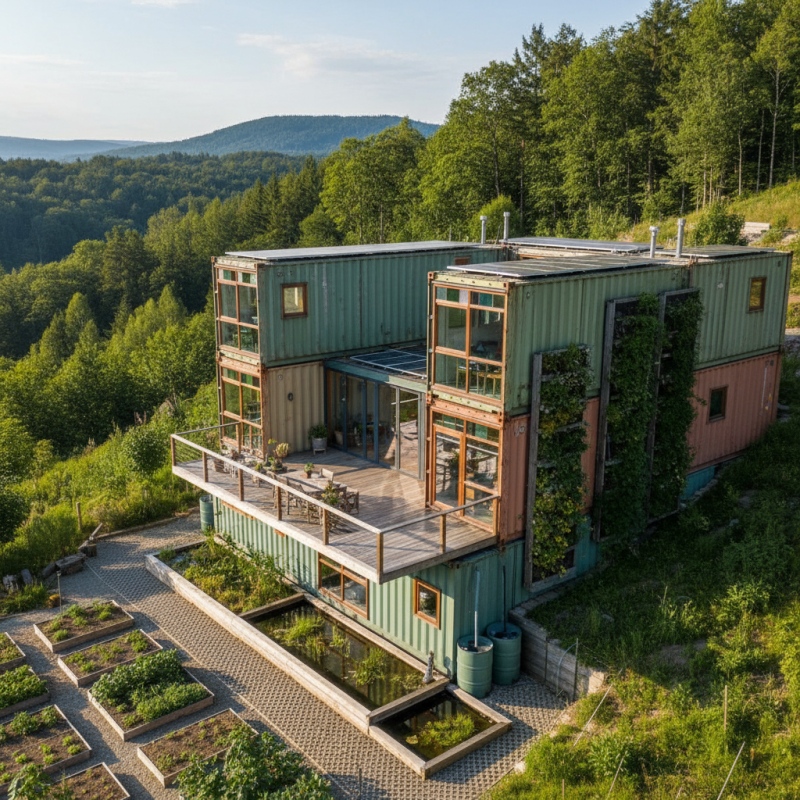
 Converted containers have emerged as a popular choice for eco-friendly homes, marrying sustainability with innovative design. According to a 2021 report by the Container Housing Association, the renovation of shipping containers into livable spaces can reduce construction waste by up to 80% compared to traditional building methods. This significant reduction in waste aligns with contemporary efforts to minimize environmental impact, making container homes an attractive option for those seeking sustainable living solutions.
One of the primary advantages of using converted containers is their energy efficiency. A study by the International Energy Agency found that properly insulated container homes can use up to 50% less energy for heating and cooling compared to standard homes. The inherent durability of steel containers also contributes to their sustainability; they require minimal maintenance and have a lifespan that can exceed 25 years when properly cared for. These attributes not only make them a practical choice for homeowners but also support a broader movement towards reducing the carbon footprint associated with residential construction.
Moreover, the adaptability of converted containers allows for unique architectural designs that blend seamlessly into various environments. The flexibility in layout and configuration enables homeowners to create spaces that reflect their personal values and lifestyles while minimizing their ecological impact. Reports indicate that the growing trend towards container living is gaining traction, with a projected increase in container home projects by 30% over the next five years, indicating a shift in how we approach sustainable housing solutions.
Cost-Effectiveness of Shipping Container Living Solutions
The rising costs of traditional housing have spurred interest in alternative solutions, notably
shipping container living. According to the U.S. Census Bureau, the median price of a
single-family home has surged past $400,000, making home ownership increasingly unattainable for many.
Converted shipping containers provide a cost-effective alternative, with estimates suggesting that
the average cost of a container home ranges between $10,000 and $35,000,
depending on customization and location. This figure is significantly lower than conventional homes, offering potential homeowners a viable
pathway into the real estate market.
Additionally, the construction of container homes can be completed in a fraction of the time required for traditional builds. A report by
the Container Home Association indicates that building with containers can reduce
construction time by 50% or more, allowing occupants to move in faster and potentially lower
labor costs. Moreover, as these containers are often sourced from maritime shipping lines, they embody a sustainable approach to living
that reduces waste and promotes recycling. By repurposing these structures, not only do individuals save money, but they also contribute
positively to environmental sustainability, making container living an increasingly
appealing choice for eco-conscious buyers.
Energy Efficiency in Converted Container Architecture
The concept of using converted containers for sustainable living has gained traction, particularly due to their energy efficiency advantages. By repurposing shipping containers, architects and builders are not only minimizing waste but also enhancing the energy performance of residential and commercial units. These containers are often designed with insulation techniques and reflective materials that help maintain internal temperatures, reducing the reliance on heating and cooling systems. Consequently, energy consumption decreases significantly, leading to lower utility bills and a smaller carbon footprint.
Moreover, the modular nature of container architecture allows for innovative designs that incorporate renewable energy solutions, such as solar panels and wind turbines. These systems can be integrated into the container structure, promoting self-sufficiency and further diminishing dependency on traditional energy sources. The flexibility in layout and design also means that these spaces can be tailored to optimize natural light and ventilation, enhancing comfort while minimizing energy use. By focusing on energy efficiency, converted containers not only serve as a viable solution for sustainable living but also promote a wider movement towards environmentally responsible construction practices.
Flexible Design and Customization Options for Container Homes
Container homes have gained popularity due to their flexible design and extensive customization options, allowing homeowners to create spaces that genuinely reflect their personal style and needs. The modular nature of shipping containers means they can be easily manipulated; walls can be added or removed to open up space or create new rooms. This adaptability allows for innovative layouts that cater specifically to the lifestyle of the inhabitants, whether it's a cozy studio for a single person or a multi-level family home.
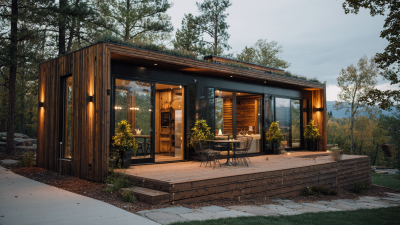
Moreover, the exterior of container homes can be transformed with a variety of finishes and materials, leading to unique architectural aesthetics. Homeowners can choose from a range of insulation options, windows, and doors, as well as eco-friendly features like green roofs or solar panels. This level of customization not only enhances the visual appeal but also contributes to sustainability by enabling energy-efficient designs. By using upcycled materials and innovative building techniques, container homes can be tailored to meet individual preferences while promoting a lower environmental impact.
Impact of Container Homes on Urban Sustainability and Development
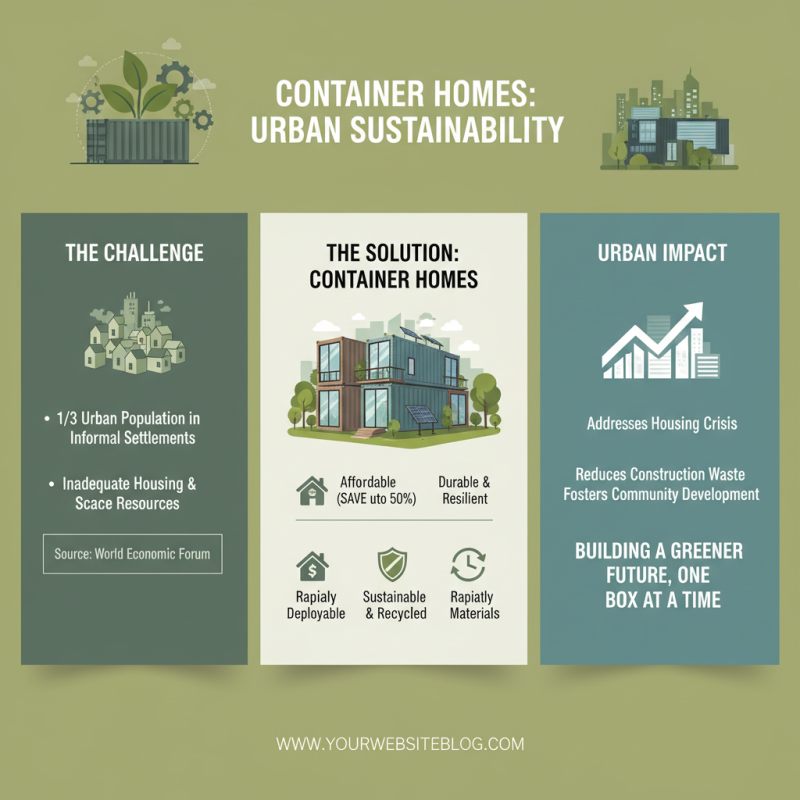
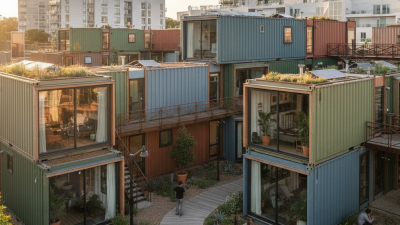
Container homes, often hailed as a sustainable living solution, play a pivotal role in enhancing urban sustainability and development. According to a report by the World Economic Forum, approximately one-third of the world's urban population resides in informal settlements, where housing is inadequate and resources are scarce. The adoption of converted shipping containers as residential units can address these challenges by offering affordable, durable, and rapidly deployable housing options. With the average cost of a traditional home in urban areas rising steadily, container homes present a cost-effective alternative, with construction estimates suggesting savings of up to 50% compared to conventional building methods.
Moreover, container homes contribute significantly to urban sustainability by promoting resource efficiency and reducing environmental impact. The United Nations Environment Programme reported that the construction industry accounts for nearly 40% of global carbon emissions. By repurposing containers, which are often discarded after their shipping life, this innovative housing solution minimizes waste and promotes recycling. Container homes can also be designed with eco-friendly technologies, such as solar panels and rainwater harvesting systems, leading to reduced energy consumption and improved self-sufficiency. In cities facing land scarcity, container homes offer a vertical expansion opportunity, maximizing space without perpetuating urban sprawl. As cities evolve to accommodate growing populations, the integration of container homes could be a crucial element in fostering sustainable urban ecosystems.