

Top

10 Best Airless Packaging Solutions for Global Buyers?

Choosing the right airless packaging solutions is not simply a matter of appearance. Global buyers must assess product protection, dispensing accuracy, material compatibility, and supply reliability. A sleek bottle can still fail if the pump leaves excessive residue or loses its seal during transport.

Not every pump performs equally.

In professional packaging evaluations, small details often reveal larger risks. Check whether the actuator works after repeated use. Examine the piston movement. Test the package with real formulas, including thick creams, fluid serums, and sensitive active ingredients. A laboratory sample may perform well, yet production batches can expose different weaknesses.

This guide reviews ten practical airless packaging solutions for international sourcing decisions. It considers bottle systems, tubes, jars, cartridges, refillable formats, and custom designs. Each option is examined through usability, barrier performance, decoration potential, minimum order quantities, and supplier communication. These factors matter when products cross borders and face long warehouse cycles.

Reliable sourcing also requires documented testing. Buyers should request technical drawings, material declarations, closure specifications, and quality-control procedures. Compatibility testing should be completed before large-scale production. No supplier claim should replace verification.

A perfect package is rarely realistic.

Trade-offs remain. A highly decorative finish may complicate recycling. A low unit price may require larger orders. A refillable system may improve sustainability but add assembly steps. The strongest choice depends on the formula, market, budget, and customer expectations. This comparison aims to make those decisions clearer, while acknowledging that packaging performance must be confirmed under actual use conditions.
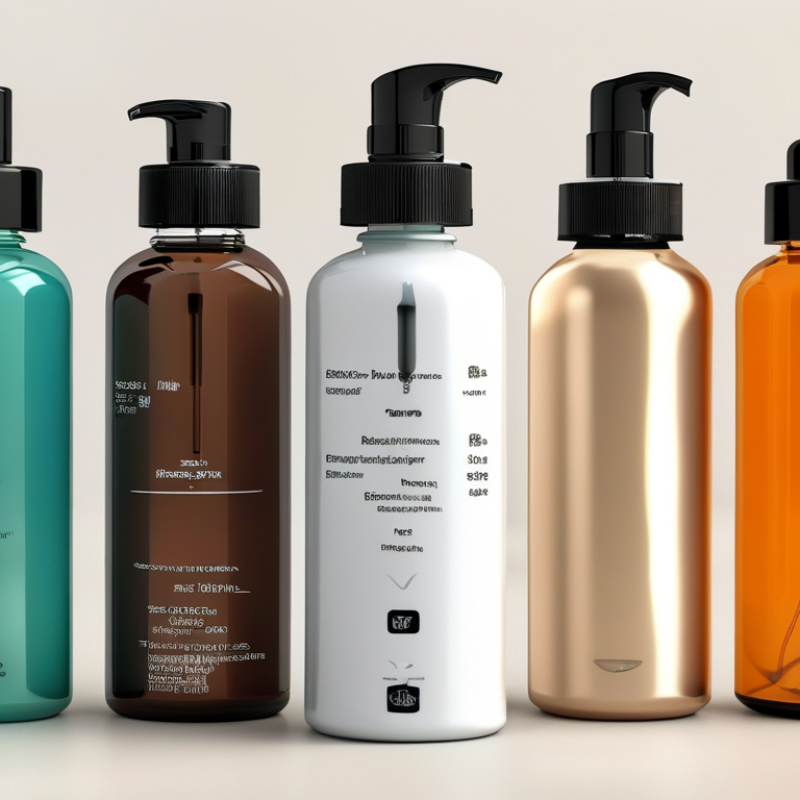
10 Best Airless Packaging Solutions for Global Buyers?

What Is Airless Packaging and Why Does It Matter Globally?

Airless packaging is a dispensing system that limits product contact with ambient air. A piston, flexible pouch, or similar barrier moves as the product leaves the container. This design can help protect creams, serums, and lotions from oxidation, drying, and repeated finger contact. In practical use, the pump often delivers a measured dose without turning the bottle upside down.

Small detail, significant impact.

For global buyers, airless packaging matters because products face long shipping routes, heat, cold, pressure changes, and repeated handling. A well-tested system can reduce leakage and preserve texture from warehouse to bathroom shelf. It also supports cleaner dosing, which may improve user confidence and reduce unnecessary product waste.

However, “airless” does not guarantee complete protection or a lower environmental footprint. Material combinations, residual product, and limited recycling infrastructure can complicate disposal. That assumption needs scrutiny.

Reliable procurement requires compatibility testing with the formula, including viscosity, acidity, fragrance, and active ingredients. Buyers should also check dose accuracy, priming performance, seal integrity, refill options, and packaging documentation. Regional packaging and labeling requirements deserve careful review. Independent stability and transport tests provide stronger evidence than attractive specifications alone. User feedback from different climates can reveal failures that laboratory checks miss.

No format is perfect. Trade-offs deserve honest review before volume orders.

Key Criteria for Evaluating Airless Packaging Solutions

When evaluating airless packaging solutions, global buyers should examine performance before appearance. The pump must deliver consistent doses from the first use to the last. Test several units with products of different viscosities, including thick creams and lightweight gels. A package that works well in a showroom may struggle after weeks of storage.

Material compatibility is equally important. Check whether the container, piston, and actuator resist swelling, cracking, odor transfer, or discoloration. Ask suppliers for barrier data against oxygen, moisture, and light. Confirm leakage performance after vibration, temperature changes, and repeated opening. These details support safer product protection during international transportation. They also reveal weaknesses that polished samples can hide.

Tips: Request production samples, not only prototypes. Record dose weight, actuation force, evacuation rate, and closure fit. Review technical files, quality procedures, and traceability records before approval. Consider recycled or refillable materials, but verify their actual durability and recycling routes. Custom decoration may look impressive, yet it can increase lead times and minimum order quantities. No option is perfect. A lower-cost pump might create more waste through inconsistent dispensing. A highly engineered design may be difficult to source during peak demand. Buyers should compare test results, supplier reliability, shipping conditions, and total cost together. A small pilot order is often wiser than a large commitment.

10 Leading Airless Packaging Solutions for Global Buyers

10 Leading Airless Packaging Solutions for Global Buyers

Airless packaging protects formulas from repeated air exposure, while improving dosing and reducing product waste. Grand View Research estimates that the global airless packaging market reached about US$5.2 billion in 2023. Its forecast also indicates steady growth through 2030, supported by skincare, personal care, and pharmaceutical applications. Global buyers should examine ten leading solutions: piston bottles, airless jars, pump tubes, dual-chamber dispensers, bag-in-bottle systems, refillable cartridges, mono-material polypropylene packs, post-consumer recycled formats, aluminum airless containers, and travel-size metered pumps.

Each format solves a different operational problem. Piston bottles suit lotions and creams requiring controlled dispensing. Airless jars offer a familiar user experience, but their moving parts need careful testing. Dual-chamber dispensers separate incompatible formulas until use. Mono-material designs can simplify recycling assessments.

PCR content may reduce virgin plastic use, although color variation and supply consistency remain practical concerns. PMMI’s recent packaging reports identify sustainability, flexible formats, and supply-chain resilience as major purchasing priorities.

Performance must come before attractive claims. Buyers should test formula compatibility, pump recovery, leakage, dosage accuracy, and residual product after transport. ASTM D4169 distribution testing can help simulate shipping stress. Barrier performance also matters in hot, humid routes. A lighter pack is not automatically better. Refillable systems may reduce material use, yet they can increase cleaning and logistics demands. Some specifications will be imperfect; early pilot testing exposes those weaknesses before mass production.

Comparing Materials, Formats, Performance, and Costs

Global buyers often compare ten airless packaging solutions: PP bottles, PE bottles, PET containers, glass bottles, aluminum packs, PCR plastic, bio-based plastic, airless tubes, refillable systems, and dual-chamber formats. Each option protects formulas from repeated air exposure. However, material choice changes weight, appearance, recyclability, and unit cost. PP usually offers a practical balance between durability and price. Glass feels premium but adds shipping weight and breakage risk. Aluminum blocks light well, yet it may require more careful forming.

Format affects performance at the point of use. A standard bottle suits lotions and fluid creams. An airless tube works better for travel and controlled hand application. Dual-chamber packaging can separate incompatible ingredients until dispensing. Refillable designs reduce waste, but their replacement parts can increase purchasing complexity. PCR plastic supports recycled-content goals, although color variation may appear between production batches. Small details matter. A narrow actuator can reduce mess on a bathroom shelf.

In testing buyers should measure dose accuracy, residual product, drop resistance, and pump recovery. Ask suppliers for filled samples, not empty shells. A package that looks efficient may leave five percent of the formula behind. That is a real cost. Premium glass may justify its price for sensitive formulas or luxury positioning, but not for every export route. My practical preference is to compare total delivered cost, including freight, rejects, assembly, and filling speed. No format wins every test. Sometimes the cheapest component creates the most expensive problem.

Global Compliance, Customization, and Supplier Selection

10 Best Airless Packaging Solutions for Global Buyers

Global buyers should judge airless packaging by compliance, customization, and supplier reliability. A practical top-ten shortlist includes recyclable mono-material bottles, PCR-content packs, glass-compatible systems, refillable designs, low-dose pumps, high-barrier containers, travel sizes, child-resistant options, decoration-ready surfaces, and sterile-compatible formats. Each solution needs documented testing.

The European Commission’s Packaging and Packaging Waste Regulation targets a 5% reduction in packaging waste per person by 2030, compared with 2018 levels. It also pushes packaging toward recyclable designs. Therefore, buyers should request material declarations, recyclability evidence, migration testing, and regional compliance files before approving samples. Airless performance also depends on formula viscosity, piston movement, sealing quality, and dispensing accuracy. A premium-looking pack can still fail during transport.

Customization should begin with measurable requirements. Specify fill volume, dose per actuation, neck finish, decoration method, recycled content, and expected shelf life. Supplier audits should review quality systems, batch traceability, factory capacity, and corrective-action records. The UNEP report Turning off the Tap states that global plastic pollution could be reduced by 80% by 2040 through system-wide changes, including better product design. That supports simpler, recoverable packaging choices. Still, recycled materials may vary in color and processing behavior. No supplier scorecard is perfect. Buyers should test pilot batches under heat, cold, vibration, and repeated use before placing a global order.

10 Best Airless Packaging Solutions for Global Buyers? - Global Compliance, Customization, and Supplier Selection

No. Airless Packaging Solution Typical Fill Volume Recommended Product Formats Common Materials Protection & Dispensing Benefits Customization Options Key Global Compliance Checks Best Buyer Application
1 Standard Airless Pump Bottle 15–200 mL Lotions, creams, serums, sunscreens PP, PE, PET, or multilayer plastic Reduces air exposure and backflow; controlled dose per pump Color matching, screen printing, labeling, actuator styles, dose size Material restrictions, packaging-product compatibility, leakage and pump-performance testing High-volume skincare and personal-care programs
2 Airless Cosmetic Jar 15–100 mL Rich creams, balms, masks, eye products PP, SAN, PET, glass outer shell, elastomer components Jar appearance with reduced finger contact and improved product evacuation Single or double wall, metal-look finish, insert color, closure decoration Cosmetic-contact safety, migration testing, closure torque, drop and transport tests Premium facial-care and treatment products
3 Airless Tube 10–150 mL Hand creams, gels, toothpaste, spot treatments PE, PP, EVOH-barrier laminate, aluminum laminate Lightweight format; good product evacuation; suitable for portable use Shoulder shape, nozzle type, cap design, tube decoration, PCR content Barrier performance, seal integrity, squeeze-force testing, food or cosmetic contact requirements Travel-size, dermatological, and targeted-use products
4 Dual-Chamber Airless Pack 15–50 mL total Two-part serums, separated active ingredients, mixed treatments PP, PE, multilayer barrier structures, elastomer seals Separates incompatible formulas until dispensing; supports synchronized dosing Chamber ratio, dual outlet, actuator geometry, dose calibration, decoration Chamber separation, dose uniformity, stability after activation, compatibility and leakage testing Specialized skincare and professional treatment systems
5 Refillable Airless System 30–200 mL Moisturizers, body care, cleansers, liquid makeup Reusable PP or PET outer pack with PP or PE refill cartridge Reduces material use per refill cycle while preserving hygienic dispensing Snap-fit or screw-in refill, transparent window, refill identification, decoration Refill durability, user safety, cleaning instructions, recycling claims and local labeling rules Sustainability-focused retail and subscription programs
6 PCR-Content Airless Pack 30–150 mL Mainstream creams, lotions, shampoos, body products Post-consumer recycled PP or PE, often with virgin resin in critical parts Supports recycled-content targets while retaining airless product protection PCR percentage, opaque color, molded details, label or direct-print decoration Verified PCR content, odor and color consistency, mechanical performance, recycling labeling Markets with recycled-content commitments
7 Mono-Material Airless Pack 30–150 mL Lotions, creams, gels, and liquid personal-care formulas Predominantly PP or predominantly PE construction Simplifies material identification and may improve recycling compatibility Material family, removable label, embossing, molded color, reduced mixed components Local recyclability assessment, component separation, label adhesion, barrier and pump testing Buyers prioritizing circular-design objectives
8 High-Barrier Airless Pack 15–100 mL Vitamin products, retinoid formulas, botanical extracts, oxygen-sensitive creams EVOH multilayer, aluminum laminate, barrier-coated plastic Improves resistance to oxygen, moisture, light, and volatile loss Barrier level, opaque or tinted body, low-dose actuator, tamper evidence Oxygen and water-vapor transmission, light transmission, stability, extractables and leachables Sensitive formulas requiring extended shelf-life protection
9 Metered-Dose Airless Dispenser 5–100 mL Active skincare, eye products, nasal or topical preparations PP, PE, POM, stainless steel spring, elastomer seals Repeatable dose delivery and reduced contamination risk during use Dose volume, lockable actuator, nozzle geometry, tamper-evident features Dose accuracy, priming, microbial protection, chemical compatibility and applicable product regulations Products where dosing consistency is commercially important
10 Compact Airless Pack 5–30 mL Concealer, eye cream, lip treatment, travel skincare PP, ABS outer shell, PE reservoir, elastomer components Small footprint, low product waste, convenient one-hand dispensing Pocket-size geometry, click lock, custom color, decoration, sample or travel configuration Closure security, drop resistance, dose consistency, cosmetic-contact safety and labeling requirements Travel retail, sampling, promotional kits, and premium miniatures
Buyer selection note: The volume ranges and material combinations shown are typical industry configurations. Final suitability should be confirmed through formula compatibility, stability, barrier, leakage, dose-performance, transport, and destination-market compliance testing.

Article Source: