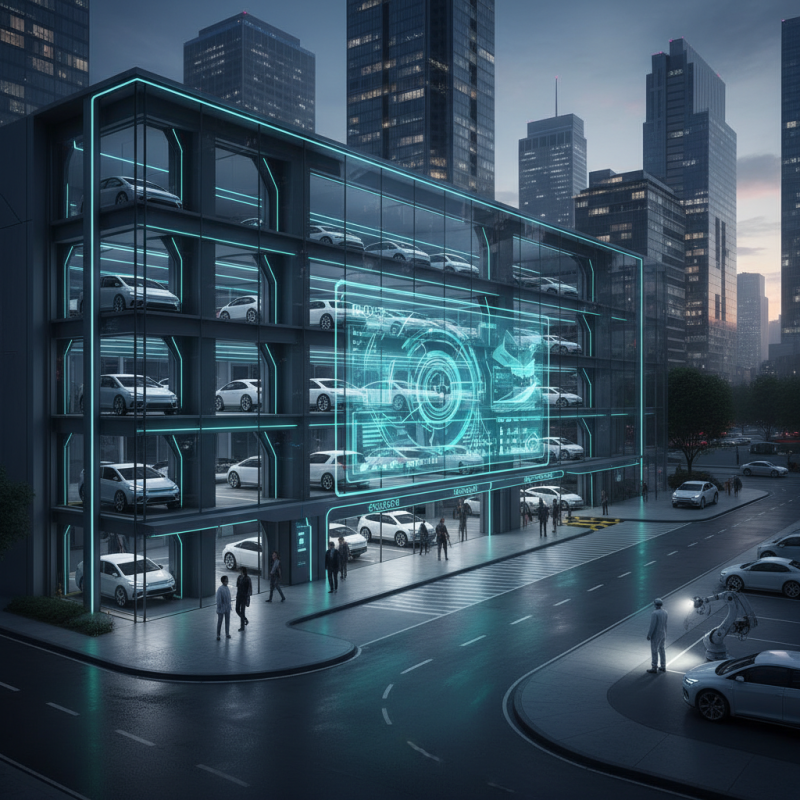
How to Choose the Best Automated Parking Management Systems?
Choosing the right Automated Parking Management Systems is crucial for modern facilities. These systems help streamline parking operations, enhance user experience, and provide real-time data. Many options are on the market, which can be overwhelming.
When evaluating an Automated Parking Management System, consider the specific needs of your facility. Think about the parking layout and the expected volume of vehicles. Not all systems will fit perfectly. Some may lack essential features, leading to frustration.
Reliability is key in these systems. A dependable system minimizes downtime and ensures user satisfaction. However, it’s essential to remember that no solution is flawless. Regular maintenance and updates are necessary for optimal performance. An informed decision will lead to greater efficiency and lower operational costs.
Understanding the Importance of Automated Parking Management Systems
Automated parking management systems (APMS) are essential for modern urban spaces. They streamline the parking process, reduce congestion, and optimize space usage. Understanding their importance can shape efficient parking strategies. Cities face rising vehicle numbers. Parking demand stresses resources. An effective APMS can alleviate these issues.
Choosing the right system is crucial. Look for features that enhance user experience. A user-friendly interface can simplify the parking process. Integration with mobile applications provides users real-time availability. This tech-savvy approach meets modern drivers' expectations.
**Tip:** Assess your specific needs before selecting a system. Consider factors like location and capacity. Scalability should be a priority for future growth.
Another factor is data analytics. A reliable APMS can provide insights into parking patterns. This information aids in decision-making and resource allocation.
**Tip:** Regularly review system performance. Ensure it adapts to changing demands. This helps in maintaining efficiency.
Automation reduces human errors but is not foolproof. Systems may face technical issues, requiring backup plans. Understanding these limitations promotes better management. Implement regular check-ups for sustained operation.
Comparison of Key Features in Automated Parking Management Systems
Key Features to Look for in Parking Management Software Solutions
When selecting an automated parking management system, focusing on key features is crucial. An intuitive interface is essential. Users should navigate the system effortlessly. This can enhance user satisfaction and operational efficiency. Consider integrations with existing technologies, like payment systems or security cameras. A seamless connection can streamline operations effectively.
Another important feature is real-time monitoring. Systems should offer updates on parking space availability. This data helps in managing resources better. An efficient reporting tool is vital. It provides insights into usage patterns and occupancy rates. These analytics can guide decision-making for facility improvements.
Tips for choosing the right system include defining your specific needs. Assess if you require features like mobile access or reservation systems. Analyze scalability too. Your chosen solution should adapt as your requirements change. Keep in mind that no system is perfect; finding one that aligns closely with your needs may require some compromises. Remember to evaluate customer support options, as reliable assistance is essential for ongoing operations.
Evaluating User Experience: Interface and Accessibility of Parking Systems
When evaluating automated parking management systems, user experience is crucial. The interface should be intuitive. A well-designed interface makes it easy for users to navigate and find parking spots quickly. Accessibility matters too. If people with disabilities struggle to use the system, it diminishes the overall value.
Testing different interfaces is important. User feedback can reveal pain points that might not be obvious at first glance. For instance, small text could hinder readability. A cluttered display may confuse users. Experts suggest conducting usability tests. Observing real users can help identify issues.
Accessibility features are often underrepresented. Systems need to accommodate diverse user needs. Clear labels and voice commands can enhance usability. However, achieving this balance is challenging. Not every design will satisfy everyone. Continuous improvement is essential. Engaging users in the design process can provide valuable insights, enhancing both experience and accessibility.
Cost Analysis: Initial Investment vs. Long-Term Savings in Parking Tech
Automated parking management systems offer a vital solution for modern urban challenges. Cost analysis plays a significant role in selecting the right system. The initial investment can be substantial. However, long-term savings often outweigh these costs. Understanding this dynamic is essential for making informed decisions.
Investing in automation can lead to reduced labor costs and improved efficiency. Think about the reduced time spent searching for parking spaces or the decrease in vehicle damage with organized facilities. Over time, these benefits can add up significantly. Evaluate maintenance costs too, as reliable systems may require less frequent repairs.
Tips for making an informed choice include: Analyze potential savings from reduced staff and space optimization. Factor in technology advancements, which can influence long-term costs. Also, consider the scalability of the system. What works today might need upgrades tomorrow. Reflect on your specific parking needs and future growth potential. An ideal solution should align with both current and anticipated requirements.
Integration Capabilities: Ensuring Compatibility with Existing Infrastructure
When selecting an automated parking management system, integration capabilities are crucial. You need a system that easily connects with your existing infrastructure. Compatibility minimizes disruptions and delays during installation. If the system can’t integrate, it may lead to inefficiencies.
Consider your current software and hardware. Assess their compatibility with potential new systems. An ideal solution will streamline operations without extensive modifications. Sometimes, systems offer various integration options. Don’t overlook this aspect during your evaluation. It can save significant time and resources.
Tips: Ensure your chosen system supports common protocols. Research how it interacts with your existing tools. A well-integrated system enhances user experience and reduces errors. Test the system in real-time scenarios before full implementation. A trial period often highlights integration weaknesses. This reflection helps in informed decision-making.