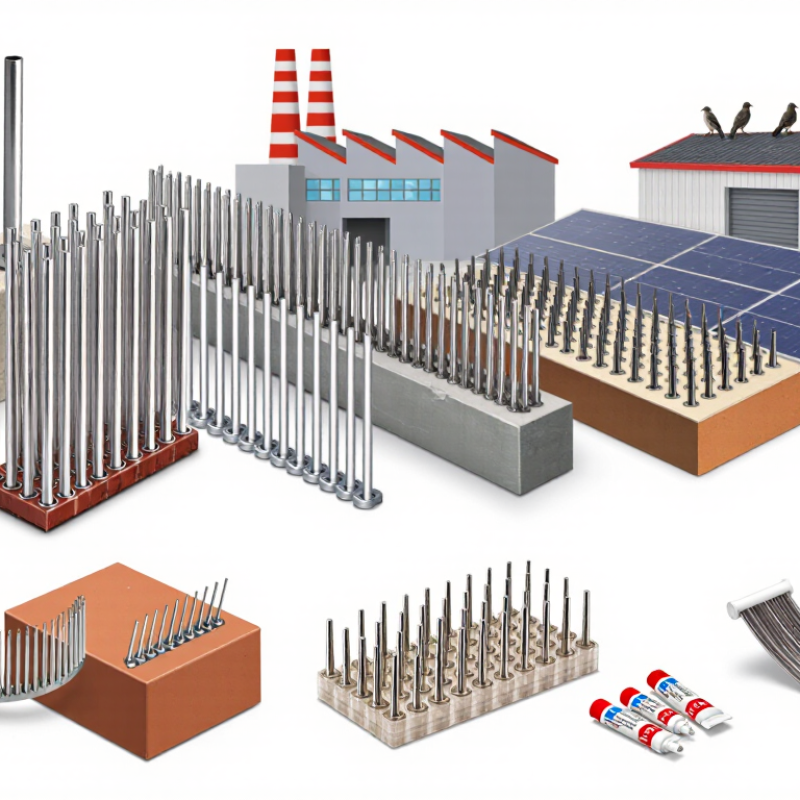
Choosing the best Bird Control Spikes from China requires more than comparing prices or product photos. A reliable decision begins with the site itself. Roof edges, warehouse beams, signs, ledges, and solar panels create different bird-perching problems. A narrow stainless steel strip may suit a shop awning, while a wider, multi-row design may protect a factory roof. The details matter.
Chinese manufacturers offer many options, including stainless steel, polycarbonate, and mixed-material systems. Stainless steel usually provides stronger resistance against sunlight, rain, and temperature changes. Polycarbonate bases can be lighter and easier to shape around uneven surfaces. However, material names alone prove little. Buyers should check wire thickness, base flexibility, adhesive quality, packaging, and production consistency. Ask for samples.
Experience also reveals practical weaknesses. Some spikes look strong but loosen after repeated storms. Others have sharp edges, poor spacing, or bases that do not bond well to dusty concrete. These problems are easy to miss in a catalogue. A dependable supplier should provide clear specifications, installation guidance, quality records, and responsive communication. Factory audits, sample testing, and independent inspections can add confidence before a large order.
There is no single best product for every building. That conclusion is easy, but incomplete. The right Bird Control Spikes should discourage landing without creating unnecessary hazards for people, pets, or protected wildlife. Buyers should also review local building and animal-protection requirements. This guide compares Chinese products through material performance, design, installation, supplier credibility, and long-term value. It also considers a less comfortable question: is the cheapest option still economical after repairs, replacements, and failed installation?
What Are the Best Bird Control Spikes from China?
Chinese manufacturers produce several practical types of bird control spikes for commercial and residential buildings. Stainless steel spikes suit coastal areas, food facilities, and exposed rooftops. They resist corrosion and usually keep their shape under strong sunlight. Galvanized steel models cost less and work well on warehouse beams, signs, and ledges. However, damaged coating may eventually allow rust to appear.
Plastic or polycarbonate spikes offer a lighter option for tiles, narrow shelves, and decorative surfaces. Their transparent or low-visibility bases can reduce visual impact near entrances. Some factories also make mixed-material designs, combining stainless steel wires with UV-resistant plastic bases. Base width matters. A narrow base fits window ledges, while a wider base covers deep parapets more effectively.
From my experience reviewing outdoor hardware, manufacturers in China often provide flexible lengths, adjustable wire spacing, and adhesive or screw-fixed bases. Product quality depends on wire thickness, base strength, and consistent assembly. Ask for material reports, salt-spray results, UV testing, and sample inspections before placing a large order. Small details matter. I have seen attractive spikes fail because the adhesive surface was dusty or the base warped in heat. No design suits every building. Bird species, ledge depth, cleaning access, and local weather should guide the final selection.
Typical types of bird control spikes manufactured in China, compared by nominal protected width.
Single-row, double-row, triple-row, and wide-base spike systems are commonly used for ledges, signs, beams, and other architectural surfaces. Wider bases generally cover broader ledges, while stainless steel, galvanized steel, and UV-resistant polycarbonate are common material options. Dimensions shown are representative nominal widths used in standard product configurations and may vary by manufacturer.
Chinese bird spikes are best judged by materials and construction, not appearance alone. For exposed ledges, 304 stainless steel offers practical corrosion resistance. Coastal or chemically harsh sites deserve 316 stainless steel. The base should use UV-stabilized polycarbonate, with secure adhesive channels and drainage openings. Brittle plastic becomes a hidden failure point.
Construction details matter more than polished photos. Check wire diameter, weld consistency, base flexibility, and spacing. A reliable supplier should provide material certificates, batch inspection records, and salt-spray results under GB/T 10125. UV testing can reference GB/T 16422.3.
These tests do not guarantee field life, but they expose weak production control. Some suppliers provide only a generic “stainless steel” statement. That is not enough.
The FAA’s 2023 wildlife strike data recorded 19,367 reported wildlife strikes, showing why reliable exclusion systems deserve careful engineering. USDA Wildlife Services guidance also identifies physical exclusion as a core bird-management method.
Spikes should cover landing edges continuously, while avoiding sharp gaps near corners and expansion joints. Installation surfaces must be clean, dry, and structurally sound. Adhesive alone may fail under thermal movement. Mechanical fixing is often wiser.
No spike system is perfect. Poor spacing can leave feeding pockets, and excessive height can collect leaves.
I would request samples, inspect welds by hand, and test adhesion on the actual substrate before ordering large quantities.
What Are the Best Bird Control Spikes from China?
Choosing bird control spikes from China is less about origin than surface fit. The FAA’s 2023 Wildlife Strike Database recorded more than 19,000 reported wildlife strikes involving U.S. civil aviation. That figure supports prevention, but spikes are not suitable everywhere. BirdLife International’s State of the World’s Birds 2022 also reported that 49% of bird species are declining. A responsible system should deter landing, not trap or injure birds.
For wide, straight concrete ledges, use stainless-steel spikes with a stable base and closely spaced wires. Concrete usually accepts mechanical fasteners well, especially where wind and cleaning are frequent. On painted metal or glass, a UV-resistant polycarbonate base with compatible outdoor adhesive may reduce drilling damage. The surface must be dry, clean, and free from loose coatings. Adhesive alone can fail during freeze-thaw cycles or heavy rain. It happens.
Tile roofs need flexible mounting and careful placement near ridges. Avoid blocking water channels. For narrow pipes, signs, and curved beams, standard wide strips may leave landing gaps; narrower modules or a different exclusion method may work better. Solar panels require extra caution because access, drainage, and maintenance paths must remain clear. I would request material certificates, UV-aging evidence, salt-spray results, and installation instructions before purchasing. A site audit can still miss seasonal bird behavior, so monitor the ledge after installation and adjust spacing when evidence shows a problem.
| Bird Control Spike Type | Typical Spike Material | Recommended Surface | Common Product Width | Typical Installation Method | Weather and UV Performance | Suitable Bird Pressure | Main Advantages | Important Selection Considerations |
|---|---|---|---|---|---|---|---|---|
| Stainless Steel Narrow-Base Spikes | 304 stainless steel wire with a UV-stable polycarbonate or stainless steel base | Window ledges, narrow masonry sills, sign edges, and slim architectural projections | Approximately 50–100 mm | Exterior-grade adhesive, screws, or a combination of both | Very good corrosion resistance and long-term outdoor durability; 316 stainless steel is preferable in coastal or high-salt environments | Small to medium birds, including sparrows, starlings, and pigeons | Compact profile, discreet appearance, and effective coverage where space is limited | Measure the ledge carefully; narrow products may leave gaps if the surface is wider than the spike base |
| Stainless Steel Wide-Base Spikes | 304 or 316 stainless steel wires fixed to a UV-resistant plastic or metal base | Wide parapets, roof edges, warehouse beams, wall caps, and commercial building ledges | Approximately 100–200 mm | Adhesive, screws, rivets, or mechanical fasteners selected according to the substrate | Excellent outdoor performance; 316 stainless steel provides improved resistance to chloride exposure | Medium to large pigeons and heavier roosting pressure | Provides broader coverage and reduces the number of parallel rows required | Use multiple rows on very wide surfaces; keep the first row close to the outer edge without creating a hazard |
| Polycarbonate Base with Stainless Steel Spikes | UV-stabilized polycarbonate base with 304 stainless steel wires | Painted metal, coated stone, glass-adjacent ledges, and surfaces where a low-visibility solution is preferred | Approximately 100–150 mm | Neutral-cure exterior silicone or compatible construction adhesive; screws may be added where permitted | Good resistance when the plastic is UV-stabilized; avoid unverified low-grade plastic for continuous sunlight exposure | Small to medium birds and normal pigeon activity | Lightweight, less visually noticeable, and adaptable to many architectural surfaces | Check adhesive compatibility with painted or powder-coated surfaces before full installation |
| All-Metal Heavy-Duty Spikes | Stainless steel base and stainless steel spike wires | Industrial roofs, exposed parapets, loading areas, bridges, and locations with strong wind or heavy bird activity | Approximately 150–200 mm | Mechanical fastening is normally preferred; adhesive can supplement, but should not replace, secure fixing on demanding sites | Excellent mechanical strength and outdoor durability; select 316 stainless steel for marine conditions | Large pigeons, gulls, and persistent or high-pressure roosting areas | Strong construction, high resistance to impact, and dependable retention on exposed structures | Confirm the structural condition of the substrate and use corrosion-resistant fasteners compatible with the base metal |
| Flexible Strip Bird Spikes | Stainless steel wires mounted on a flexible UV-resistant polymer strip | Curved cornices, irregular stonework, rounded pipes, and surfaces with moderate changes in profile | Approximately 100–150 mm | Exterior-grade adhesive, screws, or both depending on curvature and surface condition | Good flexibility and weather resistance when manufactured with UV-stabilized polymer | Small to medium birds and uneven roosting surfaces | Conforms more easily to curved or uneven areas than rigid-base products | Do not stretch the strip during installation; excessive tension can create gaps after temperature changes |
| Low-Profile Anti-Roosting Spikes | Short stainless steel wires with a compact polymer or metal base | Residential balconies, air-conditioning ledges, small window sills, and visually sensitive locations | Approximately 50–100 mm | Exterior-grade adhesive or concealed mechanical fixing where practical | Good performance for normal weather exposure when the base is UV-resistant and properly sealed | Small birds and occasional pigeon landing | Lower visual impact and suitable for areas where a taller deterrent is undesirable | Not the first choice for heavy pigeon pressure, gulls, or very wide nesting areas |
| Roof-Tile and Ridge-Mount Spikes | Corrosion-resistant stainless steel with a shaped or adjustable mounting base | Roof tiles, ridge caps, eaves, and sloped roofing details | Approximately 100–150 mm | Roof-compatible screws, clips, brackets, or manufacturer-approved adhesive systems | Very good when fasteners and flashing details are corrosion-resistant and properly sealed | Small to medium birds, especially around roof ridges and eaves | Designed for sloped surfaces and can reduce roosting at roof junctions | Avoid drilling where it may compromise waterproofing; maintain safe access and follow roof-specific installation practice |
| Solar Panel Perimeter Spikes | UV-stabilized polymer base with stainless steel wires or a low-profile stainless steel assembly | Edges of solar panels, mounting frames, and adjacent roof sections | Approximately 100–150 mm | Solar-compatible adhesive or non-penetrating clips designed for the panel frame | Good UV performance when the base and adhesive are rated for continuous outdoor exposure | Pigeons and other birds nesting beneath or beside solar panels | Helps restrict access to panel edges without drilling into the panel or roof surface | Do not obstruct drainage, ventilation, wiring, or panel maintenance access; use a system compatible with the panel warranty |
| Adhesive-Only Bird Spikes | Stainless steel or polymer spike assembly with a broad bonding base | Glass, finished stone, painted metal, and substrates where drilling is not permitted | Approximately 100–150 mm | Prepared, clean, dry surface with a compatible exterior-grade adhesive | Dependent on adhesive quality, surface preparation, temperature range, and moisture exposure | Light to moderate bird pressure | No drilling, lower installation noise, and reduced risk of penetrating waterproof membranes | Remove dust, grease, loose coatings, and moisture; allow the adhesive to cure before exposure to wind or rain |
| Screw-Fixed Bird Spikes | Stainless steel wires with a rigid polymer or metal base | Concrete, masonry, timber, structural steel, and other sound substrates | Approximately 100–200 mm | Stainless steel screws, masonry anchors, rivets, or substrate-specific fasteners | Very reliable when fasteners are correctly selected and penetrations are sealed where necessary | Medium to heavy bird pressure and exposed locations | Strong mechanical retention and less dependence on adhesive aging | Check for hidden cables, pipes, membranes, and reinforcement before drilling; seal penetrations to prevent water ingress |
| Multi-Row Modular Spike System | Interlocking stainless steel or UV-stabilized polymer modules | Very wide ledges, large parapets, industrial roofs, and surfaces with changing widths | Modules commonly cover approximately 100–200 mm each | Adhesive, screws, or a combined fixing method; modules are installed in parallel rows as required | Good to excellent, depending on the metal grade, polymer formulation, and fixing method | Heavy pigeon or gull pressure across broad surfaces | Flexible layout, scalable coverage, and easier replacement of individual sections | Calculate the total coverage width and install enough rows to prevent birds from landing between the modules |
Choosing bird control spikes from China requires more than comparing photographs and carton prices. Installation determines whether the system works.
The FAA Wildlife Strike Database recorded more than 19,000 reported wildlife strikes at U.S. airports in 2023. This figure does not measure spike performance. It does show why exclusion planning matters near roofs, warehouses, and transport facilities. USDA APHIS guidance also recommends combining physical barriers with habitat management. Spikes should not be treated as a complete solution.
Begin with a dry, stable surface. Remove droppings, dust, grease, and loose coatings. Measure the ledge before cutting each spike strip. Leave no open gaps at corners, joints, or behind signs. For concrete and masonry, corrosion-resistant screws and suitable plugs provide dependable mechanical support. For metal or painted surfaces, a compatible outdoor adhesive can reduce drilling. Follow the adhesive supplier’s curing time, even when the surface feels dry. Curved ledges may need shorter sections. Wide ledges may need multiple rows.
Chinese-made stainless-steel or polycarbonate spikes can suit different exposure levels. Check material thickness, UV resistance, drainage, and fastener quality before installation. A 2024 technical review from the British Pest Control Association stresses inspection and maintenance as part of responsible bird management.
Inspect after heavy rain, freezing weather, and nesting-season activity. Replace loose sections promptly. In practice, installers sometimes place spikes too close to the edge. That mistake can create weak adhesion and leave landing space. It deserves a second look. Wooden ledges, unstable render, and heavily contaminated surfaces may require repairs before any spike system is installed.
What Are the Best Bird Control Spikes from China?
Maintenance, Safety, and Performance Evaluation of Bird Spikes
The best bird control spikes are not judged by appearance alone. I look for UV-resistant polycarbonate or stainless steel, secure bases, and consistent spacing. During site checks, loose adhesive often causes early failure on dusty stone or wet metal. Clean the surface thoroughly, then test a small section before full installation. A narrow gap can still invite pigeons to land. That detail is easy to miss.
Maintenance should be practical and safe. Inspect spikes after storms, especially on rooftops, signs, and narrow ledges. Remove feathers, leaves, and nesting debris without bending the wires. Workers need stable access and suitable protective equipment. Never place spikes over unstable edges or drainage outlets. They should discourage perching, not create sharp hazards for people or trapped wildlife. Some installations need adjustment. That is normal.
Performance evaluation should include several weeks of observation, not one quiet afternoon. Check landing attempts, droppings, displaced parts, and nearby alternative perches. Effective spikes redirect birds away from the protected surface. They do not solve every attraction, such as food waste or standing water. In coastal areas, corrosion can appear sooner than expected, even with stainless steel components. I would also question unusually low prices when the base feels brittle or the wires vary in height. A better assessment combines material records, installation quality, maintenance access, and real site behavior.
| Cookie | Duration | Description |
|---|---|---|
| cookielawinfo-checkbox-analytics | 11 months | This cookie is set by GDPR Cookie Consent plugin. The cookie is used to store the user consent for the cookies in the category "Analytics". |
| cookielawinfo-checkbox-functional | 11 months | The cookie is set by GDPR cookie consent to record the user consent for the cookies in the category "Functional". |
| cookielawinfo-checkbox-necessary | 11 months | This cookie is set by GDPR Cookie Consent plugin. The cookies is used to store the user consent for the cookies in the category "Necessary". |
| cookielawinfo-checkbox-others | 11 months | This cookie is set by GDPR Cookie Consent plugin. The cookie is used to store the user consent for the cookies in the category "Other. |
| cookielawinfo-checkbox-performance | 11 months | This cookie is set by GDPR Cookie Consent plugin. The cookie is used to store the user consent for the cookies in the category "Performance". |
| viewed_cookie_policy | 11 months | The cookie is set by the GDPR Cookie Consent plugin and is used to store whether or not user has consented to the use of cookies. It does not store any personal data. |