Best Exterior Wall Cladding Panels to Buy in 2026?
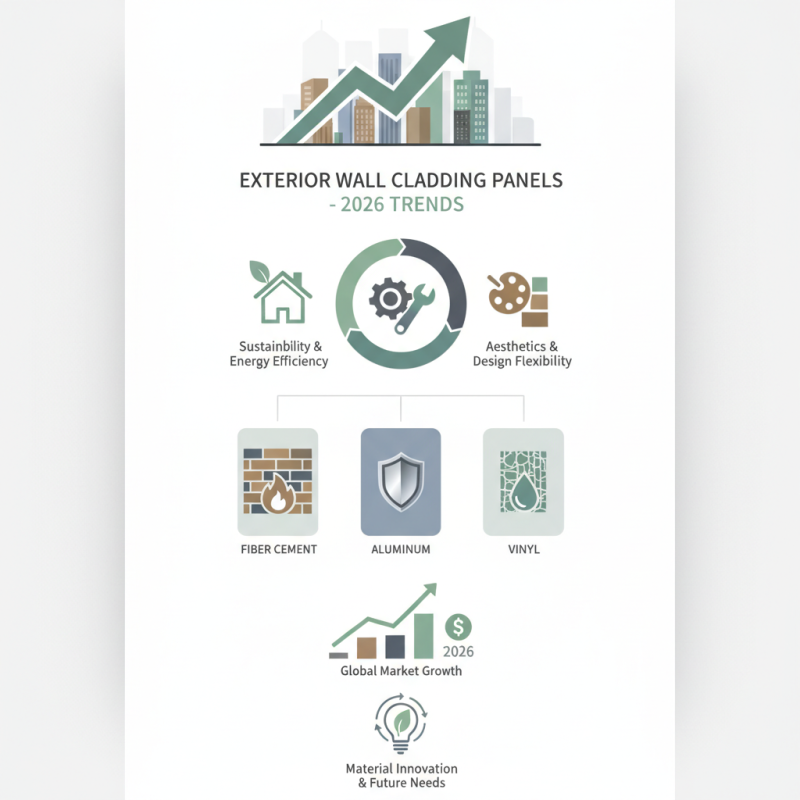
As we approach 2026, the demand for high-quality Exterior Wall Cladding Panels continues to rise. According to a recent industry report from Research and Markets, the global cladding market is projected to reach $350 billion by 2026, driven by urbanization and a focus on energy efficiency. Homeowners and builders seek materials that not only enhance aesthetics but also provide durability and insulation.
In this context, choosing the right Exterior Wall Cladding Panels is critical. Factors such as weather resistance, maintenance requirements, and environmental impact play significant roles in decision-making. Some popular materials include fiber cement, aluminum, and vinyl, each with its own pros and cons. Research shows that while fiber cement panels offer excellent fire resistance, they may require more maintenance over time.
There's room for improvement in material innovation. Products that balance aesthetics with sustainability are becoming essential. Many current options lack optimal thermal performance or have limited design flexibility. As we anticipate the best exterior wall cladding panels in 2026, it is essential to reflect on these evolving needs and challenges in the industry.
Best Exterior Wall Cladding Panels: An Overview of Material Types
When choosing exterior wall cladding panels, various material types stand out. Wood, for instance, offers natural beauty but requires regular maintenance. It's prone to rot and pests, which may lead to costly repairs. Consideration for local climate is essential. In some regions, wood may not be the best choice, given the potential for weather damage.
Metal cladding is another popular option. Steel and aluminum bring durability and a modern appearance. They resist fire and insects, adding to their appeal. However, metal can dent easily and may require insulation to combat heat transfer. It's important to weigh these factors against your project’s needs.
Vinyl cladding provides a low-maintenance alternative. It’s available in various colors and styles, adapting to many architectural designs. Yet, vinyl can warp or fade over time, which detracts from its longevity. Assessing these strengths and weaknesses helps ensure you make the right investment for your home.
Key Factors for Selecting Cladding Panels: Durability, Insulation, and Cost
When considering wall cladding panels for 2026, durability is a crucial factor. According to the Global Cladding Market Report 2023, performance life spans for various materials can vary significantly. Some panels last over 50 years, while others may need replacement in only 10 to 15 years. Choosing a material that can withstand extreme weather conditions is vital. Weather-resistant options, like fiber cement and composite materials, are gaining popularity. These materials show resistance to rot, pests, and UV rays.
Insulation is another key consideration. Effective cladding systems can enhance energy efficiency dramatically. A recent study by the Energy Efficiency Institute noted that homes with superior cladding can reduce energy bills by up to 30%. This leads to significant long-term savings. Moreover, insulation plays a role in maintaining indoor comfort, which is crucial during seasonal transitions.
Cost is often the deciding factor. The trend indicates that initial investment varies widely across materials. High-performance panels may have higher upfront costs but yield savings over time. Industry reports suggest that low-cost options could lead to more frequent repairs. Homeowners must weigh these factors carefully. Balancing durability, insulation, and cost will lead to better financial decisions in the long run. Selecting the right cladding material is not just about aesthetics; it's an investment in the future.
Market Trends in Exterior Wall Cladding: Predictions for 2026
As we move towards 2026, the exterior wall cladding market is set to experience transformative changes. Recent industry reports indicate that the global demand for durable and aesthetic cladding solutions is expected to grow by over 8% annually. This surge reflects a heightened focus on sustainability and energy efficiency within the construction sector. In particular, materials such as fiber cement and metal composites are gaining traction due to their longevity and low maintenance needs.
Design trends show that homeowners prefer varied textures and colors, pushing manufacturers to innovate continuously. However, quality control remains a concern as new players enter the market. Ensuring compliance with safety standards and building codes is critical but often overlooked. Fluctuations in material costs also pose challenges, making budgeting a complex task for contractors and developers.
Tip: When selecting cladding, consider materials that provide insulation benefits. This decision can lead to long-term energy savings. Examine local climate conditions to choose the best cladding options.
Market research indicates that technology integration in wall cladding design is on the rise. Smart materials that adapt to environmental changes are emerging. Still, some products may not meet anticipated performance metrics. Buyers should conduct thorough due diligence before making substantial investments.
Tip: Always request samples to assess physical attributes and durability. This helps ensure the material meets your aesthetic and functional requirements.
Top Manufacturers of Exterior Wall Cladding: A Comparative Analysis
When considering exterior wall cladding, understanding the differences among manufacturers can be crucial. Not all cladding panels are created equal, and it is essential to evaluate their materials and performance. Many companies offer innovative solutions, including wood, metal, and composite materials. Each type has its unique pros and cons. For instance, wood adds warmth but requires regular maintenance.
Some manufacturers focus on sustainability. They provide eco-friendly options that reduce environmental impact. These panels may use recycled materials or come with energy-efficient properties. It's also vital to examine durability. Panels exposed to harsh weather conditions need robust designs to prevent warping or cracking. Failure in weather resistance can lead to costly repairs and reduced lifespan.
Comparing warranty offerings is another area for scrutiny. Extended warranties often signify a manufacturer’s confidence in their product. However, warranties can be complicated. They sometimes exclude common issues that homeowners face. Prospective buyers should clarify these terms before making a purchase. Overall, a well-informed choice requires careful consideration of multiple factors, not just aesthetic preference.
Best Exterior Wall Cladding Panels to Buy in 2026
Sustainability in Cladding Materials: Eco-Friendly Options for 2026
When selecting exterior wall cladding panels in 2026, sustainability is a key factor. Eco-friendly materials not only benefit the environment but also enhance the aesthetic appeal of any building. Options like reclaimed wood or fiber cement are gaining popularity. These materials are durable, moisture-resistant, and reduce waste. They help in lowering the carbon footprint of construction projects.
Choosing the right cladding can be overwhelming. Here are some quick tips to consider:
- Always check for certifications that prove sustainability.
- Explore local suppliers who offer recycled or repurposed materials.
- Think about the long-term maintenance needs of your chosen cladding.
It’s important to note that not all eco-friendly options perform equally. Some might require more upkeep or have limited color choices. This could impact your design vision. Balancing aesthetics with sustainability may involve tough decisions. Investing in high-quality eco-materials can save costs over time, even if the initial expense is higher. Every choice impacts not just the structure but the planet.