Best Green Sliding Window Options for Your Home?
In today's eco-conscious world, choosing the right windows is crucial. Green Sliding Windows are an excellent option for sustainable homes. According to the U.S. Department of Energy, windows account for 25-30% of residential heating and cooling costs. This highlights the importance of energy-efficient designs.
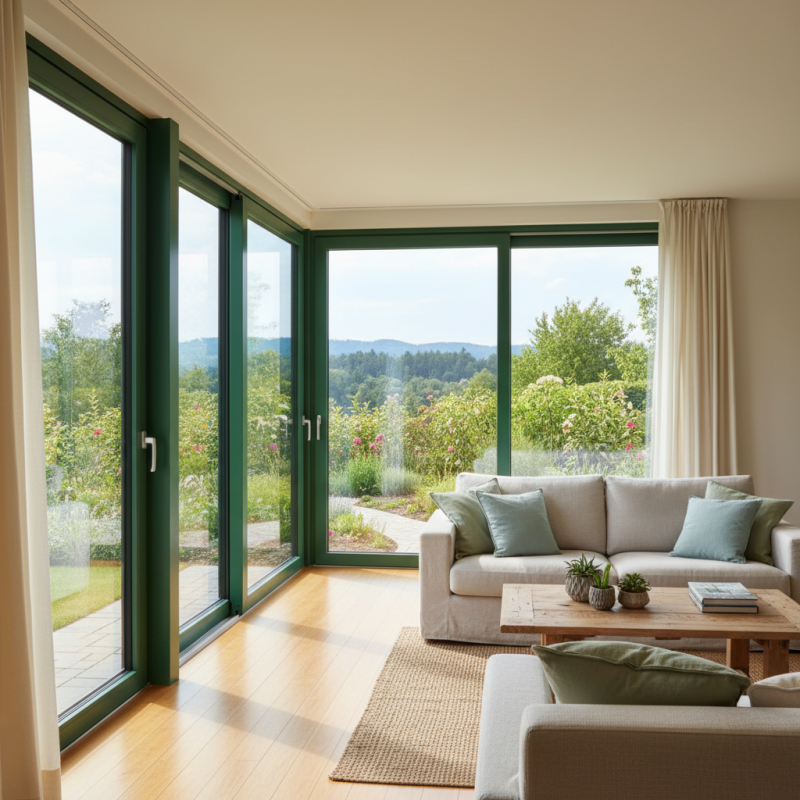
Green sliding windows not only reduce energy expenses but also offer aesthetic appeal. They maximize natural light, enhancing indoor environments. A report from the National Renewable Energy Laboratory states that high-performance windows can cut energy bills by up to 15%. This gives homeowners a significant incentive to upgrade.
However, not all green sliding windows are created equal. Some may lack proper insulation or durability. It's essential to conduct thorough research before choosing. The wrong selection can lead to inefficiencies and dissatisfaction. Reflecting on these factors can help one make a more informed decision.
Top Benefits of Green Sliding Windows for Homes
Green sliding windows are becoming popular in modern homes. They offer numerous benefits that cannot be ignored. Studies show that energy-efficient windows can reduce energy bills by 10-25%. This reduction is significant, especially for homeowners looking to cut costs.
One of the core advantages of green sliding windows is their sustainability. They are often made from recyclable materials. This practice minimizes waste and reduces the ecological footprint. Data from the U.S. Department of Energy indicates that replacing old windows with energy-efficient models can save up to 12% on heating and cooling costs.
Additionally, green sliding windows enhance natural light in living spaces. Improved daylighting can boost mood and productivity. However, it is important to consider that not every installation will achieve these benefits. Depending on the orientation of your home, some windows might underperform. Careful assessment is necessary to ensure the best outcomes.
Best Green Sliding Window Options for Your Home
| Feature | Description | Benefit | Energy Efficiency Rating |
| Material | Made from recycled vinyl and non-toxic materials | Eco-friendly choice that reduces environmental impact | UP to 30% more energy-efficient than traditional windows |
| UV Protection | Low-emissivity glass that blocks harmful UV rays | Protects furniture and interiors from fading | Solar Heat Gain Coefficient: 0.22 |
| Durability | Resistant to rot, corrosion, and warping | Long-lasting with minimal maintenance required | N/A |
| Insulation | Triple-pane glass with argon gas filling | Improves thermal performance and comfort | R-value: 5.0 |
| Design Options | Wide range of styles and colors available | Enhances the aesthetic appeal of the home | N/A |
| Recyclability | Fully recyclable at the end of the life cycle | Contributes to resource efficiency and sustainability | N/A |
Types of Green Materials Used in Sliding Windows
When choosing sliding windows for your home, green materials play a crucial role. Many people are now opting for eco-friendly options that promote sustainability. Vinyl, reclaimed wood, and aluminum are popular choices. Each material offers different benefits in terms of energy efficiency and durability.
Vinyl windows are energy efficient. They come in various colors and styles, making them visually appealing. However, they may not always be biodegradable. Reclaimed wood has a rustic charm. It adds character but can be challenging to maintain. Wood needs treatment against moisture and pests. Aluminum frames are robust and lightweight. They can be recycled but may conduct heat poorly.
Choosing the right material often requires thoughtful consideration. It's important to weigh aesthetics against functionality. Some materials might suit your design but lack sustainability. Others may be eco-friendly yet not fit your home’s style. Carefully thinking through these options will ensure a balance between beauty and green living.
Best Green Sliding Window Options for Your Home
This chart illustrates the sustainability ratings of various green materials commonly used in sliding windows. Higher ratings indicate better environmental impact and resource efficiency.
Energy Efficiency of Green Sliding Windows Explained
Green sliding windows offer a practical solution for homeowners seeking energy efficiency. These windows typically feature advanced insulating materials. They help reduce heat loss during cold months and decrease heat gain in summer, ultimately lowering energy costs. The designs allow natural light to enter, creating a bright, welcoming atmosphere. However, not all green windows perform equally.
Installation plays a crucial role in energy efficiency. Poorly fitted windows can lead to drafts and increased energy consumption. Even the best materials have limitations if not installed properly. Homeowners should consider seeking professional help to ensure a perfect fit. Additionally, regular maintenance is essential. Cleaning and inspecting for wear can enhance the longevity and efficiency of these windows.
Choosing the right glazing options is vital. Double or triple glazing can significantly improve thermal performance. However, they may not suit everyone’s budget. Understanding your specific needs is important. Energy efficiency ratings can be confusing and vary widely. Comparing them carefully can save you from making uninformed decisions.
Installation and Maintenance Tips for Green Sliding Windows
Green sliding windows can enhance your home’s aesthetic and energy efficiency. Installation requires careful planning. Make sure to measure your window frame accurately. Avoid common mistakes, like not leveling the frame properly. An uneven installation can lead to gaps and air leaks.
When it comes to maintenance, regular cleaning is vital. Use a mild detergent and soft cloth to avoid scratches. Pay attention to the tracks, as dirt can accumulate there. A clean track allows smooth operation. Consider lubricating the moving parts annually to reduce friction. It’s a small step that can prevent bigger issues later.
Remember, even the best installations may face challenges. Be aware of condensation issues during colder months. If you notice moisture build-up, reassess your sealing. Gaps can lead to long-term damage. Keeping a close eye on these details ensures your green sliding windows remain a valuable addition to your home.
Comparing Green Sliding Windows: Brands and Prices
Choosing the right green sliding windows for your home can be challenging. Various factors come into play, including style, energy efficiency, and price. An average green sliding window costs around $400 to $700. Some options may be more affordable, while high-end products can exceed $1,000.
When comparing options, look for features that fit your needs. Windows with low-E glass can enhance energy efficiency. Some materials are more durable and provide better insulation. You might find options made from vinyl or wood that offer both aesthetic appeal and functionality. However, your choice must align with your home's overall style.
Also, consider installation costs that may add to the total price. Sometimes, lower-priced windows can require more maintenance. On the other hand, premium choices might offer better warranties. It's easy to focus on what looks good without considering potential long-term implications. Evaluating each option carefully is essential to make a sustainable decision. Careful thought can prevent costly errors in the future.