Best Smart Condensate Pump Solutions for Efficient Heating Systems?
Heating systems are crucial for comfort and efficiency in various environments. The rise in energy costs and environmental concerns demands innovative solutions. The Smart Condensate Pump emerges as a vital component in this landscape, enhancing the performance of heating systems.
According to a report by the U.S. Department of Energy (DOE), heating accounts for nearly 42% of energy consumption in residential homes. Efficient condensate management is essential for improving heating system efficiency. The Smart Condensate Pump optimizes the removal of condensate, reducing the risk of water damage and improving system reliability. Moreover, these pumps can be integrated with modern heating technologies, contributing to overall energy savings.
Efficiency is not without its challenges. While Smart Condensate Pumps offer advantages, proper selection and installation are crucial. Inefficiencies and installation errors can lead to complications, affecting performance and longevity. As the industry evolves, staying informed about best practices and potential pitfalls is essential for maximum efficacy.
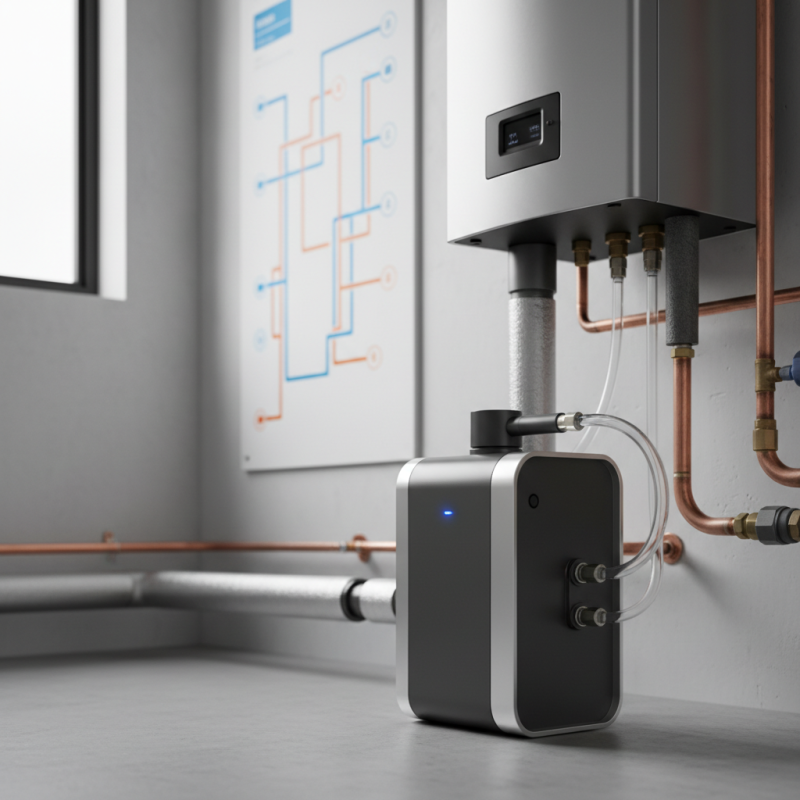
Understanding Smart Condensate Pumps and Their Role in Heating Systems
Smart condensate pumps play a crucial role in modern heating systems. These pumps efficiently remove condensate from boilers, furnaces, and air conditioning units. By doing so, they prevent water damage and improve air quality. The need for such pumps has increased as energy efficiency becomes a priority in heating systems.
Understanding how smart condensate pumps work is essential for effective system management. They use sensors to detect water levels and pump out condensate automatically. This automation reduces the risk of overflow and system shutdowns. Homeowners often underestimate the importance of regular maintenance for these pumps. Neglecting routine checks can lead to inefficiencies and even pump failure.
Smart condensate pumps also offer advanced features like remote monitoring. This allows users to track performance and receive alerts on potential issues. However, technology can be unpredictable at times. Not all smart pumps communicate seamlessly with existing systems. This aspect highlights the need for careful integration and planning.
Key Features to Look for in Efficient Smart Condensate Pumps
When selecting efficient smart condensate pumps, several key features are vital. A high-performance pump minimizes energy waste and maximizes system efficiency. Recent reports indicate that energy-efficient pumps can reduce operational costs by up to 30%. Features like variable speed operation can dramatically enhance performance. These pumps adjust their output based on real-time system demands, leading to lower electricity use.
Monitoring capabilities are another important feature. A pump with smart connectivity can send alerts for maintenance needs or performance issues. The ability to track performance data over time helps facility managers optimize heating systems further. Reports show that predictive maintenance can reduce downtime by 25%. This proactive approach can prevent unnecessary repairs and extend equipment lifespan.
Size and noise level matter too. Compact designs fit various installations without sacrificing performance. Additionally, quieter models contribute to better working environments. For efficient heating systems, pay attention to these features. Evaluate the benefits versus costs carefully. Sometimes, the most expensive option isn’t the best. Seeking expert insights can illuminate choices here.
Top Brands and Models of Smart Condensate Pumps for Home Use
When it comes to home heating systems, smart condensate pumps can significantly enhance efficiency. According to industry reports, nearly 30% of heating-related issues arise from improper condensate management. An effective condensate pump ensures that excess water is removed efficiently, preventing potential damage to heating elements and surrounding areas.
Top models in the market focus on advanced features. Many incorporate smart sensors, enabling automatic operation based on water levels. These sensors can reduce energy usage by up to 20%, creating a more sustainable home environment. Such enhancements not only support energy efficiency but also extend the lifespan of the heating system.
Professional reviews suggest that homeowners should consider each model's flow rate and tank capacity before making a decision. It’s also crucial to evaluate installation ease versus long-term maintenance needs. Some models may appear attractive initially but have hidden complexities during setup or upkeep. Balancing features with reliability is essential for optimal performance in a heating system.
Installation and Maintenance Tips for Smart Condensate Pumps
When it comes to installing smart condensate pumps, proper setup is essential. Begin by choosing a location that is easily accessible. This will streamline troubleshooting and maintenance tasks. Ensure that the pump is level for optimal performance. Using rigid PVC piping can provide durability. Avoid sharp turns in the piping, as they can create clogs.
Regular maintenance checks will help ensure the pump operates efficiently. Inspect the pump for debris or clogs that might hinder performance. This should be done at least twice a year. Clean the float switch and check for any signs of wear. It’s crucial to have a backup plan in place. If the primary pump fails, a secondary system can prevent water damage.
Monitoring the pump's performance is also vital. Sounding alarms indicate potential issues. However, not all pumps come with alerts. Recognizing early signs of malfunction can save time and money. Keep an eye on unusual noises or changes in water drainage. These can often indicate the need for further investigation or repairs. By being proactive, you'll extend the lifespan of your heating system.
Best Smart Condensate Pump Solutions for Efficient Heating Systems
| Pump Model | Max Flow Rate (GPH) | Lift Height (ft) | Power Consumption (W) | Noise Level (dB) | Features |
| Model A | 20 | 15 | 50 | 45 | Smart Control, Auto Stop |
| Model B | 30 | 18 | 60 | 50 | Wi-Fi Enabled, Alarms |
| Model C | 25 | 12 | 40 | 55 | Remote Monitoring, Compact Design |
| Model D | 15 | 10 | 35 | 40 | Energy Efficient, Easy Installation |
Comparative Analysis of Smart Condensate Pumps vs. Traditional Models
When comparing smart condensate pumps to traditional models, it is crucial to consider various factors. Smart condensate pumps utilize advanced technology, often incorporating sensors that monitor water levels and system performance. This feature allows for automatic adjustments, enhancing efficiency in heating systems. They can detect issues early, which minimizes potential damage and costly repairs.
Traditional condensate pumps, while reliable, lack these intelligent features. They operate in a more manual manner, requiring constant monitoring. Users may find themselves dealing with overflow situations more frequently. This can lead to water damage, increased maintenance, and energy inefficiency. Users must regularly check these systems to ensure they function properly.
In terms of installation, smart pumps vary in complexity. Some require professional installation, while others are user-friendly. This flexibility can be appealing. However, it might also present challenges for those unfamiliar with technology. It’s worth considering the learning curve associated with adopting smart technology. The decision ultimately hinges on balancing efficiency with ease of use.