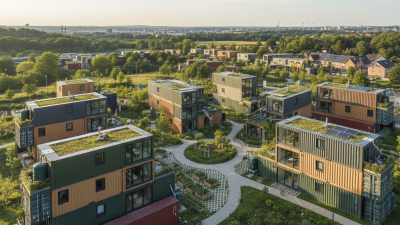
Why Choose Cargo Container Houses for Affordable Sustainable Living
As the global housing crisis intensifies and sustainable living becomes a priority, innovative solutions such as cargo container houses are gaining significant attention. According to a report from the United Nations, more than 1.6 billion people currently lack adequate housing, highlighting an urgent need for affordable and efficient alternatives. Cargo container houses, repurposed from retired shipping containers, offer a unique and environmentally responsible solution that aligns with modern sustainability goals.
Incorporating eco-friendly practices, cargo container houses utilize recycled materials and reduce waste in construction. A study by the World Economic Forum indicates that the construction industry accounts for approximately 39% of global carbon emissions, making the shift toward sustainable housing solutions pivotal in combating climate change. With an average cost of 20-30% lower than traditional homes, cargo container houses not only alleviate housing costs but also minimize the environmental impact of new construction, promoting a more sustainable way of living.
The versatility of cargo container houses further enhances their appeal, as they can be customized to meet various needs and preferences while being rapidly assembled. This method of housing construction is particularly vital in urban areas, where land is scarce, and the demand for affordable housing is on the rise. Embracing cargo container houses could lead to a transformative shift towards a more sustainable and economical approach to living, addressing both housing shortages and environmental concerns.
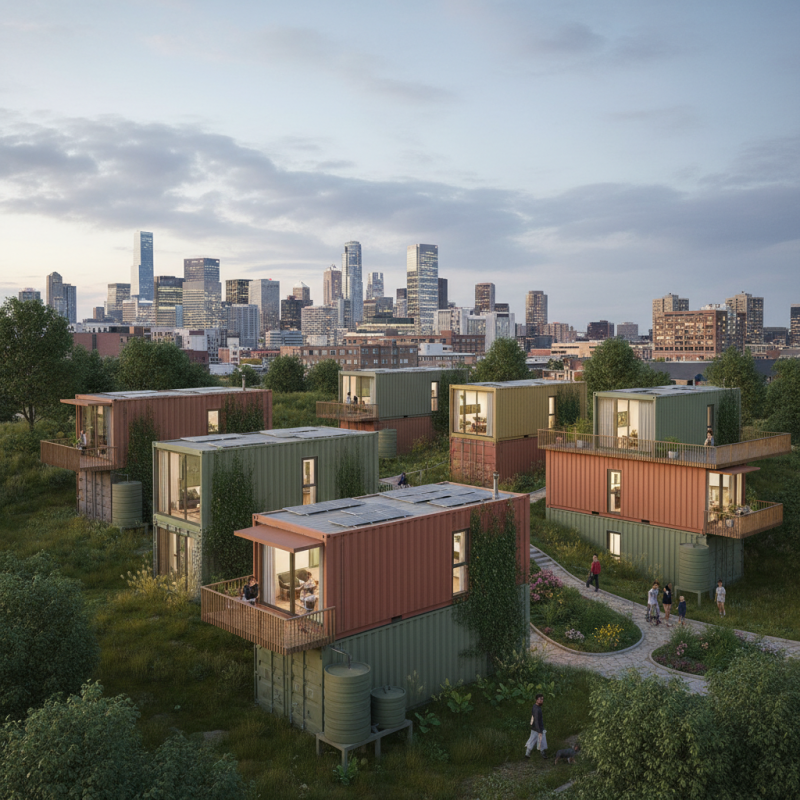
Advantages of Cargo Container Houses for Affordable Living
The advantages of cargo container houses for affordable living are numerous, making them an appealing choice for those seeking a budget-friendly and sustainable housing solution. Firstly, these structures are inherently cost-effective due to their recycled nature. Utilizing repurposed shipping containers significantly lowers construction and material costs, allowing individuals and families to save money while still achieving a modern living space. Additionally, the speed of construction is unmatched; the modular design of containers enables rapid assembly, making it possible to move in within a fraction of the time required for traditional homes.
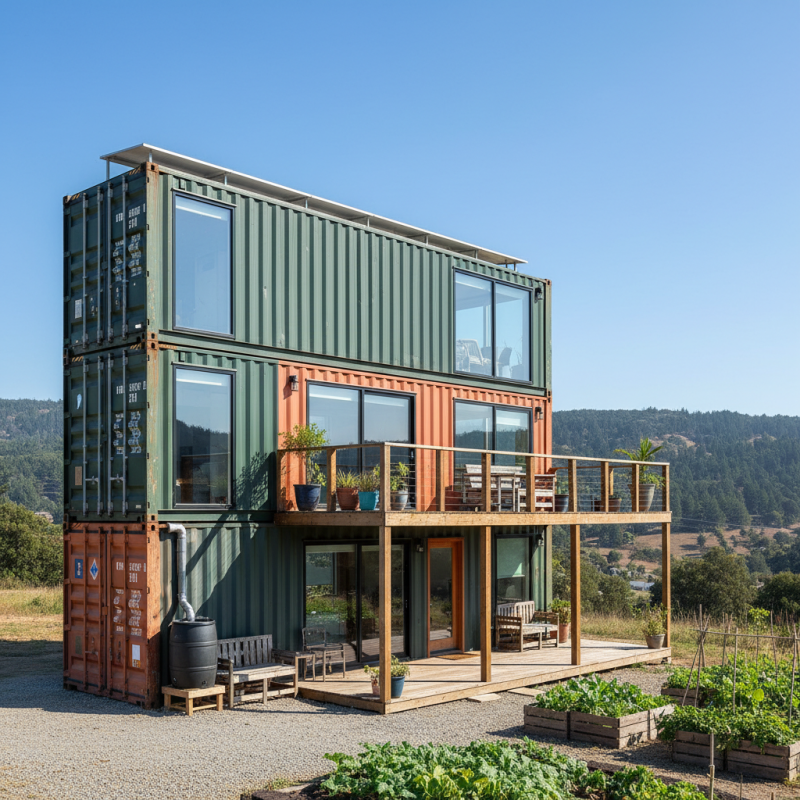
Moreover, cargo container houses are incredibly versatile and customizable. Their unique dimensions provide endless possibilities for design, allowing homeowners to create living spaces that reflect their personal style and needs. The sturdy steel construction ensures durability, paving the way for a longer lifespan compared to conventional building materials. In terms of sustainability, these houses can be equipped with green technologies like solar panels and rainwater harvesting systems, reducing their overall carbon footprint while offering a more self-sufficient lifestyle. As urban areas become increasingly dense, opting for a cargo container house presents a smart and eco-friendly alternative to conventional housing.
Why Choose Cargo Container Houses for Affordable Sustainable Living - Advantages of Cargo Container Houses for Affordable Living
| Advantage |
Description |
Cost Efficiency |
Sustainability |
| Low Construction Cost |
Using cargo containers drastically reduces material costs. |
$10,000 - $50,000 |
Reuses existing materials, reducing waste. |
| Quick Assembly |
Container homes can be built in a fraction of the time compared to traditional homes. |
40% faster |
Minimal environmental impact during construction. |
| Durability |
Cargo containers are designed to withstand extreme weather conditions. |
Long-term savings on repairs |
Long lifecycle; reduces resource consumption. |
| Mobility |
They can be relocated as needed. |
Flexible living solutions |
Encourages minimalism and efficient land use. |
| Customizability |
Easy to modify and design according to preferences. |
Varies widely based on design |
Potential for eco-friendly designs and materials. |
Sustainability Features of Cargo Container Housing
Cargo container houses have emerged as a popular choice for those seeking affordable and sustainable living solutions. One of the key sustainability features of cargo container housing is the significant reduction in waste. According to a study by the World Economic Forum, approximately 10% of the world's solid waste comes from construction materials. By repurposing used shipping containers, we can divert these structures from landfills and reduce the demand for new building materials, thereby minimizing the environmental impact associated with traditional construction practices.
Additionally, container homes offer excellent energy efficiency. Research conducted by the Department of Energy indicates that well-insulated buildings can significantly lower energy consumption for heating and cooling. When properly insulated, shipping container homes can maintain a stable internal temperature, reducing reliance on heating and air conditioning systems. This not only leads to a smaller carbon footprint but also lowers utility bills for homeowners, making container housing an attractive option for those who prioritize both economic and environmental sustainability.
Furthermore, the modular nature of cargo containers allows for flexibility in design, enabling builders to create energy-efficient structures tailored to their specific needs. According to a report from the Global Alliance for Buildings and Construction, buildings account for nearly 39% of global carbon emissions. Utilizing cargo containers as a building material can substantially decrease the overall emissions associated with residential construction, making it a strategic choice for environmentally-conscious individuals looking to build a sustainable future.
Design Flexibility and Customization Options
When considering affordable sustainable living, cargo container houses offer a unique advantage in design flexibility and customization options. These structures can be easily modified to meet individual needs, allowing homeowners to create a space that reflects their personal style and functional requirements. According to a report by the Container Housing Alliance, approximately 70% of container home owners report satisfaction with their ability to customize layouts, incorporating elements such as large windows, eco-friendly materials, and innovative storage solutions.
The versatility of cargo containers also extends to their architectural potential. Each unit can be stacked, fused, or arranged in various configurations, providing homeowners with the freedom to create multi-level living spaces or open-concept designs. A study by the Institute for Sustainable Housing indicates that container homes can achieve a 30-50% reduction in construction time compared to traditional building methods, which not only allows for quicker occupancy but also ensures that custom designs can be realized without significant delays. As sustainability becomes increasingly important in housing development, the ability to adapt these structures to incorporate green technologies further enhances their appeal. With options for solar panels, rainwater harvesting, and energy-efficient insulation, cargo container houses stand out as a practical choice for modern living.
Cost Comparison: Container Homes vs. Traditional Housing
When evaluating the cost comparison between cargo container homes and traditional housing, several factors come into play. Cargo container houses generally present a lower upfront investment compared to conventional homes. The purchase price of used shipping containers can be significantly less than that of traditional building materials and structures, with many containers available at affordable rates globally.
Additionally, the modular nature of container homes allows for quicker assembly, which can reduce labor costs associated with construction.
Beyond initial costs, container homes also offer potential savings in terms of energy efficiency and maintenance. The compact design and innovative insulation options can lead to lower utility bills, especially in comparison to larger traditional homes that require more energy for heating and cooling. Furthermore, with sustainability being a primary focus, container homes often leverage repurposed materials and are designed to minimize ecological footprints, which appeals to those who wish to save on long-term environmental costs.
Challenges and Solutions in Cargo Container Home Construction
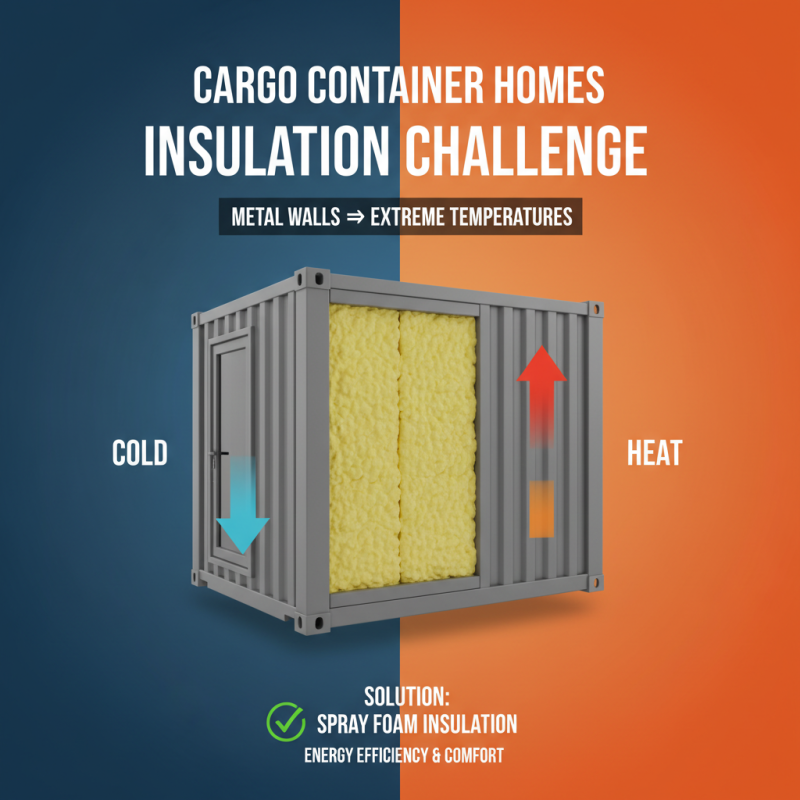
Constructing cargo container homes presents unique challenges that require careful consideration, but with the right approach, these hurdles can be overcome. One significant challenge is insulation. Cargo containers are made of metal, which can lead to extreme temperature fluctuations. To combat this, it's essential to invest in high-quality insulation materials. Spray foam insulation is often recommended due to its effectiveness and ability to fill gaps, creating a temperature-controlled environment that enhances comfort and energy efficiency.
Another notable challenge is ventilation. Containers are sealed and can trap heat, moisture, and air pollutants. Implementing an effective ventilation system is crucial for maintaining indoor air quality. Introducing windows and strategically placed vents can create cross-ventilation, while mechanical systems like exhaust fans can further improve air circulation. It’s vital to plan these aspects during the design phase to ensure a livable environment.
**Tips:** When planning your cargo container home, always prioritize proper planning and design. Consider working with architects familiar with container structures to ensure compliance with local building codes. Additionally, explore sustainable practices such as using reclaimed materials and integrating renewable energy sources, which can significantly enhance the sustainability of your home while addressing construction challenges effectively.