Why Choose Modular Container Homes for Sustainable Living?
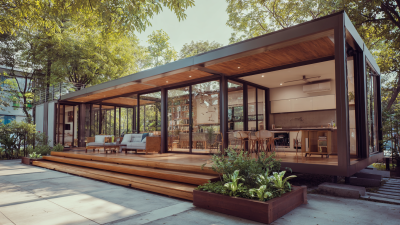
In recent years, modular container homes have gained significant attention as a solution for sustainable living. According to architectural expert Sarah Thompson, “Modular container homes not only reduce waste but also offer flexible and efficient living spaces.” This innovative approach to housing uses repurposed shipping containers, minimizing the need for new materials.
The modular design allows for easy customization and expansion. Homeowners can create unique layouts to suit their lifestyles while reducing their carbon footprint. However, there are challenges that come with this method. In some regions, zoning laws may impose restrictions on the use of shipping containers for residential purposes.
Moreover, the quality of container homes can vary widely. It is crucial to work with experienced builders to ensure durability and comfort. As interest in modular container homes grows, more resources and communities are emerging to support sustainable living. The balance between innovation and regulation remains an ongoing conversation in this evolving industry.
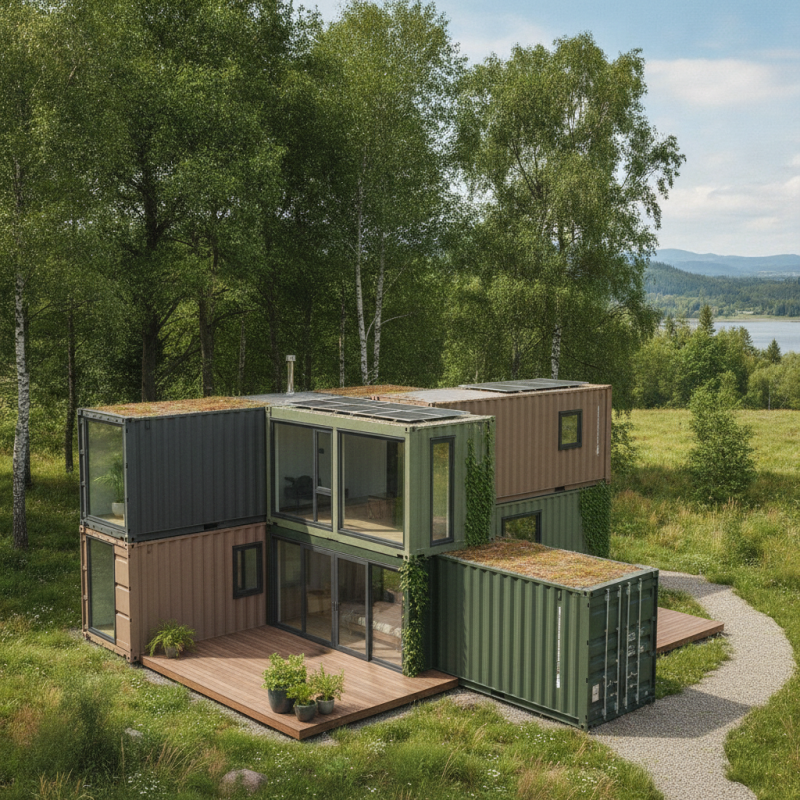
Benefits of Modular Container Homes in Eco-Friendly Construction
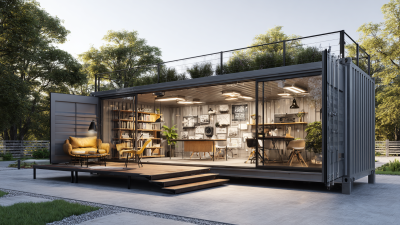
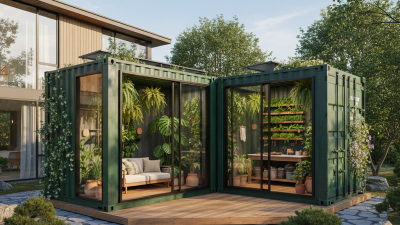
Modular container homes are gaining popularity for sustainable living. They offer significant benefits in eco-friendly construction. Builders can repurpose shipping containers into stylish, affordable homes. This approach reduces waste and lowers environmental impact. Each container can be modified to fit unique needs.
Insulation and energy-efficient designs can improve comfort.
Consider using renewable materials when customizing interiors. This can enhance sustainability further. Many opt for solar panels that can provide energy independence. These homes reduce reliance on traditional power sources and lower utility bills. Accessibility to alternative energy options is a strong point.
Not all modular designs are perfect. Some may lack innovative layouts or sufficient natural light. It's essential to evaluate designs critically. Research options to ensure that your container home meets your lifestyle needs. This reflective approach can lead to better decision-making. Always stay informed about local building codes. Compliance is vital for safe, stress-free living.
Statistical Insights on the Energy Efficiency of Modular Homes
Modular container homes are gaining popularity due to their energy efficiency. Studies show that these homes often use fewer resources than traditional buildings. In fact, they can reduce energy consumption by up to 70%. This significant reduction is crucial, especially in today’s climate crisis.
The design of modular homes allows for better insulation and ventilation. This leads to a more comfortable living environment. Smart technologies can be integrated easily, optimizing energy use. Homeowners often report lower utility bills, which adds to the appeal. However, not all modular homes achieve the same efficiency. It’s essential to consider designs and materials carefully.
Potential drawbacks exist in the manufacturing process. Not every modular unit is manufactured with sustainability in mind. Some builders focus solely on cost, which can impact energy performance. Researching companies and their practices is vital. This ensures your modular home aligns with sustainable living goals.
Statistical Insights on the Energy Efficiency of Modular Container Homes
| Feature |
Modular Homes |
Traditional Homes |
| Average Energy Consumption (kWh/year) |
8,000 |
12,000 |
| Carbon Footprint (tons/year) |
3.5 |
5.5 |
| Insulation R-Value |
25 |
19 |
| Average Heating Cost (USD/year) |
1,200 |
1,800 |
| Average Cooling Cost (USD/year) |
600 |
900 |
Cost Analysis: Comparing Modular Container Homes to Traditional Housing
Modular container homes offer a sustainable living alternative that can significantly reduce housing costs. Compared to traditional construction, modular homes often require less time to build and allow for efficient resource use. They are constructed off-site, which minimizes waste and limits environmental impact, making them an appealing choice for eco-conscious individuals.
One of the primary benefits of modular container homes is their affordability. The materials are often less expensive, and the labor costs can be lower due to quicker assembly times. This price reduction can make homeownership accessible to more people. However, potential buyers must carefully consider long-term financial impacts, such as energy efficiency and maintenance costs.
Tip: Always compare various designs and layouts. This can help identify which features are worth investing in.
While modular container homes have many advantages, they may not be suitable for everyone. Some people might find them less customizable than traditional homes. Additionally, zoning laws can pose challenges in certain regions, potentially limiting where you can place these homes. Failing to research these factors can lead to unexpected difficulties.
Tip: Check local regulations before purchasing. This can save time and avoid costly setbacks.
Impact of Modular Homes on Urban Sustainability and Space Optimization
Modular container homes present a unique solution for urban sustainability and space optimization. The rise of urbanization has put immense pressure on housing markets. According to a 2022 report by the United Nations, more than half of the world’s population lives in cities. This rapid urban growth demands innovative housing solutions. Modular homes can be deployed quickly and efficiently, often within a matter of weeks. They minimize resource waste and use an average of 20% less energy than traditional construction methods.
The design of modular homes maximizes limited urban spaces. They can be constructed vertically, utilizing small plots effectively while maintaining livable areas. A study by the National Institute of Building Sciences highlights that modular construction can reduce construction waste by up to 90%. However, some critics argue that modular homes can lack character. This can lead to neighborhoods that feel uniform and impersonal. Balancing aesthetics with sustainability remains a challenge.
While there are clear benefits, the integration of modular homes into urban landscapes necessitates careful planning. Urban planners must consider local zoning laws and community input. Without community buy-in, even the most sustainable homes may face resistance. Modular container homes offer promise, but reflection on their impact is essential for true progress.
Future Trends in Modular Container Housing for Green Living Solutions
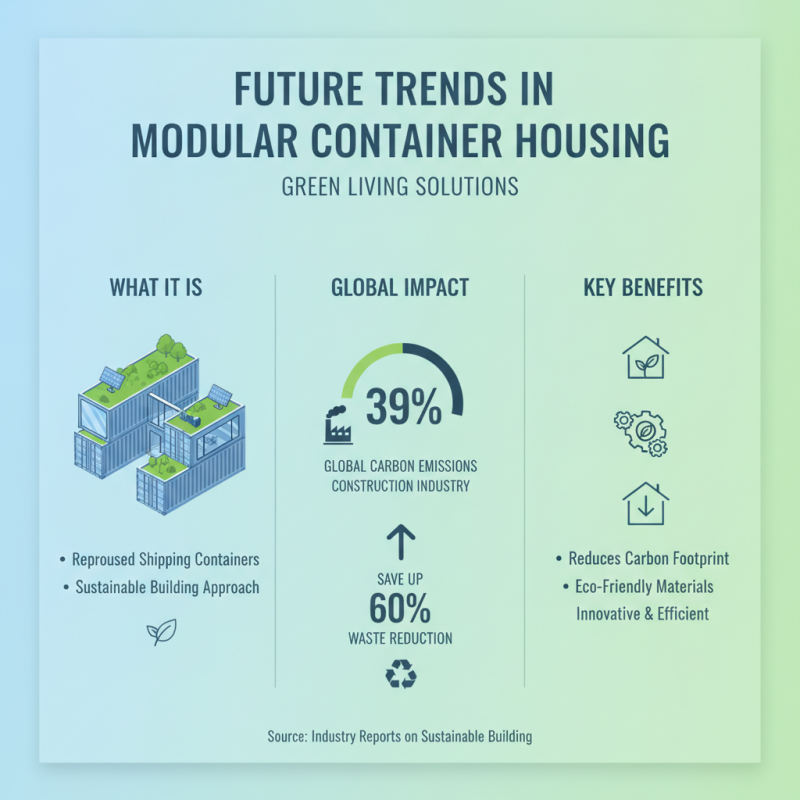
The rise of modular container homes represents a significant shift towards sustainable living. These homes use repurposed shipping containers, providing a unique approach to green building. Reports indicate that the construction industry accounts for nearly 39% of global carbon emissions. Modular homes can reduce waste by up to 60%, offering an innovative solution to this pressing issue.
Future trends in modular container housing embrace technology and sustainability. Energy-efficient materials are becoming standard. Data shows that homes designed with sustainable materials can lower energy consumption by an impressive 30%. Solar panels are increasingly integrated into designs, allowing homes to generate their own electricity. The modular approach minimizes construction time, but it also requires awareness of design limitations and zoning laws.
For many, the aesthetic of container homes remains a concern. The industrial look may not appeal to everyone. Quality of life in these compact spaces can challenge traditional notions of comfort. As the market grows, diverse styles are emerging. With increasing adoption, collaboration among architects and builders can lead to improved designs for enhanced livability.