How to Choose the Best Converted Container Homes for Your Needs?
Choosing the best converted container homes can be a daunting task. With so many options available, making the right choice requires careful consideration. Expert architect and container home designer, Sarah Jones, once stated, "Your container home should reflect your lifestyle and needs." This insight emphasizes the importance of personal requirements in the selection process.
Converted container homes offer a unique blend of sustainability and versatility. They can be customized to suit different lifestyles, from cozy retreats to spacious family homes. However, not every design works for everyone's needs. It's crucial to assess your space requirements and desired amenities. Container homes often present challenges in insulation, layout, and safety; these cannot be overlooked.
Investing in a converted container home is not just about aesthetics; it demands practicality and functionality. Each project is unique, so take time to explore various designs. Look for reputable builders with a track record of quality work. Seek advice from industry experts, as this can significantly guide your decision-making process. As you embark on this journey, consider both the benefits and the potential pitfalls that come with creating your ideal living space.
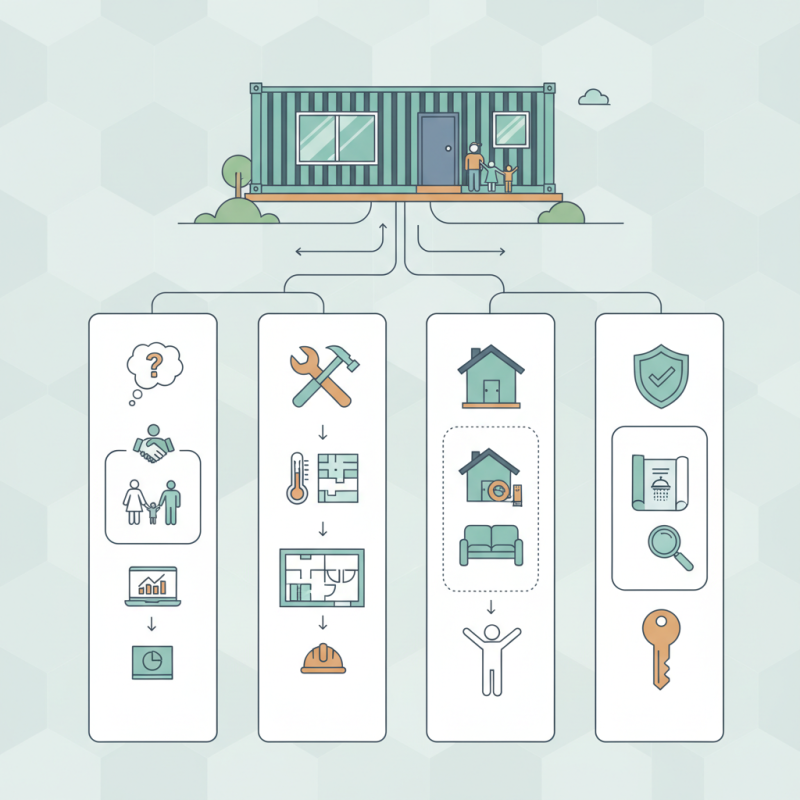
Factors Influencing the Selection of Container Homes for Different Lifestyles
When selecting a converted container home, various factors influence your decision based on lifestyle. One significant aspect is the layout and size that suits your family and daily activities. A single container might suffice for solo living. However, a larger setup may be needed for families. Think about the number of occupants and the shared spaces for comfort.
Another critical consideration is insulation and climate control. Container homes can become extreme in temperature without proper insulation. If you live in a hot environment, ventilation is vital. Cold climates demand effective heating solutions. Ensure you understand the challenges and plan accordingly.
Additionally, the purpose of your container home shapes your choice. Is it a weekend retreat, a full-time residence, or a home office? Define the primary function to help streamline your options. Reflection on your long-term needs can guide your decisions. This means asking tough questions: Will you need extra space later? Are you prepared for maintenance challenges? These reflections help in making a reliable choice for your lifestyle.
Understanding the Structural Integrity and Insulation Needs of Container Homes
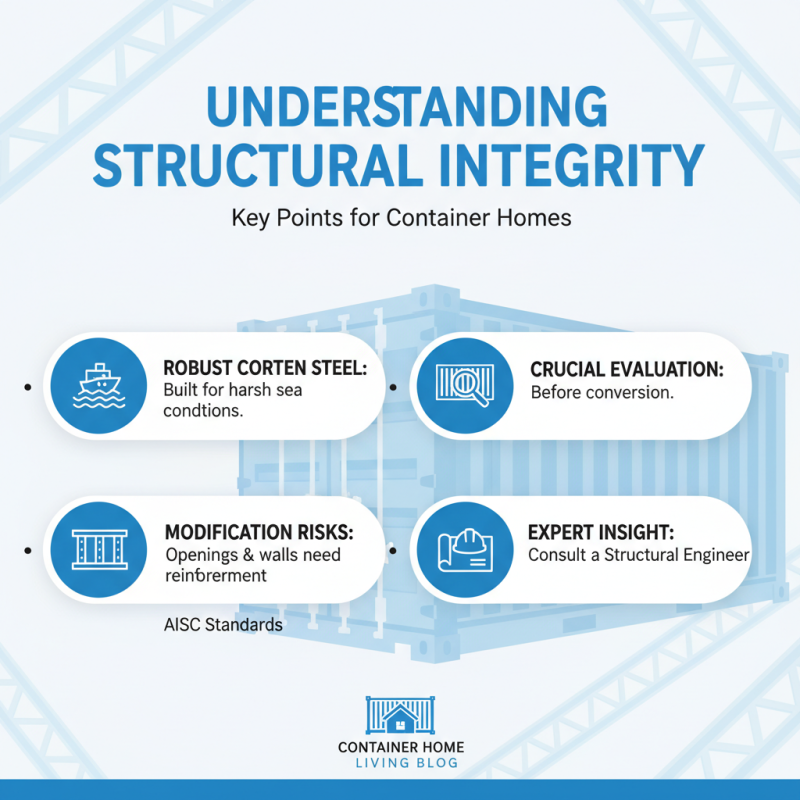
When choosing converted container homes, understanding their structural integrity is crucial. Shipping containers are robust, made from corten steel. They endure harsh conditions at sea, but they require careful evaluation before conversion. The American Institute of Steel Construction emphasizes the importance of assessing structural modifications. Reinforcing walls or adding openings can compromise stability if not done right. A structural engineer can provide insight into safe alteration methods.
Insulation is another essential factor. Containers are metal shells, which can lead to extreme temperatures inside. The U.S. Department of Energy indicates that proper insulation can reduce energy costs by up to 40%. Options include spray foam, rigid panels, or a combination of materials. Each type has unique pros and cons. Spray foam offers excellent thermal performance but can be costlier. Rigid panels are more affordable but may require additional sealing.
Reflect on the necessity of performance testing. Many container homes skip this step, leading to issues later. Air leaks can diminish energy efficiency. Ensure that your container home meets both insulation and sealing standards. Regular maintenance will enhance longevity. Critically assess where improvements can be made to create an energy-efficient and comfortable living space.
Evaluating Cost-Effectiveness: Budgeting for Container Home Design and Construction
When evaluating cost-effectiveness for container homes, budgeting is crucial. Recent industry reports indicate that the average cost of a converted shipping container home ranges between $10,000 and $35,000. This wide range depends on location, design, and amenities. Basic models may only house essential living space, while complex designs can include luxury finishes and eco-friendly features.
Consider hidden costs that may arise during construction. Site preparation and permits can inflate your budget by up to 25%. Utilities like plumbing and electricity add significant expenses. It’s important to research local regulations that may require additional permits, impacting your timeline and financial plan.
Before committing, weigh the long-term savings against initial investments. While a container home may cost less than traditional builds, costs can accumulate if not managed well. A detailed budget that includes contingencies for unexpected expenses will help mitigate risks. Reflecting on all these factors ensures that your choice aligns with both your financial goals and lifestyle needs.
Regulatory Considerations: Zoning Laws and Permits for Container Homes
When considering a converted container home, understanding zoning laws and permits is crucial. Regulatory frameworks vary significantly by location. For instance, a 2022 report from the Container Home Association indicated that about 40% of container home projects face zoning issues. Researching local regulations can save time and money.
Some areas restrict container homes due to aesthetic concerns. Cities may require traditional designs. Others may enforce strict building codes. Engaging a local architect familiar with container home projects can streamline the process. They often have insights into navigating permits and potential obstacles.
Designing a container home without proper permits can lead to costly fines. For example, a well-documented case showed a homeowner fined $15,000 for non-compliance in a metropolitan area. While innovative designs are appealing, it's vital to ensure legality. Balancing creativity with regulatory requirements is often a challenge but necessary for long-term success.
Regulatory Considerations: Zoning Laws and Permits for Container Homes
Assessing Environmental Impact and Sustainability of Converted Container Homes
When considering converted container homes, it's crucial to evaluate their environmental impact. These homes can be a more sustainable option compared to traditional construction. They often repurpose materials that would otherwise contribute to waste. Less new material is needed, which reduces the demand for timber and concrete.
However, not all container conversions are equal in their sustainability practices.
It's important to assess insulation, energy efficiency, and water usage. Some converted homes may prioritize aesthetics over functionality. Poor insulation can lead to higher energy consumption. Water harvesting systems and solar panels could enhance sustainability. Yet, not all designs incorporate these features.
There are trade-offs to consider. While containers are durable, they present challenges in climate control. Reflecting on the potential environmental impact is essential. A well-thought-out design can mitigate negative effects. Understanding what you value in sustainability will guide your choices. The aim should be to balance modern living with eco-friendly practices.