How to Choose the Best Dining Furniture for Your Home?
Choosing the right dining furniture can transform your home. It sets the tone for meals and gatherings. A well-chosen dining set enhances comfort and style. But with countless options available, the task can be overwhelming.
When picking dining furniture, consider your space. Measure the area to ensure the furniture fits. Think about the number of people you typically host. It’s important that your dining table accommodates everyone comfortably. Material is another crucial aspect. Wood, metal, and glass offer different aesthetics and durability. Each has its pros and cons, making it essential to reflect on your lifestyle.
Don’t forget about the design. Your dining furniture should complement existing decor. Mixing styles can create a unique look, but it requires thought. Aim for balance and harmony to avoid a chaotic appearance. Ultimately, your dining furniture should reflect your taste and meet your needs. Engage in the process, and embrace the imperfections. Finding that perfect piece is a journey worth taking.
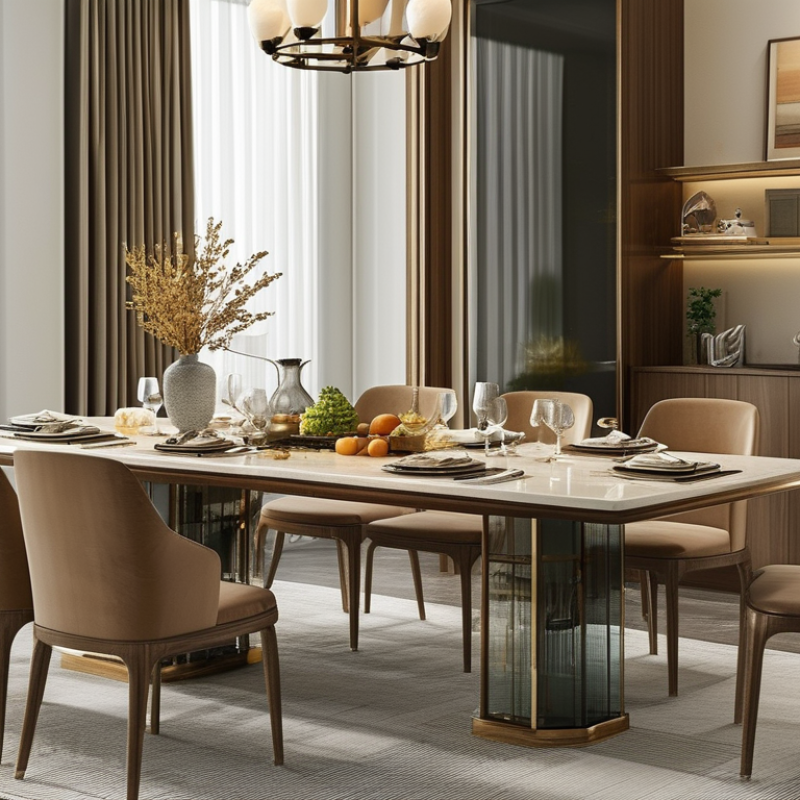
Understanding Your Space: Measuring and Assessing Your Dining Area
When choosing dining furniture, understanding your space is crucial. Measuring your dining area accurately helps in selecting the right pieces. According to the National Kitchen & Bath Association, optimal dining table sizes depend on the room dimensions. A table should allow at least 36 inches of clearance around it for comfortable movement.
Consider the shape of your dining area. Rectangular tables work well in long spaces, while round tables suit smaller, tighter areas. Research indicates that 55% of homeowners feel cramped when dining. Avoid overcrowding. A small space may benefit from a drop-leaf table or extendable options.
Tips: Measure twice. Use painter's tape to visualize how much space your furniture will occupy. Products look different in showrooms than in your home. Reflect on your lifestyle. If hosting large gatherings is not common, a smaller table can serve your needs well.
Identifying Your Style: Traditional, Modern, or Eclectic Design Choices
Identifying your dining style can be both exciting and daunting. Traditional design features rich wood tones and elegant details. Think carved legs on tables and ornate chairs. These elements create a warm, inviting atmosphere perfect for family gatherings. However, a traditional setting can sometimes feel heavy or outdated. Reflecting on personal preferences is essential.
Modern dining design leans towards minimalism. Clean lines and neutral colors dominate this style. Glass and metal pieces can create an open, airy feel. Balancing simplicity with comfort is vital. You might find modern designs too stark or cold, especially if you prefer warmth in your space. Consider adding soft textiles or vibrant artwork to soften the environment.
Eclectic design combines various styles and colors. Mixing a rustic table with contemporary chairs can create a unique look. This approach allows for personal expression but can easily become chaotic. Striking the right balance is crucial. A diverse array of items might take time to curate, leading to potential space overload. Taking a step back to evaluate your choices is often necessary.
Determining Essential Features: Size, Shape, and Functionality of Furniture
Choosing dining furniture involves careful consideration of size, shape, and functionality. The size of your dining area often dictates the type of furniture you can select. Measure your space accurately. A large table in a compact room can feel overwhelming. Conversely, a small table in a spacious area may seem lost. Aim for a balance that feels harmonious.
Shape plays a crucial role, too. Rectangular tables are often popular, but circular tables can enhance conversation. They save space and often fit more people comfortably. Think about your lifestyle. Do you often entertain guests or enjoy intimate family meals? Your dining table must reflect that.
Functionality is key. Look for features like extendable tables for versatility. Choose chairs that offer comfort but are easy to move. Consider materials that suit your usage. Durable surfaces work well for families, while more delicate materials may be suitable for adults. Reflect on your lifestyle needs and how your dining area will be used. This approach will help you make a better choice. It’s vital to revisit your selections as your lifestyle changes over time.
How to Choose the Best Dining Furniture for Your Home?
| Feature | Description | Recommended Size | Shape Options | Functionality |
| Table Size | The table should accommodate the number of people you expect to seat. | 4-6 people: 60-72 inches in length | Rectangular, Round, Square | Dining, Multipurpose |
| Table Shape | The shape affects the overall look and functionality. | Depends on room layout | Oval, Rectangular, Square | Space saving, More seating |
| Material | Material impacts durability and aesthetics. | Varies | Wood, Metal, Glass | Durability, Ease of Cleaning |
| Style | Choose a style that reflects your personal taste and home decor. | N/A | Modern, Rustic, Traditional | Aesthetic appeal |
| Comfort | Ensure chairs are comfortable for long meals. | Chairs should have a seat height of 18 inches | Dining Chairs, Benches | Long dining sessions |
Choosing Materials: Durability, Maintenance, and Aesthetic Considerations
Choosing the right materials for dining furniture involves several factors. Durability is crucial. Hardwoods like oak and maple last longer than softer woods. They resist scratches and dents well, making them ideal for busy families. However, these materials often carry a higher price tag. You’ll need to balance cost with longevity.
Maintenance should also guide your decision. Some finishes require more care. For instance, a painted surface may show chips over time. On the other hand, metal frames can be wiped clean easily. If you have children or pets, consider options that withstand spills and stains, like outdoor fabrics or circular designs that hide wear.
Aesthetic appeal plays a significant role too. Retro styles might not match with minimalistic decor. Visual harmony is essential in a dining space. Think about the colors and textures. Mixing materials can add personality. For example, a glass top paired with wooden legs creates an inviting contrast. However, always reflect on your choices. Are they truly practical for your lifestyle?
Setting a Budget: Balancing Quality and Affordability for Your Dining Furniture
When setting a budget for dining furniture, balancing quality and affordability is crucial. According to industry reports, customers should allocate around 20-25% of their home furnishing budget specifically for dining furniture. This range ensures you secure durable pieces without overspending. Many households often compromise by opting for low-cost options that may wear out quickly, leading to higher long-term costs.
Tips: Consider spending a little more on items that will endure frequent use. Look for tables made from solid wood, which tend to last longer than particle board alternatives. Assess your lifestyle; if you host gatherings often, invest in larger tables.
Also, pay attention to price fluctuations. Research indicates that dining sets can drop in price during the off-season, particularly after holidays. This insight is crucial for making informed decisions. However, avoid buying on impulse; reflective purchasing leads to better satisfaction and financial efficiency. In short, exploring various options and allocating your budget wisely can significantly improve your dining experience.