How to Choose the Best Office Modular Solutions for Your Needs?
In today's rapidly evolving work environment, choosing the right office modular solutions is critical. According to a recent report by MarketsandMarkets, the global office modular market is projected to grow from $17.0 billion in 2022 to $24.3 billion by 2027. This growth indicates a shift in how businesses perceive workspace flexibility.
Office modular systems can enhance collaboration and productivity. They offer customizable layouts that adapt to various functions. Yet, many organizations still overlook the unique needs of their workforce when selecting these solutions. The wrong choice can lead to inefficiencies and dissatisfaction among employees. Research from the International Facility Management Association shows that workspace design directly impacts employee performance and well-being.
As you explore options for office modular systems, consider factors like material quality, sustainability, and overall design efficacy. Not every solution may fit your goals. Taking the time to evaluate different products will help you make informed decisions. Ultimately, the effectiveness of your office modular choice can shape the future of your work environment.
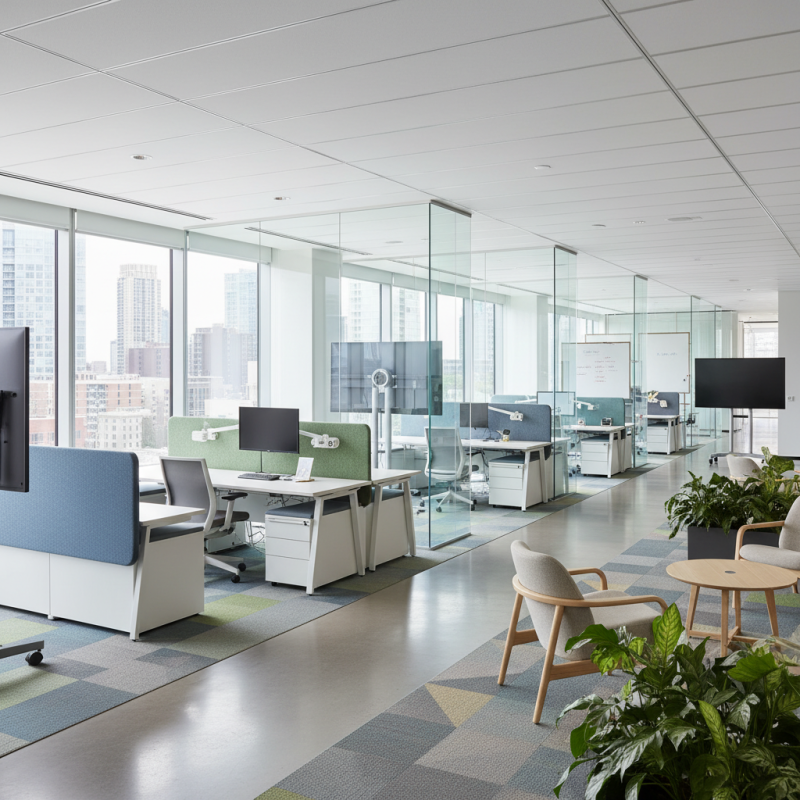
Understanding Modular Office Solutions: An Overview
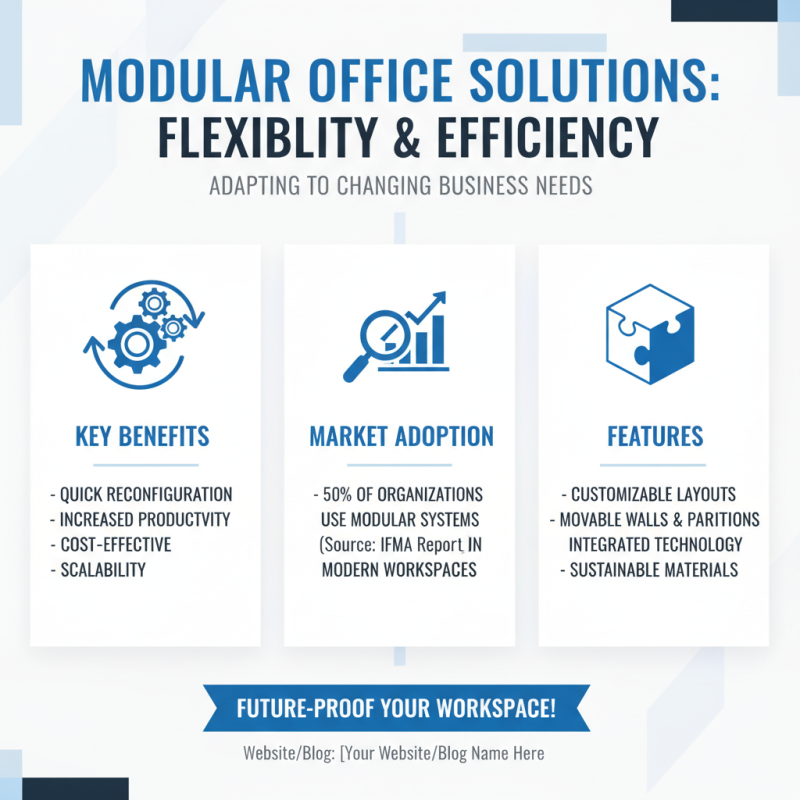
Modular office solutions have gained popularity among businesses seeking flexibility and efficiency. According to a report by the International Facility Management Association, nearly 50% of organizations now use some form of modular office systems. These solutions provide businesses with the ability to adapt their environments to changing needs. They allow for quick reconfigurations which can lead to increased productivity.
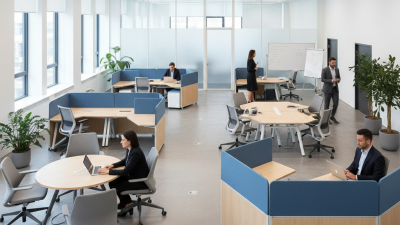
Understanding modular office solutions involves recognizing their various types. For instance, open-plan designs promote collaboration, while enclosed offices offer privacy. A study by the Research Institute for Housing and Living noted that 70% of employees prefer workspaces that support both collaboration and concentration. This blend of environments influences employee satisfaction and performance.
However, there are challenges to consider. Not all modular designs will suit every office. Space constraints and aesthetic preferences can complicate choices. Additionally, a lack of familiarity with modular systems can lead to implementations that don’t meet a company's unique needs. Companies should conduct thorough assessments before committing to ensure that the chosen solution aligns with their specific goals and enhances operational efficiency.
Assessing Your Workspace Requirements for Modular Solutions
Assessing your workspace requirements
is crucial when choosing office modular solutions. Start by analyzing your
team’s size and work habits. Consider how many employees you have and their needs.
Collaboration areas may be necessary for some teams. Others might require quiet
zones for focused work.
Think about the flexibility
of your space. Modular solutions should adapt
as your business grows. This adaptability can save time and money down the line.
Evaluate the layout options available. Open spaces can foster communication, while
private offices offer solitude.
Don’t overlook the aesthetics. A pleasing design can enhance productivity and employee
satisfaction. While functionality is essential, the appearance of the workspace
impacts morale. Reflect on your company culture
also. The right environment can inspire creativity and teamwork. Understanding these
elements leads to better decisions in modular solutions.
Key Features to Consider in Office Modular Solutions
When selecting office modular solutions, consider several key features. Flexibility is paramount. You want spaces that adapt to your needs. Look for modular designs that allow easy reconfiguration. This is essential as business requirements often change.
Another aspect to think about is materials. The durability and aesthetics of materials used are crucial. They impact both functionality and the overall vibe of your workspace. Eco-friendly options are increasingly popular. Many companies value sustainability.
Tips: Evaluate the space you have. Measure before making decisions. Ensure the modular units fit well. Additionally, think about sound insulation. This feature affects employee productivity. Good acoustics can create a better work environment. Don't overlook technology integration. Ensure that modular units can accommodate wiring and electronic needs seamlessly.
Comparing Different Types of Modular Office Solutions
When exploring modular office solutions, there are several types to consider. Each type serves different needs and purposes. One popular option is the traditional cubicle system. This setup allows for privacy while still fostering collaboration. Employees can enjoy their own space without feeling isolated. However, cubicles might restrict free movement and lead to a sterile environment.
Another option is the open-plan modular solution. This design promotes lively interaction among team members. It can enhance communication and teamwork. Yet, noise and distractions can often hinder productivity. Some workers may crave privacy, which an open environment may lack. Adaptability is crucial here; modular systems should cater to diverse working styles.
Modular pods are gaining popularity as well. These small spaces can be customized for specific tasks. For example, a pod designed for brainstorming can include whiteboards and soft seating. However, these can feel cramped for larger teams. It’s essential to balance the need for privacy with the benefits of collaboration. Thus, each business should reflect on its unique requirements before making a decision.
Budgeting and Cost Considerations for Modular Office Designs
When considering modular office designs, budgeting is essential. Start by assessing your needs. Determine how many workstations are required and what facilities are necessary. This will guide your cost expectations. Modular solutions offer flexibility and can often reduce expenses compared to traditional builds.
Unexpected costs may arise. It’s crucial to account for those. Hidden fees, like installation charges, may add to your budget. Maintenance costs over time can also be overlooked. Include a contingency amount in your budget. That way, you are prepared for surprises.
Think about future growth as well. Investing in modular designs allows for easy expansion. However, expanding later could lead to additional costs. Weigh the pros and cons carefully. The right approach today may save you money tomorrow. Always revisit your budget and reflect on its effectiveness.