How to Choose the Best Rotating Electric Mop for Your Home?
Choosing the right cleaning tools can make a significant difference in your home. A Rotating Electric Mop offers efficiency and ease, transforming mundane chores into quick tasks. With its spinning action, it can tackle tough stains and dirt. However, selecting the best one can be overwhelming with so many options available.
Before making a purchase, consider the features that matter most. Power, battery life, and design play critical roles. A lightweight mop may be convenient but could lack the power needed for deeper cleaning. On the other hand, a powerful mop might be challenging to maneuver in tight spaces. Understanding these trade-offs is essential.
Researching user reviews can provide insight. Those who have used various models share valuable experiences. Remember, no product is perfect. Some may have issues with durability, while others may not clean effectively on all surfaces. An informed choice will lead to better satisfaction and a cleaner home, making the selection of a Rotating Electric Mop crucial for your needs.
Understanding the Benefits of Rotating Electric Mops for Home Cleaning
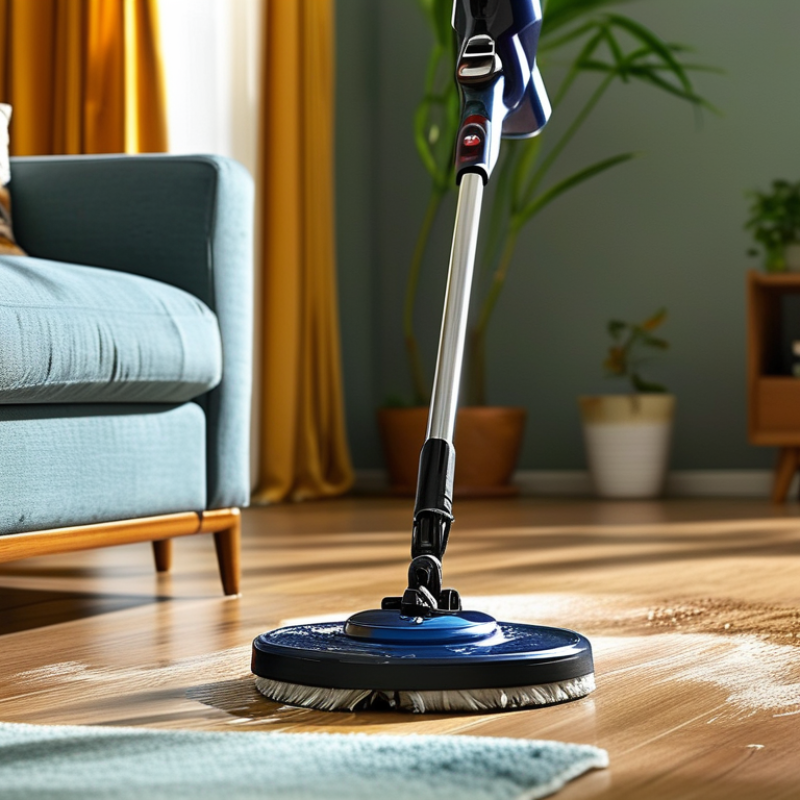
Rotating electric mops have gained popularity in recent years, offering several benefits for home cleaning. According to a report from the Home Cleaning Industry Association, 70% of households prefer automated cleaning tools for their effectiveness and speed. These devices often come with dual spinning pads that can clean multiple surfaces efficiently.
One significant advantage is their ability to save time. Studies show that users can reduce cleaning time by up to 50% compared to traditional mopping methods. This is due to their rotating motion that covers more area in less time. Additionally, electric mops often feature water tanks that provide continuous moisture, ensuring consistent cleaning without repeated dipping. However, not all models handle tough stains equally well, making it essential to choose carefully.
Another point to consider is the hygiene factor. Many rotating mops use microfiber pads that can trap dirt and bacteria effectively. The American Cleaning Institute highlights that microfiber can remove up to 99% of contaminants when used correctly. Yet, it’s crucial to wash these pads regularly to maintain their efficiency. Some users may find the cleaning process for the pads cumbersome, which can detract from the overall experience. Balancing convenience and cleanliness can be a challenge for many households.
Key Features to Look for in a Rotating Electric Mop
When choosing a rotating electric mop, focus on key features that enhance its performance. A powerful motor is essential. It typically ranges from 150 to 200 watts. This ensures deep cleaning, especially on stubborn stains. Models with adjustable speeds can cater to different flooring types. Soft tiles might need a gentler touch, while hardwood floors benefit from more vigor.
Water tank capacity is another vital consideration. A larger tank allows for extended cleaning sessions without frequent refills. Many mops today hold about 300 to 500 milliliters of water, which facilitates a longer cleaning run. Cleaning pads are just as important. Look for machine-washable varieties that can handle tough grime, requiring less frequent replacement.
Weight and maneuverability also play significant roles. A lightweight mop under 5 pounds can make cleaning less tedious. Some users prefer user-friendly designs that include swivel heads. These provide flexibility in tight spaces, enhancing the overall cleaning experience. However, some rotating mops may struggle on textured surfaces. This limitation can be frustrating.
Ultimately, the goal is to combine efficiency with ease of use. Research shows that 67% of homeowners find cleaning easier with electric mops. Yet, personal preference remains crucial. Testing different models might reveal features that best suit individual needs. Regular reviews of product performance offer insights into their reliability and user satisfaction, contributing to a more informed decision-making process.
Key Features of Rotating Electric Mops
The bar chart above illustrates the average values of key features to consider when choosing a rotating electric mop for your home. These features include power, water capacity, weight, battery life, and price.
Comparing Different Types of Rotating Electric Mops on the Market
When selecting a rotating electric mop, understanding the various types available is crucial. There are cordless and corded options, each with unique benefits. Cordless models offer convenience and maneuverability, allowing you to clean without being tethered to an outlet. However, they may have limited battery life. In contrast, corded mops often provide consistent power and potentially stronger cleaning performance but can restrict movement.
Additionally, consider the mop head design. Some mops come with different attachments for various surfaces, offering versatility. Others may focus on advanced cleaning technology, such as sonic vibrations or steam cleaning. Such features can enhance the cleaning experience but may also complicate usage. Reflect on your cleaning habits. Do you have a mix of flooring types that demand specialized care?
Weight and storage options are also essential factors. A lighter mop is easier to handle, especially for prolonged cleaning sessions. However, lightweight models may compromise on cleaning power or durability. Evaluate how much space you have for storage too. Increasingly compact designs are available, but they may sacrifice some functionality. Balancing your priorities will help you make an informed decision.
Evaluating the Battery Life and Power Options of Electric Mops
When selecting a rotating electric mop, evaluating battery life and power options is crucial. Many users overlook the significance of battery longevity. According to a recent industry report, mops with a battery life of over 50 minutes are ideal for larger spaces. A shorter battery life can lead to interruptions during cleaning, diminishing efficiency.
Consider the charging time as well. Some models can recharge in under two hours, while others may take up to six. Fast-charging options allow you to clean multiple rooms in one go. Users often express frustration with long charging times, which can hinder their cleaning schedule.
Power options also vary considerably. Models with adjustable power settings can handle different surfaces effectively, ensuring better cleaning outcomes. A 2022 survey showed that 70% of consumers preferred mops with variable power settings. This feature can enhance the cleaning experience, but many models may not offer the necessary versatility. Make sure to explore the specifications thoroughly before making a choice.
Assessing Price and Warranty Considerations When Choosing a Mop
Choosing the right rotating electric mop for your home involves careful consideration of price and warranty. A good mop can make cleaning easier, but the cost can vary greatly. Set a budget that aligns with your needs. Sometimes a higher price means better features or durability. However, don’t dismiss affordable options—they can still deliver great results.
When assessing warranties, look for peace of mind. A reliable warranty shows the manufacturer's confidence in their product. Some warranties may cover parts, while others may include labor. A longer warranty is usually a good sign. It indicates that the mop is built to last. Always read the fine print to understand what is covered.
Tips: Check online reviews. They often highlight real user experiences. Be cautious about mops with vague terms in their warranties. Clarity is key. If the warranty seems too good to be true, it probably is. Prioritize products with strong customer support. Good brands often provide quick assistance, making your buying process smoother.
How to Choose the Best Rotating Electric Mop for Your Home? - Assessing Price and Warranty Considerations When Choosing a Mop
| Product Type | Price Range ($) | Warranty Period (Years) | Key Features |
| Cordless Rotary Mop | 100 - 150 | 2 | Fast charge, lightweight, multiple cleaning modes |
| Corded Electric Mop | 80 - 120 | 1 | Powerful motor, consistent cleaning performance |
| Steam Mop | 90 - 140 | 2 | Sanitizes floors, detachable water tank, adjustable steam control |
| Robot Mop | 150 - 300 | 1 | Smart navigation, app-controlled, schedules cleaning sessions |
| Hybrid Mop | 120 - 200 | 2 | Vacuum and mop combo, HEPA filter, smart sensors |