How to Choose Perfect Modular Rooms for Your Needs?
Choosing the right modular rooms can be a daunting task. According to industry expert, Lisa Harrington, “The key is understanding your unique needs and how modular solutions can fit them.” Modular rooms offer flexibility and customization, making them ideal for various applications. Whether you need extra office space, classrooms, or temporary shelters, these structures can adapt.
However, the selection process often involves complex considerations. Factors such as size, insulation, and design should align with your specific requirements. It’s easy to overlook essential details, which can lead to dissatisfaction later. Assessing your true needs before diving into options can save time and resources.
While the benefits of modular rooms are clear, it’s crucial to reflect on potential drawbacks. For instance, aesthetic limitations or the initial cost can lead one to rethink choices. Ultimately, informed decisions backed by expertise will guide you to the right modular room solution.
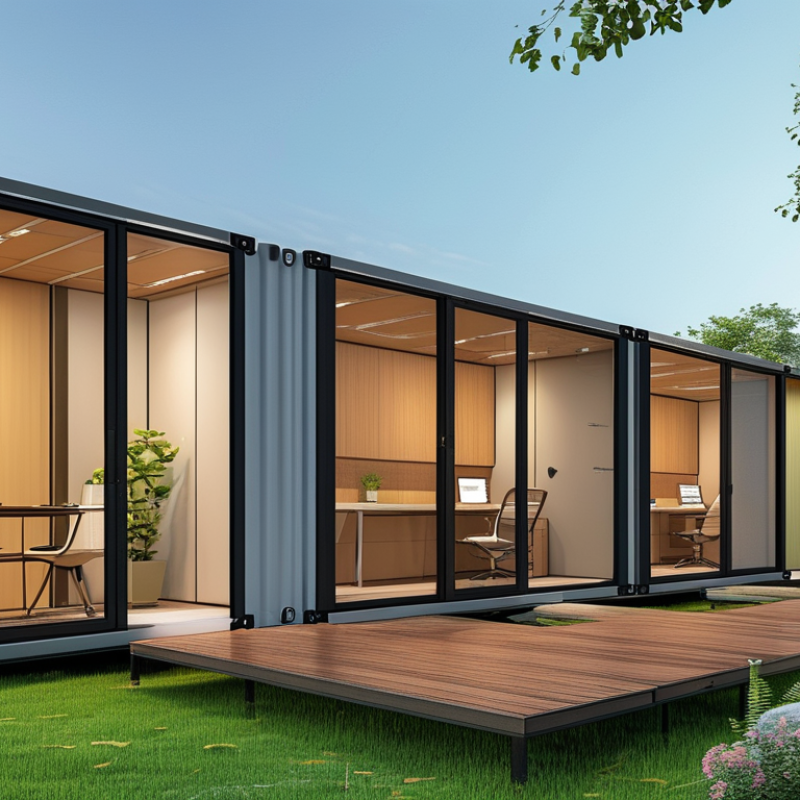
Benefits of Modular Rooms: Flexibility, Cost-Effectiveness, and Sustainability
Modular rooms offer significant advantages, making them an attractive option for various needs. Their flexibility stands out. According to a 2022 report by the Modular Building Institute, modular construction can reduce project timelines by up to 50%. This speed means quicker occupancy. It’s ideal for businesses needing rapid expansions or temporary space solutions.
Cost-effectiveness is another pivotal factor. A study by the National Institute of Standards and Technology indicates modular buildings can be up to 20% cheaper than traditional methods. This is largely due to reduced labor costs and decreased waste production. Modular construction minimizes material waste, contributing to sustainability. However, the initial setup may have hidden costs, like site preparation.
Sustainability plays a crucial role in modern construction. A report from the World Green Building Council highlights that modular buildings often utilize energy-efficient materials. This practice not only lowers energy consumption but promotes environmental responsibility. However, it’s important to assess the entire lifecycle of modular units, as some products may not be fully recyclable. Hence, informed decision-making is key.
How to Choose Perfect Modular Rooms for Your Needs? - Benefits of Modular Rooms: Flexibility, Cost-Effectiveness, and Sustainability
| Feature |
Description |
Benefits |
Use Cases |
| Flexibility |
Can be easily expanded or reconfigured based on changing needs. |
Adapts to different situations without major renovations. |
Temporary offices, event spaces, educational facilities. |
| Cost-Effectiveness |
Lower construction costs compared to traditional buildings. |
Saves money on labor and materials. |
Startup offices, affordable housing projects. |
| Sustainability |
Utilizes eco-friendly materials and energy-efficient designs. |
Reduces carbon footprint and energy consumption. |
Green building projects, remote workforce housing. |
| Speed of Construction |
Can be completed in a fraction of the time of traditional builds. |
Rapid deployment for urgent needs. |
Disaster recovery centers, temporary housing. |
| Scalability |
Easy to add new modules as the need grows. |
Supports business growth without significant investment. |
Growing businesses, educational institutions. |
Key Considerations for Assessing Space Requirements in Modular Design
Choosing the right modular room to meet your space requirements involves careful planning. One key consideration is the intended use of the space. Different functions, such as an office, classroom, or storage, require unique layouts and amenities. Understand the activities that will take place, so you can define necessary features. For example, a classroom might need flexible seating arrangements, while an office might benefit from more privacy.
Assessing space dimensions is crucial. Measure the area where the modular room will be placed. This will help determine if it fits your layout needs. Also, consider the height and airflow. Cluttered spaces can lead to discomfort, making it vital to visualize furniture arrangement. Reflect on how people will move within the room. Can they walk freely? Is there adequate room for collaboration, if needed?
Moreover, think about future needs. Will the space need to accommodate growth? Anticipating change can save time and money later on. While a compact room may be tempting today, envisioning larger gatherings could help prevent issues later. Ultimately, assessing your specific requirements with a keen eye can lead to a surprisingly efficient and satisfying modular design choice.
Materials and Construction Techniques: Ensuring Durability and Insulation
When selecting modular rooms, the materials and construction techniques matter significantly. Durability is essential for long-term investment. Using high-quality materials can enhance the lifespan of these structures. Steel frames provide excellent strength, while wood can offer warmth and aesthetics. However, wood may require more maintenance over time. Each choice has pros and cons, and careful consideration is necessary.
Insulation plays a crucial role in comfort. Effective insulation keeps spaces warm in winter and cool in summer. Foam insulation is lightweight and provides good thermal resistance. However, it can be pricier than other options. In contrast, fiberglass is cost-effective but needs careful handling during installation. Homeowners must weigh these factors based on their specific environment. Selecting the right insulation will affect energy efficiency and utility costs.
Ultimately, building a modular room demands attention to detail. Researching local regulations can prevent future headaches. Avoid rushing the decision-making process to ensure satisfaction. Seek advice from experts when uncertain. A thoughtful approach can lead to a perfect modular space tailored to individual needs.
Customization Options: Tailoring Modular Rooms to Fit Specific Use Cases
When selecting modular rooms, customization is essential. Each use case demands specific features. Research shows that 72% of businesses prefer tailored solutions that address unique needs. For example, educational institutions may require classrooms equipped with technology for interactive learning. On the other hand, healthcare facilities might prioritize cleanliness and accessibility.
Options for customization include layout adjustments, material selection, and integrated technologies. The Modular Building Institute notes that 65% of modular buildings are now designed with flexible spaces. This flexibility allows for easy reconfiguration as needs change. Additionally, energy-efficient materials are increasingly popular, with reports indicating that they can reduce operating costs by up to 30%.
However, identifying the right customization can be challenging. Some clients often underestimate their future needs. They may opt for a simpler design only to find it lacks functionality later. Regular assessments of how these spaces are used can help prevent missteps. Awareness of changing requirements is crucial for maximizing investment in modular spaces. Making informed choices today leads to better outcomes tomorrow.
How to Choose Perfect Modular Rooms for Your Needs?
This chart illustrates the various customization options available for modular rooms based on specific use cases. The data reflects the percentage of customers preferring each option for their modular room configurations.
Understanding Local Regulations and Building Codes for Modular Installations
When choosing modular rooms, understanding local regulations is crucial. Each area has specific building codes that dictate how modular structures can be installed. These codes can vary significantly, so researching your local regulations is essential. For instance, a report by the Modular Building Institute indicates that over 60% of modular construction projects faced compliance issues due to insufficient knowledge of local rules.
Building codes often cover aspects like fire safety, structural integrity, and zoning regulations. Non-compliance can result in costly fines or even project delays. It's vital to consult local building authorities or a qualified professional who can interpret these codes. An analysis by the International Code Council reveals that states with more stringent regulations have seen a 40% reduction in construction-related accidents, highlighting the importance of adherence to local laws.
In addition, modular construction often requires inspections at various stages. This adds an additional layer of complexity. Homeowners and businesses may overlook these inspections, leading to potential issues down the line. Comprehensive documentation of compliance can help avoid headaches later. Ensuring that all elements meet local standards is not just a good practice; it’s essential for the safety and longevity of your modular installation.