How to Choose the Best Bathroom Fittings for Your Home?
Choosing the best Bathroom Fittings for your home is crucial. This decision impacts both functionality and aesthetics. According to a 2022 report by the National Kitchen and Bath Association, over 80% of homeowners consider bathroom improvements a priority. High-quality bathroom fittings can significantly enhance your space.
However, the market is flooded with options. Many brands claim superior quality and durability. It's easy to feel overwhelmed and uncertain about what to choose. Research indicates that nearly 60% of consumers regret their purchasing choices due to a lack of understanding. This is alarming, given the investment involved in bathroom fittings.
When selecting these essentials, consider both style and practicality. Some fittings may look great but fail in performance. For instance, a stylish faucet can detract from usability if it's too high or difficult to operate. Prioritizing quality over aesthetics is essential. With careful consideration and informed choices, you can ensure your bathroom stands the test of time.
Understanding Different Types of Bathroom Fittings Available in the Market
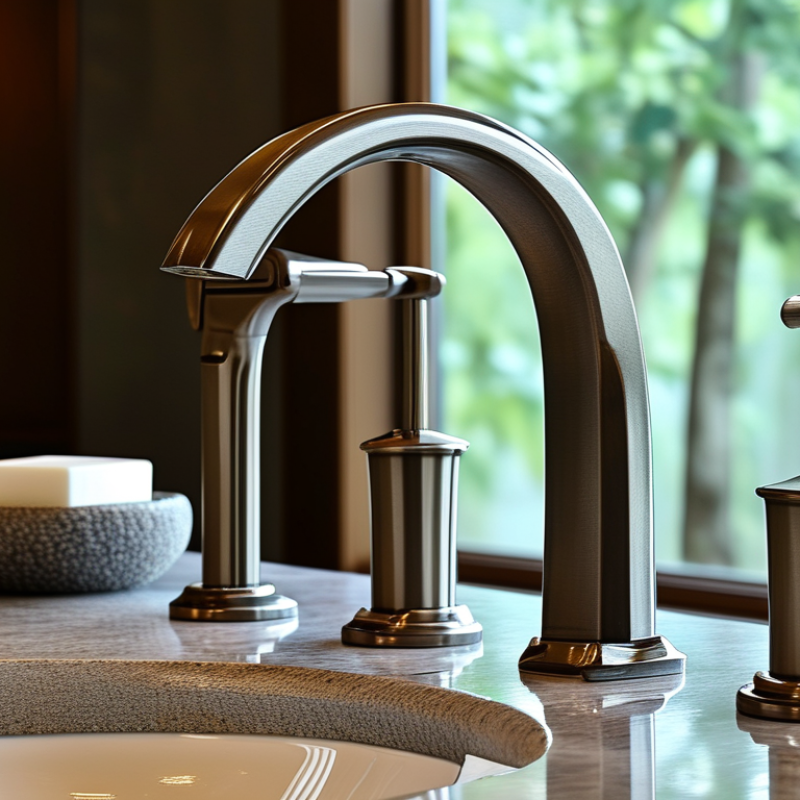
Bathroom fittings come in various types, each with its own unique features. Knowing the differences helps in making the right choice. For instance, faucets are available in styles like single-handle or dual-handle. A single-handle faucet is easy to use with one hand. However, it might not provide the temperature control that some users prefer. Dual-handle faucets allow for precise adjustments, but they require both hands.
Toilets also vary significantly. The elongated bowls offer comfort, while round bowls save space. Each design caters to different needs. Additionally, you can choose between standard and dual-flush options. Dual-flush toilets are environmentally friendly but may be more expensive upfront. The materials used in bathroom fittings also matter. Chrome finishes look sleek, while brushed nickel offers a softer appearance. However, maintenance varies; chrome shows water spots easily, while brushed finishes may hide them better.
For accessories, consider towel bars and shelves. The choice between wall-mounted or free-standing can influence your bathroom's layout. Wall-mounted options save floor space, but installation can be tricky. Free-standing shelves provide flexibility, yet they might clutter the room. Reflect on your needs and preferences carefully. Each choice affects functionality and aesthetics in unique ways.
Assessing Your Bathroom Space and Layout for Optimal Fitting Choices
When considering bathroom fittings, start by thoroughly assessing your space and layout. Measure your bathroom dimensions carefully. This step helps determine what size fixtures will fit. Note where doors, windows, and existing plumbing are located. These elements can limit your choices.
For smaller bathrooms, opt for compact fittings. Wall-mounted sinks and toilets can save space. If you have a larger area, you might consider double vanities or freestanding tubs. Ensure that there is enough room to move comfortably. Poor layout can lead to frustration and a cluttered appearance.
Pay attention to the flow of the room. Open spaces encourage relaxation. Avoid overcrowding your bathroom with oversized fixtures. A well-planned layout can enhance both functionality and aesthetics. Reflect on your personal style. Choose fittings that not only fit the space but also resonate with your taste. Balancing practical needs with design preferences is key.
Identifying Your Style Preferences for Bathroom Aesthetics and Functionality
Choosing bathroom fittings can be daunting. Start by assessing your style preferences. Do you lean toward modern, minimalist designs or classic, ornate features? Understanding your aesthetic will guide your choices. Consider colors and textures that resonate with you. Subtle tones can create a calming atmosphere, while bold hues add a dramatic flair.
Functionality is just as important as appearance. Think about how you use your bathroom. If you enjoy long baths, a sleek tub might be ideal. If storage is limited, consider compact vanities or wall-mounted shelves. Reflect on past experiences. Have you ever found your towel rack too far from your shower? Such insights will help refine your decisions.
Striking a balance between style and practicality is crucial. Reflect on how each fitting impacts your daily routine. For example, overly shiny finishes can show water spots quickly. This might lead to frequent cleaning, which can be frustrating. Choosing the right bathroom fittings should enhance both your experience and your home's overall aesthetic.
Evaluating Material Durability and Maintenance Requirements for Fittings
Choosing bathroom fittings requires attention to material durability and maintenance needs. Different materials offer unique benefits and drawbacks. Stainless steel is popular for its strength, but it can show fingerprints. Ceramic is often used for sinks and toilets; it's easy to clean but may chip if mishandled.
Consider how much time you can dedicate to maintenance. Glass fittings look sleek but require more frequent cleaning to avoid streaks. On the other hand, some plastics can be budget-friendly but may degrade faster over time. Ensure the longevity of your choices by evaluating their finish and how well they resist wear.
Tips: Always check the warranty on your fittings. This can provide insight into the manufacturer's confidence in their durability. Regularly inspect your fittings for signs of wear. Addressing issues early can prevent costly repairs later. Investing time in research will lead to better choices that blend style and practicality.
Durability and Maintenance of Common Bathroom Fittings
This chart compares the durability of different bathroom fitting materials measured in years. When selecting bathroom fittings, consider both the longevity and the maintenance requirements of each material to ensure the best choice for your home.
Budgeting for Bathroom Fittings: Balancing Quality and Cost-effectiveness
When budgeting for bathroom fittings, it’s essential to balance quality and cost-effectiveness. According to industry reports, homeowners often spend between $5,000 and $15,000 on bathroom renovations. This cost can be influenced by the choice of materials and installation complexity. High-quality fittings may seem costly upfront, but they usually offer better durability and longevity.
Investing in better materials can lower long-term maintenance expenses. For example, ceramic fixtures can exceed metal options in terms of lifespan. However, remodeling budgets are often constrained. It’s crucial to prioritize what you value most in your bathroom. If aesthetics matter, focus your budget on stylish faucets and tiles, as they can significantly impact the space’s overall look.
Tips: Assess your actual needs. Don’t overspend on items just for appearances. Consider DIY installation for non-plumbing fittings to save costs. Furthermore, monitor sales or wholesale options to discover quality products at reduced prices. Remember, while it may be tempting to go for the cheapest options, the long-term satisfaction is worth the extra investment.