How to Choose the Best Modular House for Your Needs?
Choosing the best modular house can be a daunting task. Modular houses offer flexibility and efficiency. However, not all options suit every need.
Consider your lifestyle and budget. These houses can vary in size, design, and price. Some may find the layout unsuitable, leading to regrets later. Research different styles before deciding. Visit model homes to gain insights. Each modular house has unique features that can impact your decision.
Think about location and climate. What works in one area may not be ideal in another. Some models perform better in specific weather conditions. Take your time to reflect on your choices. A well-informed decision can lead to a satisfying home experience.
Factors to Consider When Choosing a Modular House
When choosing a modular house, several factors play a crucial role. Start by assessing your space requirements. Think about how many rooms you need and the overall square footage. Consider your family dynamics or future needs. A growing family might need more bedrooms. A flexible design can accommodate changes over time.
Another essential factor is the budget. Modular houses can vary significantly in price. You should include not just construction costs but also land and utility expenses. Research financing options that suit your financial situation. It's easy to underestimate total costs, so plan ahead.
Don’t forget about the location. The site impacts not just lifestyle, but also construction regulations and costs. Check local building codes that could affect your design choices. If the land isn’t suitable, it may require additional time and money to prepare. Reflect on how the surroundings influence your living experience. A scenic view can enhance your home, while noise pollution can detract from it.
How to Choose the Best Modular House for Your Needs?
| Factor |
Description |
Importance Level |
| Budget |
Consider your total budget for the entire project, including land, construction, and additional costs. |
High |
| Size |
Evaluate how much living space you need and your future needs regarding family size. |
Medium |
| Design |
Choose a design that fits your style preference, whether modern, traditional, or other styles. |
Medium |
| Energy Efficiency |
Look for energy-efficient models that can reduce long-term utility costs. |
High |
| Customization |
Assess the available options for customizing layouts and features to suit your needs. |
Low |
| Location |
Consider the location where you want to install the modular house, including zoning laws and access to utilities. |
High |
| Building Codes |
Ensure the modular home complies with local building codes and regulations for safety and legality. |
High |
Types of Modular Houses and Their Benefits
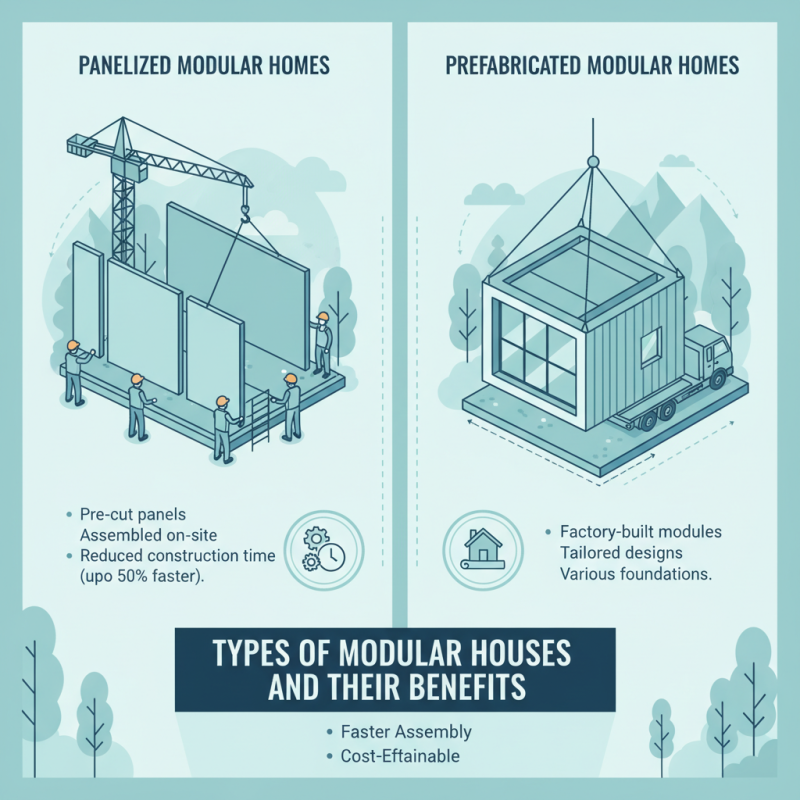
When selecting the best modular house, it’s essential to understand the different types available. Two popular types are panelized modular homes and prefabricated homes. Panelized homes are built from pre-cut panels, allowing for quicker assembly. According to the Modular Building Institute, these homes can reduce construction time by up to 50%. Prefabricated homes often come with tailored designs and can be placed on various foundations.
Each type offers distinct benefits. Panelized homes provide flexibility in design and layout. Prefabricated homes tend to be more energy-efficient, reducing long-term utility costs. A study by the National Association of Home Builders found that modular homes can save homeowners about 10% annually on energy bills.
However, buyers should reflect on their specific needs. Does a quick assembly time outweigh customization options for you? Some modular houses may not fit unique land requirements or local zoning laws. Understanding these limitations helps in making a more informed decision. It's essential to evaluate what type of modular home suits your lifestyle and budget effectively.
Assessing Your Space and Layout Needs
Assessing your space and layout needs is crucial when choosing a modular house. Urban areas often limit space, and in 2020, a report by the National Association of Home Builders indicated that 43% of buyers prioritize space efficiency. This means understanding how you use each area is essential. A family may need a multifunctional living room, while a single professional might focus on a home office.
Consider how you envision your daily life. Do you cook often? An efficient kitchen layout can enhance your experience. Research shows that open floor plans promote gatherings and natural light, which contributes to overall well-being. However, they may lack privacy. Think about the trade-offs. A layout that suits one lifestyle may not work for another.
Remember, comfort matters. Reports highlight that 65% of homeowners wish to personalize their spaces. Layout should reflect your personality and needs. Assess which areas you prioritize. Is outdoor space essential to you? A covered patio might be a great addition. Your choices shape your modular home experience, so reflect on what truly fits your lifestyle.
Understanding Building Regulations and Permits
When considering a modular house, understanding building regulations is crucial. These regulations vary significantly by location. In the United States, for instance, 50% of local governments have specific codes for modular homes. This means you must research local requirements before pursuing your project.
Permits are another essential aspect of modular housing. All construction projects typically require at least one permit. The National Association of Home Builders reports that, on average, obtaining a permit can take several weeks. Time delays can lead to increased costs.
Moreover, it's important to remember that even after obtaining permits, changes in regulations can occur. Local authorities may modify building codes unexpectedly. This requires flexibility and a proactive approach in planning. Engaging with local officials early can prevent future disruptions. Building a relationship with them might provide insights into upcoming changes.
Evaluating Budget and Financing Options for Modular Homes
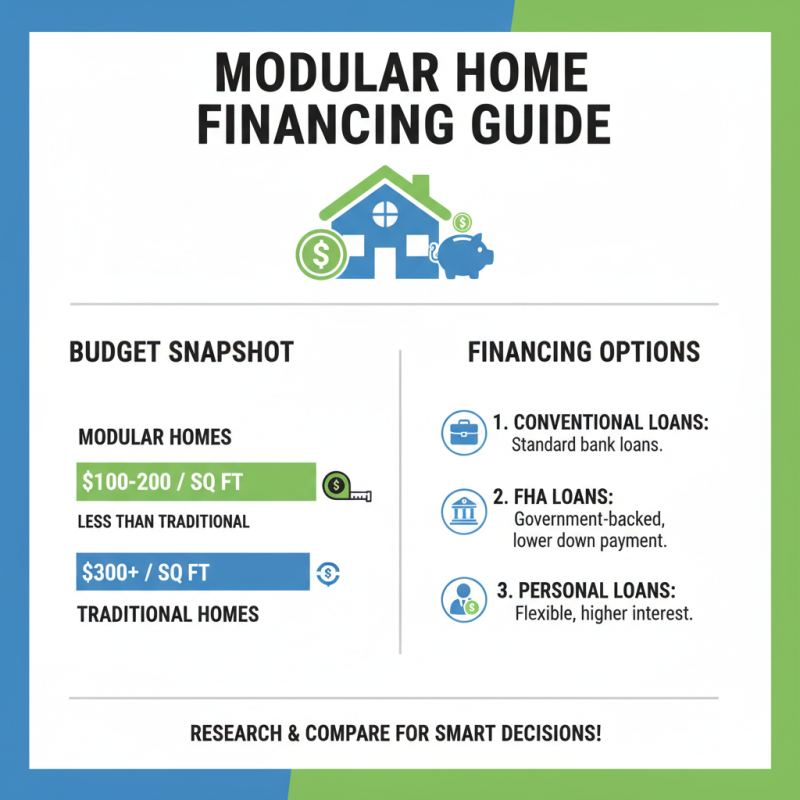
When considering modular homes, budget plays a crucial role. According to recent industry reports, the average cost of modular homes ranges from $100 to $200 per square foot. This price is significantly less than traditional homes, which can exceed $300 per square foot. Understanding these costs helps in making informed decisions. Financing options for modular homes include conventional loans, FHA loans, and even personal loans. Each option has its pros and cons, which need careful evaluation.
Tips: Determine your budget early. Account for not just the home but land costs and utility installations. Research local banks since some offer specialized loans for modular homes.
Many purchasers overlook total costs. Additional expenses, like permits and site preparation, can add up. Industry experts suggest being realistic about what you can afford. It’s beneficial to factor in future needs, like growing families or potential relocations. Doing so can prevent financial strain later on.
Tips: Create a detailed budget plan. Prioritize spending on essential features first. A well-researched approach can lead to better financing decisions.