How to Choose the Best Modular Office Space for Your Needs?
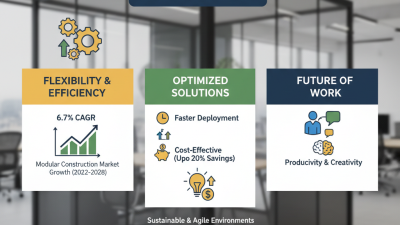
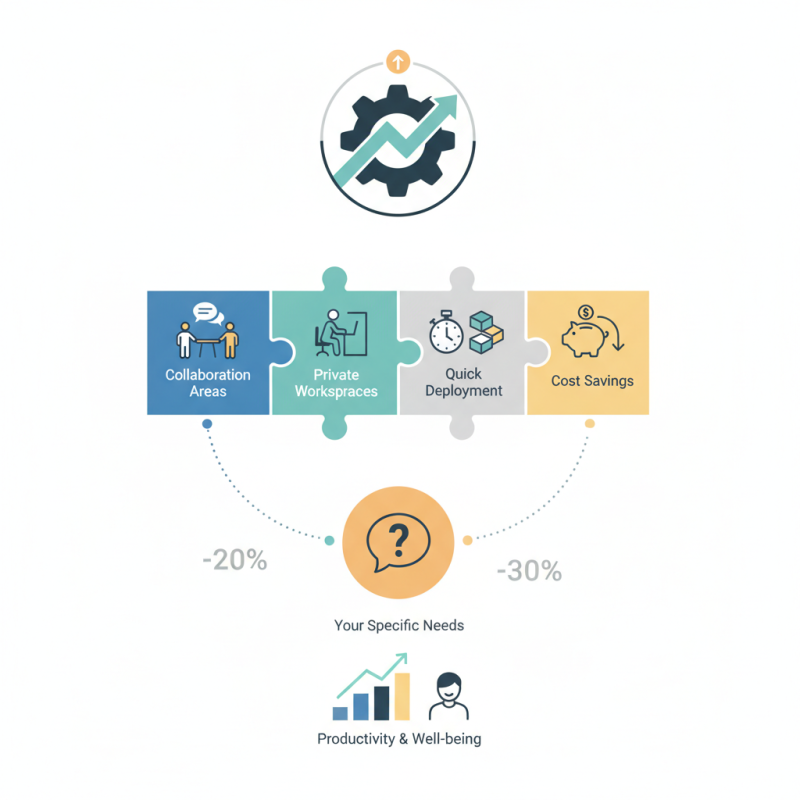
Choosing the right modular office space can significantly impact productivity and employee well-being. A report from the International Facility Management Association indicates that well-designed workspaces can boost employee performance by 20%. As remote work increases, many businesses are turning to modular solutions for flexibility and cost savings.
Modular office spaces are customizable and adaptable, making them ideal for various business needs. According to a survey by Statista, 30% of companies favor modular setups for their quick deployment and reduced downtime. However, selecting the best option requires careful consideration of your specific requirements. Many options exist, which can lead to confusion.
Reflecting on the unique needs of your team can help guide your decision. Are collaboration areas essential? Do you need private workspaces? Understanding these aspects ensures you choose a modular office space that genuinely meets your operational demands.
Understanding the Different Types of Modular Office Spaces Available Today
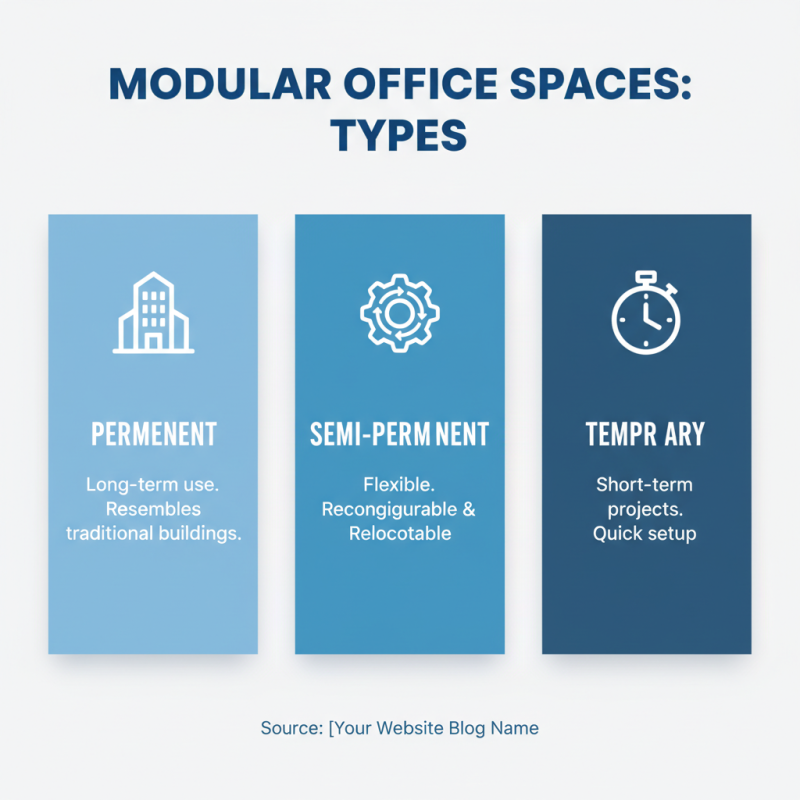
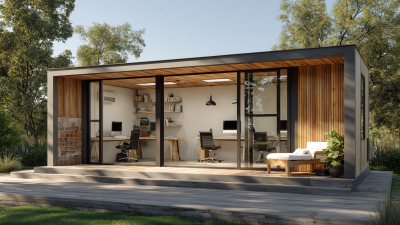
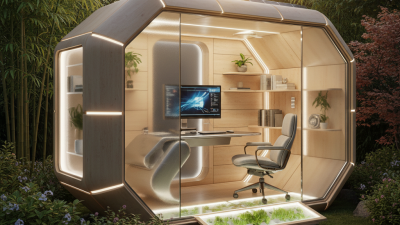
When selecting a modular office space, understanding the various types available is crucial. Modular offices can be categorized into permanent, semi-permanent, and temporary structures. Permanent modular offices are designed for long-term use and often resemble traditional buildings. Semi-permanent options offer flexibility, allowing for reconfiguration and relocation. Temporary modular offices are ideal for short-term projects and can be set up quickly.
Industry reports show that the demand for modular office spaces has surged by 20% annually. This shift is attributed to the increasing need for adaptable work environments. Companies are looking for spaces that can evolve alongside their workforce. An example is the rise in the popularity of co-working modular offices, which cater to freelancers and startups. These spaces foster collaboration and creativity but may lack the privacy some businesses prefer.
Additionally, sustainability plays a key role in office space selection. A report by the World Green Building Council indicates that modular buildings can reduce waste by 70%. However, sometimes the sustainable choice may not align with specific business needs. Evaluating costs and benefits can be challenging but essential for informed decisions. The right modular office space should align with both aesthetic and functional requirements while remaining flexible for future growth.
Evaluating Your Space Requirements: Size, Layout, and Functionality
Choosing the right modular office space involves careful consideration of your unique requirements. The key aspects to evaluate are size, layout, and functionality. Think about the number of employees. A small team may need a compact design, while larger groups often require more open space. Your initial estimate might change as your business grows.
Tip: Consider potential future needs. You might require more space in a few years. Modular design allows flexibility, so choose a layout that can adapt over time. Ensure each area promotes productivity. Open areas may encourage collaboration, while private offices can enhance focus.
Evaluate how the layout supports your daily operations. Each department may have different needs. Sales teams benefit from close proximity to clients, while R&D requires quiet. Reflect on the functionality of each space. Deliverables and workflows should dictate your design, ensuring it serves your team effectively. Balancing aesthetics with practicality is crucial. A beautiful office is appealing, but it must be functional too.
How to Choose the Best Modular Office Space for Your Needs?
| Requirement |
Considerations |
Example Dimensions |
| Size |
Assess the number of employees and office equipment |
1000 - 2000 sq ft |
| Layout |
Consider open vs. closed office layout |
Open Plan, Private Offices |
| Functionality |
Identify specific requirements such as meeting rooms and communal spaces |
1-2 Meeting Rooms, Breakout Areas |
| Accessibility |
Evaluate proximity to public transport and parking availability |
Close to Bus and Train Stations |
| Cost |
Analyze budget constraints for leasing and utilities |
$15 - $25 per sq ft / year |
Assessing Cost-Effectiveness: Budgeting for Modular Office Solutions
When budgeting for modular office solutions, it's essential to assess your needs accurately. Identify the required space, layout, and amenities. A clear understanding of these factors can help optimize your budget, avoiding unnecessary expenses. For instance, determine if you need private offices, open workspaces, or both. Each choice impacts costs significantly.
Consider hidden costs in addition to base prices. Delivery fees, installation expenses, and utilities may add up quickly. Always ask for a complete breakdown of costs. Some firms may underquote initially. You could be surprised later by unexpected charges. It's crucial to include a contingency budget for unforeseen circumstances.
Evaluate the long-term benefits of investing in modular spaces. They can often reduce overhead costs and enhance workspace flexibility. Additionally, a well-designed office can increase employee productivity and satisfaction. However, remember that not all modular options provide equal value. Research thoroughly, and seek expert opinions when necessary. Balancing initial investment against future savings requires careful thought. Reflect on what truly aligns with your organization's goals.
Analyzing Customization Options: Tailoring Modular Spaces to Your Brand
When selecting modular office space, customization plays a critical role. Tailoring these spaces to reflect your brand can enhance employee satisfaction and productivity. According to a report by the International Workplace Group, 85% of employees feel more engaged in personalized environments. Therefore, understanding the customization options can significantly impact your workplace culture.
Several features deserve attention. Consider the use of color schemes that align with your brand identity. A bright, inviting color can inspire creativity, while neutral tones may promote focus. Additionally, incorporating flexible layouts can accommodate various team dynamics. Accenture found that 70% of workers prefer settings that adapt to their tasks. Overall, a thoughtful approach to design is crucial for fostering a stimulating atmosphere.
Tip: Engage your team in the design process. Their insights might reveal preferences that align with functionality and aesthetics.
Another aspect is integrating technology. Smart office solutions can optimize space usage. Data from McKinsey illustrates that the use of technology in workplaces can increase operational efficiency by 20%. This blend of technology and personal touch can lead to innovative solutions and a motivating work environment.
Tip: Examine the long-term sustainability. Investing in modular solutions can reduce future costs and environmental impact. Regular audits of your space can reveal areas for improvement, ensuring your office evolves with your brand.
Exploring Regulatory Compliance: Key Permits and Building Codes to Consider
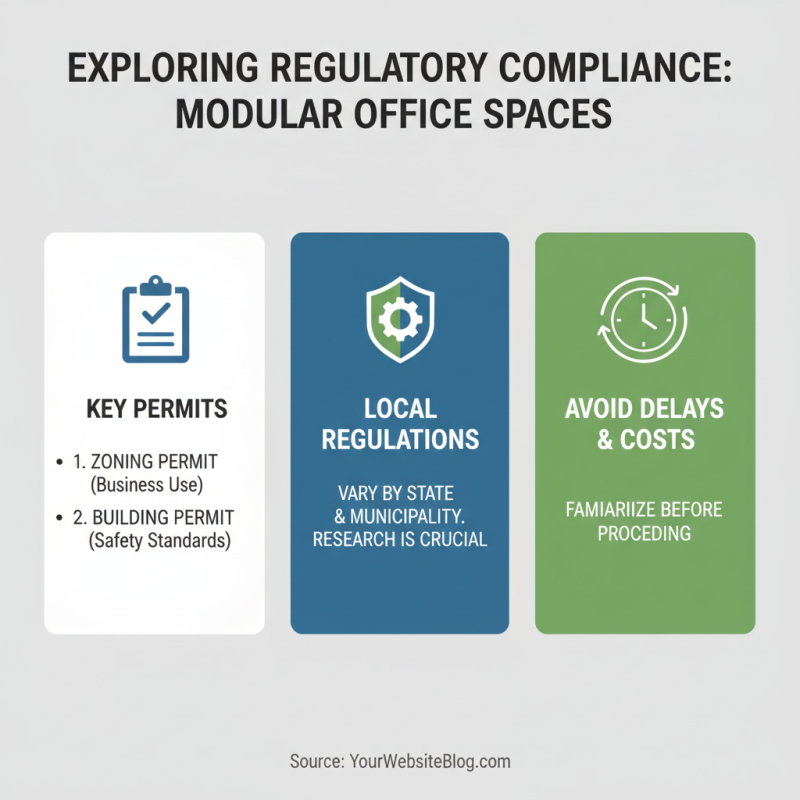
When selecting a modular office space, compliance with local regulations is crucial. Research the necessary permits to avoid costly delays. Each state and municipality may have unique requirements. For example, zoning permits ensure the space is suitable for business use. Building permits are essential as they guarantee that construction meets safety standards. Familiarize yourself with these aspects before proceeding.
Another vital consideration is building codes. These codes dictate structural integrity, plumbing, and electrical systems. Adhering to these codes is non-negotiable. Non-compliance can lead to fines or even a requirement to dismantle your office. Consult with local authorities to understand specific building codes applicable to your project.
Despite the best planning, regulatory compliance can be complex. Unexpected issues may arise, leading to frustration. Staying informed about updates in regulations can help mitigate these challenges. Engage with professionals who have experience in modular constructions. Their insights can save you time and resources. A proactive approach ensures that you navigate the compliance landscape effectively.