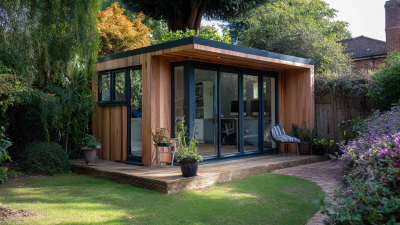
How to Choose the Best Prefab Home Office for Your Needs?
In today's remote work environment, many find that a prefab home office is ideal for balancing productivity and comfort. Renowned architect Emily Johnson, an expert in prefab designs, emphasizes, "A prefab home office blends functionality with aesthetics, creating a perfect workspace." Choosing the best prefab home office requires careful consideration of various factors.
You should explore design options. Think about size, layout, and materials. Each decision impacts your workspace's effectiveness. For instance, a well-ventilated area can boost creativity. On the other hand, inadequate space may lead to discomfort and distraction. Reflecting on your daily activities can guide your choices.
Do not overlook the importance of location. The prefab unit should complement your property. It should also remain accessible and quiet. A poorly placed office can disrupt work-life balance. Ultimately, your prefab home office should align with your personal and professional needs.
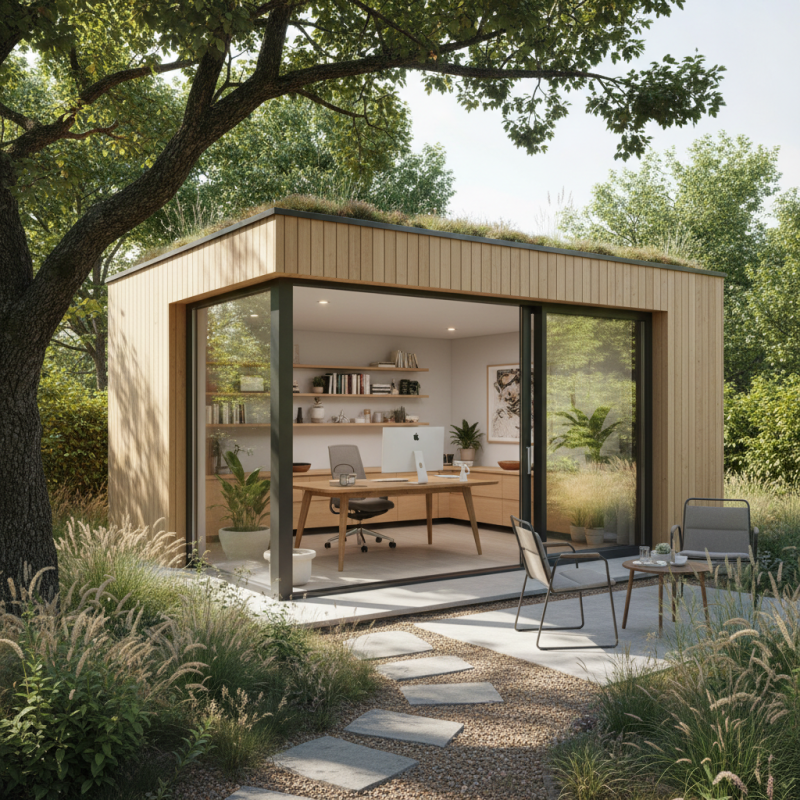
Understanding Your Space Requirements for a Prefab Home Office
When selecting a prefab home office, understanding your space requirements is essential. Assess your work habits and the tasks you frequently perform. Do you need a quiet area for focused work or a collaborative space for meetings? This clarity will guide your decision-making. Consider dimensions carefully. A cozy nook may suit a solo worker, while a larger setup might benefit a team.
Lighting plays a crucial role in how you feel in your office. Natural light can boost productivity and mood. Check potential locations for windows and orientation. Also, think about storage needs. Will you require shelving for books or files? Plan for both immediate and long-term storage solutions.
Don't overlook the layout. Visualize your daily routine. Will you frequently shift from desk to area for brainstorming? Create pathways that allow for ease of movement. Reflect on these points. Designing your space is not just about aesthetics; it's about creating a workflow that supports your productivity and comfort. Consider what makes you feel inspired and functional in a workspace.
Evaluating the Features and Amenities of Prefab Home Offices
When selecting a prefab home office, features and amenities play a crucial role. Consider the layout and size that fits your work style. Open spaces foster creativity, while smaller nooks can enhance focus. Look for natural light; windows can significantly impact your mood and productivity. Insulation is also vital for climate control and noise reduction.
Think about essential amenities, too. High-speed internet access is a must for modern work. Adequate electrical outlets for devices are essential, as well. Many prefabs come with built-in storage, maximizing your space efficiency. Some may include features like a kitchenette, which is convenient for long work sessions.
Tip: Reflect on your daily needs. Do you require a separate meeting area? Or perhaps soundproofing for calls? Prioritizing these aspects will help tailor your prefab home office to your specific requirements. Remember, choosing the right office means creating an environment that supports your work and lifestyle. Always question if the space promotes your best work or if adjustments are needed.
Considering Design Styles and Aesthetics for Your Home Office
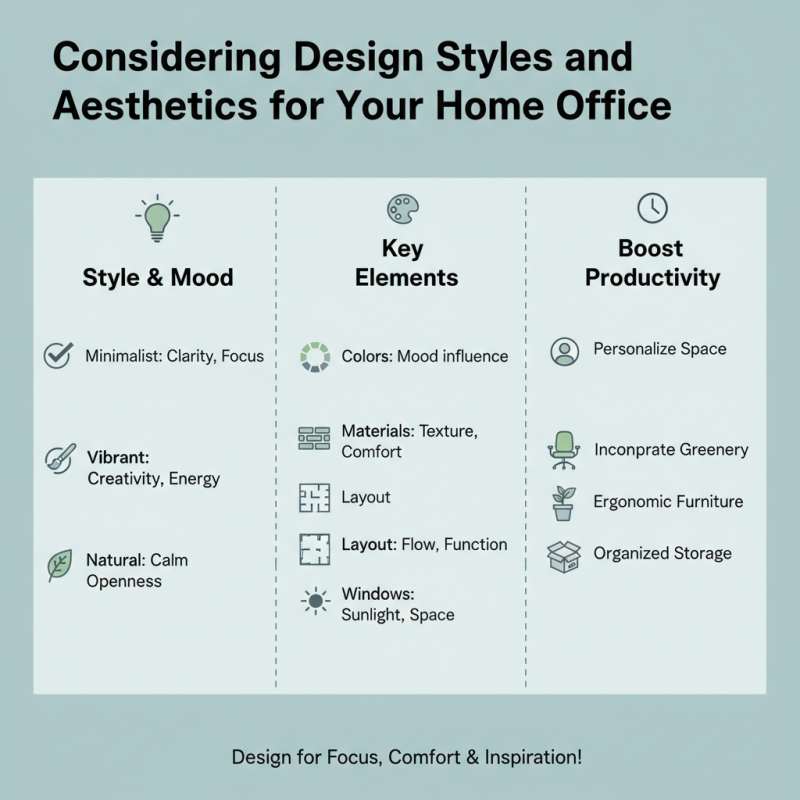
When selecting a prefab home office, aesthetics play a vital role. The design should reflect your personal style while also promoting productivity. Consider how colors, materials, and layouts affect your mood and focus. A clean, minimalistic space can foster clarity, while vibrant colors might inspire creativity. Think about incorporating natural elements. Large windows that let in sunlight can make a small office feel more open and inviting.
Your prefab office can be a canvas for self-expression. Combining different design styles can create a unique atmosphere. For instance, blending modern elements with rustic features can give your workspace character and warmth. However, not every combination works seamlessly. Reflect on what resonates with you personally. Perhaps you prefer a sleek, contemporary feel over a cozy cottage vibe. Every detail matters, from the type of desk to the choice of decor. This thoughtful design approach can enhance your work environment significantly.
Assessing Budget Options and Financial Considerations
When considering a prefab home office, budget plays a crucial role. According to a report by the International Code Council, the average cost for a prefab office can range from $50 to $200 per square foot. This price varies based on materials, size, and design complexities. Buyers often underestimate these factors, leading to financial strain. Setting a clear budget not only helps in selecting the right size but also in choosing essential features.
Financing options for prefab structures are diverse. Many buyers explore personal loans or home equity lines of credit. According to the Home Loan Bank, around 60% of homeowners leverage such options when purchasing prefab units. However, it's important to factor in the ongoing maintenance costs, which can average around 1% of the home’s value annually. This can significantly impact long-term financial planning.
Evaluate potential resale value as well. A report from the National Association of Realtors highlights that well-designed home offices can increase property value by up to 10%. While this is promising, too often, the uniqueness of a prefab design leads to quicker depreciation. Understanding market trends is essential. Make informed decisions by researching local real estate developments and comparing prefab values.
Comparison of Home Office Setup Costs
This bar chart illustrates the estimated costs associated with setting up a prefab home office based on various needs. The data reflects typical expenses including furniture, technology, and installation for different office sizes.
Researching Local Regulations and Installation Requirements for Prefabs
When considering a prefab home office, understanding local regulations is crucial. Many regions have specific zoning laws affecting prefab structures. For instance, a study by the National Association of Home Builders indicates that 35% of local regulations create obstacles for prefab construction. This can affect where you can place your office. Be aware that requirements vary significantly from one municipality to another.
Installation requirements also play a vital role. Some areas may require foundation permits or inspections before you can set up your prefab office. In San Francisco, nearly 60% of prefab installations needed additional structural reviews due to seismic safety regulations. This can delay your project's timeline, so it’s important to research thoroughly. Building codes, fire safety regulations, and access to utilities are other factors to consider.
Finally, don't forget to check any homeowners' association rules. They might have restrictions on the aesthetics of prefab buildings. A survey found that 45% of homeowners faced challenges with design conformity. Thus, while prefab homes offer flexibility, the varying regulations can complicate your plans. Always ensure you have accurate, up-to-date information to avoid future headaches.
How to Choose the Best Prefab Home Office for Your Needs? - Researching Local Regulations and Installation Requirements for Prefabs
| Feature |
Description |
Local Regulations |
Installation Requirements |
| Size |
Common sizes range from 100 to 400 sq ft. |
Check local zoning laws for size restrictions. |
May require a foundation or specific grounding. |
| Materials |
Wood, metal, and eco-friendly options available. |
Building codes may dictate material standards. |
Some materials may require specific installation methods. |
| Utilities |
Electricity, heating, and plumbing options vary. |
Regulations on utility connections differ by location. |
Proper permits needed for utility installation. |
| Accessibility |
Consider proximity to your main home. |
Ensure compliance with accessibility standards. |
Access routes may need to be built or maintained. |
| Cost |
Prices can range widely based on features. |
Financing options may vary based on location. |
Installation costs can add significantly to the price. |