What is a Conex Container Home and Why Are They Popular for Affordable Living
As the search for affordable housing solutions intensifies amidst rising living costs and urbanization trends, a growing number of individuals are turning to unconventional options like conex container homes. These structures, originally designed for shipping goods globally, have gained traction in the housing market due to their cost-effectiveness and versatility. According to the Container Housing Report by Market Research Future, the global market for container homes is projected to witness substantial growth, driven by the increasing demand for sustainable and economical living spaces.
Conex container homes are not only an economical choice but also offer an innovative answer to the ongoing housing crisis. A study conducted by the National Association of Home Builders indicates that approximately 70% of homebuyers consider affordability as their top priority, while additional research suggests that modular and alternative building techniques can reduce construction costs by up to 20%. The modular design of conex container homes allows for efficient construction timelines, minimizing labor costs and providing an attractive solution for those looking to enter the housing market without incurring significant financial burdens.
As communities and policymakers search for sustainable development strategies, the appeal of conex container homes extends beyond affordability. These homes can be designed to meet various aesthetic tastes and environmental standards, making them a suitable option for eco-conscious homeowners. With the potential for customization and environmental benefits, conex container homes present an appealing alternative to traditional housing solutions in an ever-evolving real estate landscape.
What is a Conex Container Home?
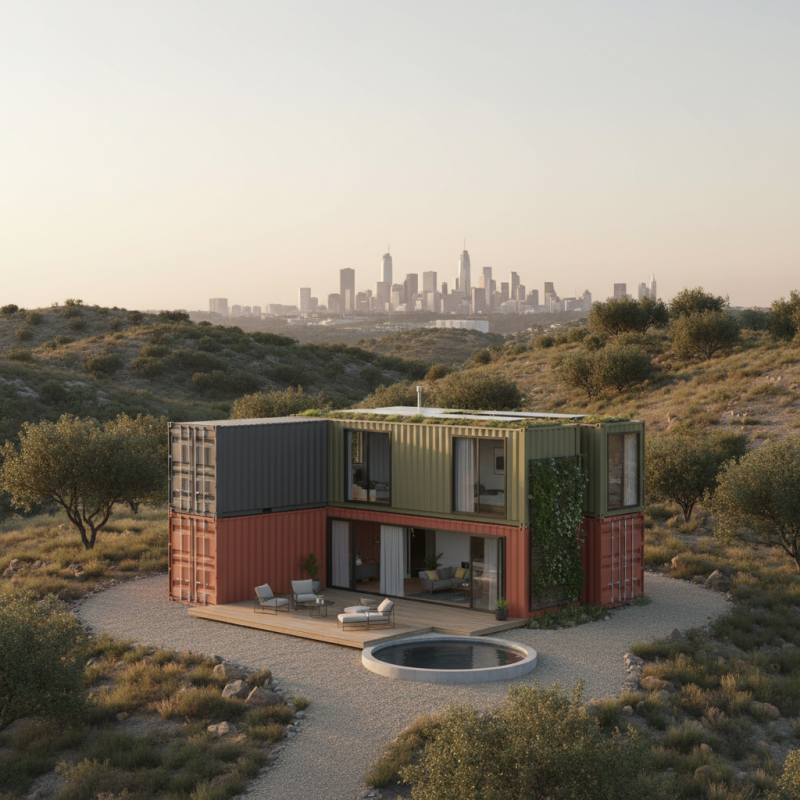
A Conex container home, also known as a shipping container home, is a type of housing that utilizes repurposed intermodal containers as the primary structure. These steel boxes, originally designed for transporting goods across oceans, have gained traction as innovative housing solutions due to their durability, versatility, and cost-effectiveness. Constructing a home from a Conex container involves minimal modification, allowing for a relatively quick building process while maintaining a unique aesthetic appeal.
The popularity of Conex container homes stems from several factors. First, they provide a sustainable alternative to traditional housing. By repurposing used containers, homeowners can significantly reduce waste and environmental impact. Additionally, the modular design of container homes offers flexibility in layout and customization, appealing to a wide range of tastes and needs. Furthermore, the affordability of Conex homes makes them an attractive option for many. Their relative low cost compared to conventional homes allows individuals and families to invest in vibrant living spaces without incurring substantial debt, making homeownership more accessible.
The History and Evolution of Conex Container Homes
Conex container homes, often known for their cost-effectiveness and sustainability, have evolved significantly since their inception. Originally designed for the transportation of goods, these steel containers gained traction in the 20th century as a versatile building block for homes and commercial spaces. The growing trend of affordable living has sparked interest in creative and eco-friendly housing solutions, leading to the rise of container homes. According to a report by the National Association of Home Builders, the median home price in the U.S. has skyrocketed, making alternative housing options increasingly desirable. This surge in popularity has led to container homes being recognized not only for their low cost—averaging around $10,000 to $30,000 for basic models—but also their efficiency in minimizing construction waste.
As the Conex container home concept gained momentum, innovations in design and functionality followed. Architects and builders began experimenting with modifications to meet modern living standards, emphasizing energy efficiency and aesthetic appeal. A study from the International Journal of Architectural Research highlights that these structures can be adapted for various climates, making them suitable for diverse neighborhoods. Container homes typically consume less energy, due to their smaller footprint and effective insulation, further accelerating their popularity among environmentally conscious consumers.
Tips: If you're considering a Conex container home, check local building codes as they can vary significantly by location. Additionally, working with a professional experienced in container modifications can ensure not only compliance but also that the design meets your lifestyle needs. Emphasizing sustainability, consider incorporating solar panels and rainwater harvesting systems to enhance the eco-friendly aspect of your container home.
What is a Conex Container Home and Why Are They Popular for Affordable Living - The History and Evolution of Conex Container Homes
| Feature |
Description |
Benefits |
Historical Context |
| Material |
Steel Shipping Containers |
Durable, weather-resistant, sustainable |
First used in post-WWII reconstruction |
| Cost |
Generally lower than traditional housing |
Affordability attracts first-time homebuyers |
Commercial shipping options reduce costs |
| Customization |
Easily modified for various uses |
Versatile living spaces, unique designs |
Became popular for artistic and architectural experiments |
| Sustainability |
Recycling of surplus shipping containers |
Reduces waste, eco-friendly living option |
Emergence of green building practices |
| Mobility |
Can be transported via truck or ship |
Ideal for those seeking a nomadic lifestyle |
Favorable for transient populations or workers |
Benefits of Living in a Conex Container Home
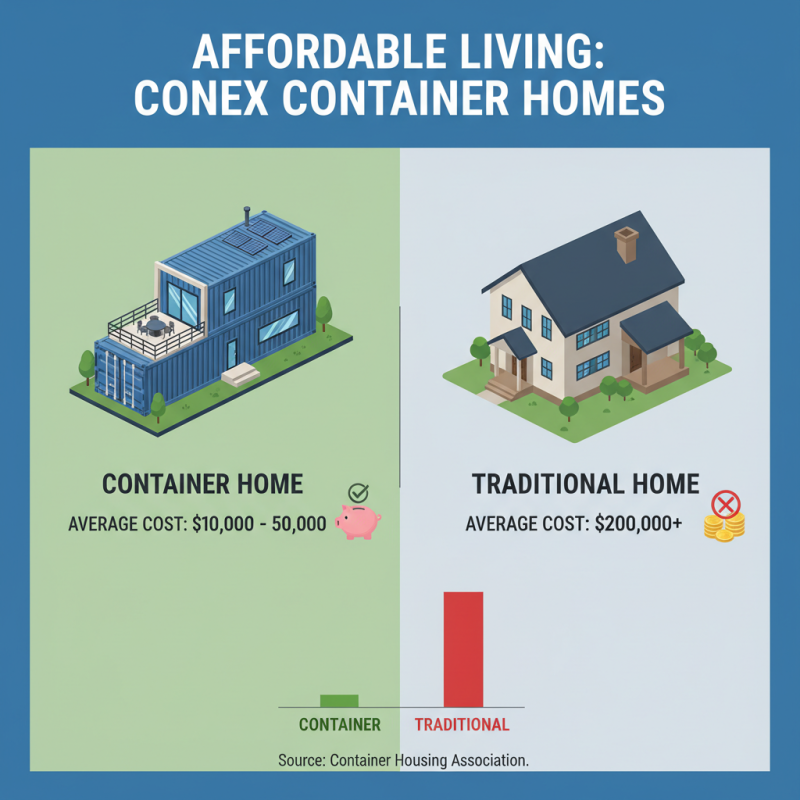
A Conex container home, crafted from repurposed shipping containers, is gaining traction as an affordable living solution amidst rising housing costs. According to a report from the Container Housing Association, the average cost of constructing a container home ranges between $10,000 and $50,000, significantly lower than traditional housing options where costs can exceed $200,000. This cost-effectiveness appeals to a diverse demographic, including first-time homebuyers and those seeking to downsize.
One of the primary benefits of living in a Conex container home is sustainability. With over 500,000 shipping containers sitting idle in ports across the globe, converting these containers into homes presents a viable solution to recycling and waste reduction. A study by the International Journal of Environmental Science highlights that building with recycled materials can reduce construction waste by up to 60%. Additionally, container homes can be designed with eco-friendly features such as solar panels and rainwater harvesting systems, further enhancing their appeal as a green living option.
Space efficiency is another compelling advantage. Shipping containers are designed to be durable and modular, making them suitable for creative layouts tailored to individual needs. The average shipping container provides about 160 square feet of living space, allowing for innovative designs that maximize functionality without sacrificing comfort. This versatility not only caters to various lifestyles but also promotes community living, as multiple units can be arranged to create shared spaces, fostering a sense of connection among residents.
Design and Customization Options for Container Homes
Container homes have surged in popularity due to their affordability and unique design opportunities. One of the most appealing aspects of container homes is their customization potential. Homeowners can select from various configurations, layouts, and finishes to create a living space that reflects their personal style. According to a report by the Container Housing Association, up to 80% of container home owners appreciate the versatility in design that allows for integration with sustainable features, such as solar panels and green roofs. This customization not only enhances visual appeal but also promotes a more eco-friendly lifestyle.
When considering design options, there are numerous ways to transform a basic shipping container into a standout home. Interior spaces can be modified for open floor plans, integrating large windows for natural light, or implementing multi-functional furniture to maximize usability. Additionally, exterior modifications like paint, additional cladding, or landscaping can significantly affect the overall aesthetic. A survey indicated that nearly 65% of individuals choose container homes for their unique aesthetics and ability to stand out in conventional neighborhoods.
Tips: When customizing your container home, prioritize insulation and ventilation to create a comfortable living environment. Additionally, consider using repurposed materials for interior finishes to enhance sustainability and reduce costs. Always check local zoning laws before beginning your project to ensure compliance with regulations.
Challenges and Considerations in Building Container Homes
Building a Conex container home presents unique challenges that potential homeowners must consider. Although these structures have gained popularity as affordable living options, their conversion requires careful planning and attention to detail. For instance, one must navigate issues such as insulation, plumbing, and electrical wiring, which can be more complex than in traditional homes. A report from the Container Housing Institute indicates that inadequate insulation can lead to temperature fluctuations, making it crucial to select the right materials and methods.
Another challenge is ensuring compliance with local building codes and zoning regulations. Many areas have specific guidelines that govern the use of shipping containers as residences. Homeowners should proactively consult local authorities to avoid potential legal issues, which could lead to costly delays or modifications later on.
**Tips:**
When considering a container home, it’s advisable to invest in professional architectural and engineering assistance to facilitate a smoother design and build process. Additionally, conducting a thorough site analysis can help mitigate potential environmental challenges, such as drainage and foundation stability. Lastly, considering sustainability practices—such as rainwater harvesting or solar panels—can enhance the home's long-term livability and affordability.
Popularity of Conex Container Homes by Key Features
The chart illustrates the importance of various key features of Conex container homes in the context of affordable living. Affordability ranks the highest, followed by sustainability and durability, making these homes a popular choice for those seeking economical housing solutions.