


Top

10 Tips for Buying a Modern Log Cabin?

Buying a Modern Log Cabin is not only a design decision. It is a long-term investment in comfort, land, maintenance, and daily routines.

Rob Roy, a respected log-home designer and author, offers a useful principle: “Build small, build simply, and build well.” His advice remains practical today. A beautiful cabin can still become expensive if its logs, insulation, roof, windows, and drainage are poorly matched to the site. Look closely at the materials. Notice the joinery. Ask how moisture will leave the walls after heavy rain.

The best choices begin before visiting a showroom. Measure the land, study winter sunlight, and check access for delivery vehicles. Think about heating costs, ventilation, plumbing routes, and future repairs. A dramatic wall of glass may look impressive, but it can create glare, heat loss, or privacy problems. Small details matter.

No checklist is flawless.

These ten tips will help buyers compare builders, floor plans, finishes, warranties, and realistic project costs. They also encourage a slower review of personal needs. Do you want a quiet retreat, a permanent home, or a rental property? The answer changes the design.

Experience matters here. So does independent advice from qualified builders, surveyors, and energy professionals. Do not rely only on attractive photographs or confident sales language. Visit completed cabins when possible. Open the windows. Feel the indoor temperature. Ask owners what they would change.

A Modern Log Cabin should feel natural, efficient, and durable. It should also fit your budget without constant compromise.
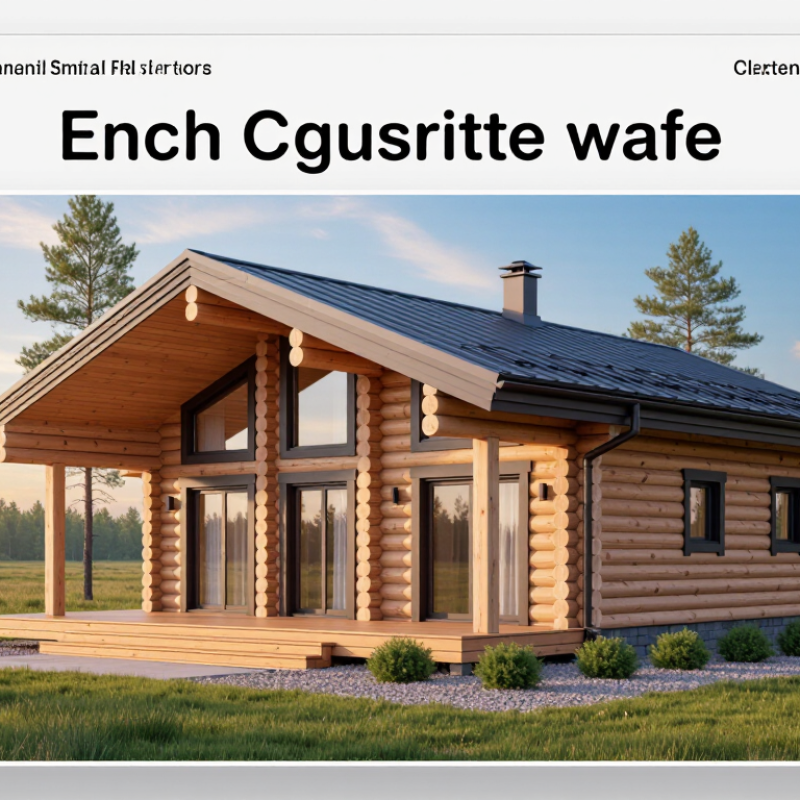
10 Tips for Buying a Modern Log Cabin?

Define Your Modern Log Cabin Goals, Budget, and Essential Features

Buying a modern log cabin begins with a clear picture of daily life, not glossy images. Decide whether it will serve as a weekend retreat, full-time home, or rental property. Write essential features before visiting listings, such as two bedrooms, reliable internet, large windows, or accessible storage. Separate needs from attractive extras. This list limits emotional overspending, although it may change later.

Tip 1: Create a complete budget before making an offer. Include the cabin price, land preparation, foundation work, utility connections, permits, insurance, taxes, and regular log maintenance. Keep a contingency reserve of at least 15 percent for hidden costs. A local surveyor, contractor, or building inspector can identify expensive site problems. Their advice is usually cheaper than correcting poor assumptions.

Tip 2: Inspect the structure carefully. Check log moisture, wall gaps, roof edges, drainage, ventilation, and signs of insects or rot. Use an independent inspector with relevant timber-building experience. Tip 3: Test every essential feature in person. Run taps, inspect heating controls, measure storage, and check internet and mobile signals. Visit during poor weather if possible. A beautiful view is not enough. I once underestimated winter access, and that mistake would have affected every visit. Consider snow clearance, emergency access, and the cabin’s insulation before choosing modern finishes over practical performance.

Evaluate the Building Site, Local Climate, Access, and Regulations

A modern log cabin begins with its building site, not its floor plan. FEMA’s National Risk Index evaluates 18 natural hazards, including floods, wildfires, and landslides. Review those risks before ordering materials. A geotechnical report can reveal shallow bedrock, unstable fill, or poor drainage. Walk the property after heavy rain. Water often exposes problems that a sunny inspection hides.

Tip: Check slope, soil, drainage, and flood maps.

Local climate affects every log joint and roof detail. The USDA Forest Products Laboratory explains that wood changes dimension as its moisture content changes. In wet regions, specify generous roof overhangs, raised foundations, and breathable finishes. In snowy areas, confirm local snow-load requirements with a qualified engineer. In wildfire-prone zones, ask about ember-resistant vents and defensible space. I would not trust a generic “four-season” claim without climate-specific calculations.

Tip: Match wall, roof, and foundation details to local weather.

Access deserves equal attention. Measure the narrowest road, bridge limits, turning areas, and delivery clearance. A large crane truck may need more space than expected. Confirm year-round access for emergency vehicles and winter maintenance. Then check permits, setbacks, septic rules, energy codes, and shoreline restrictions. The International Residential Code provides model requirements, but local authorities may amend them. That detail is easy to miss. It can delay construction for months.

Tip: Obtain written answers from the planning office before signing.

Choose the Right Cabin Design, Layout, Materials, and Energy Systems

10 Tips for Buying a Modern Log Cabin

Choose the Right Cabin Design, Layout, Materials, and Energy Systems

1. Study the site before choosing a design. Sunlight, slope, wind, and road access affect comfort and construction costs.

2. Select a layout that matches daily routines, not just attractive drawings. Place bedrooms away from noisy living areas.

3. Check ceiling height carefully. A dramatic open roof can increase heating demand.

4. Plan storage early. Wet coats, tools, and firewood need practical spaces.

5. Compare wall materials by durability, insulation, and maintenance needs. Timber feels warm, but exposed surfaces require regular inspection.

6. Ask how joints, roof edges, and windows resist moisture. Small gaps can create expensive problems.

7. Confirm the floor structure suits local ground conditions. A raised cabin may improve drainage, but it can feel colder underneath.

8. Review the energy system as a complete package. Insulation, ventilation, heating, and glazing must work together.

9. Estimate winter energy use with realistic occupancy figures. Occasional use and full-time living require different systems. Solar power can help, yet batteries and backup heating still need planning.

10. Request clear drawings, material specifications, and maintenance schedules before signing. Vague promises are not technical evidence.

I have seen buyers focus on beautiful logs and overlook drainage details. That mistake is easy to repeat.

Leave room for revision. A slightly smaller cabin may provide better comfort, lower running costs, and simpler repairs.

Compare Builders, Construction Methods, Timelines, and Warranty Coverage

10 Tips for Buying a Modern Log Cabin

Compare builders by documented experience, not polished galleries. Ask for recent project addresses, moisture-control details, and independent references. The National Association of Home Builders, using U.S. Census Bureau data, reported an average construction period of about 8.9 months for new homes in 2023. Log cabins may take longer when site access, custom milling, or weather interrupts delivery. A realistic schedule includes permits, foundation work, shell assembly, utilities, inspections, and interior finishing. Get every stage in writing.

Construction methods affect maintenance and performance. Solid-log walls offer a distinctive appearance, but they require careful settling, sealing, and moisture management. Post-and-beam frames can provide wider interior spaces and more flexible insulation systems. Panelized sections may reduce site labor, although transportation limits can create unexpected costs. Ask how the builder handles air sealing, roof overhangs, drainage, and ventilation. Small details matter.

Review the warranty line by line. A useful document separates structural coverage from finishes, windows, roofing, sealants, and appliances. The Federal Trade Commission advises consumers to understand written warranty terms, exclusions, and repair procedures before purchase. Confirm who pays for travel, labor, and replacement materials. Also check whether coverage transfers to a future owner. Many buyers focus on the cabin’s appearance and overlook maintenance duties. That mistake is easy to make. I would still request an independent inspection before final payment, because a beautiful wall can hide a small leak.

Inspect the Finished Cabin and Plan for Long-Term Maintenance

Buying a modern log cabin should begin with a careful inspection of the finished structure, not attractive renderings. Walk through it after rain, when leaks and drainage problems are easier to notice. Check wall joints, roof edges, window seals, and the underside of decks. Look closely. A qualified inspector can use a moisture meter around bathrooms, kitchens, and shaded corners. Record readings, photographs, and unfinished details before signing final papers. Fresh sealant can hide movement, but it cannot correct poor drainage.

Ask how the logs were dried, treated, and joined. Request maintenance instructions, inspection records, and information about previous repairs. Examine the foundation for cracks, uneven floors, or water staining. Open and close every window. Test ventilation in wet rooms, because trapped humidity encourages mold and wood decay. Inspect electrical and plumbing work through approved professionals where access is limited. Their report may feel overly cautious, yet small defects often become expensive after the first winter.

Build a maintenance calendar before moving in. Plan seasonal checks for roof coverings, gutters, exterior stain, sealants, fasteners, and pest activity. Keep soil, firewood, and dense plants away from log walls. Recheck exposed surfaces after storms and prolonged sun. I once underestimated how quickly one neglected gutter could darken a lower log. That mistake changed my inspection habits. Maintenance costs should sit in the ownership budget, even when the cabin looks flawless. Perfection is temporary. Good records make repairs easier and reveal recurring problems.

10 Tips for Buying a Modern Log Cabin? - Inspect the Finished Cabin and Plan for Long-Term Maintenance

Tip Inspection Area What to Check Practical Benchmark or Action Suggested Timing Potential Consequence
1 Log walls and joints Look for open joints, large cracks, soft timber, insect holes, staining, and gaps around corners or openings. Ask for a qualified inspection if decay, movement, or water entry is suspected. Record every affected location with photographs. Before purchase and during each annual inspection Air leakage, water intrusion, structural deterioration, and expensive repairs
2 Moisture and drainage Check roof overhangs, gutters, downspouts, splashback, damp soil, and vegetation touching the walls. Downspouts should discharge water away from the foundation, and soil should slope away from the cabin wherever site conditions allow. After heavy rain and at least twice per year Rot, mold, foundation movement, and freeze-related damage
3 Exterior finish Inspect the stain or coating for peeling, chalking, fading, exposed wood, and uneven weathering. Use only a compatible exterior wood finish, and follow the coating manufacturer’s preparation and recoat instructions. Review annually; recoat when the finish no longer repels water Ultraviolet damage, moisture absorption, and accelerated surface wear
4 Roof and attic Check the roof covering, flashing, penetrations, attic ventilation, insulation, and signs of leaks. Confirm that roof drainage is clear and that bathrooms, kitchens, and dryers exhaust outdoors rather than into the attic. Annually and after severe weather Hidden moisture, insulation damage, mold, and roof deterioration
5 Windows and doors Open and close every unit, inspect seals and flashing, and look for condensation, drafts, or water stains. Verify that frames are square, weatherstripping is continuous, and exterior sealant is intact. At purchase and every spring and autumn Heat loss, drafts, interior condensation, and localized rot
6 Foundation and settlement Look for cracks, uneven floors, sticking doors, gaps at window frames, and changes in wall alignment. Compare current conditions with construction records and request a structural assessment for significant or expanding cracks. Before purchase and whenever movement is noticed Door and window damage, plumbing stress, and structural instability
7 Electrical system Check the service panel, outlets, exterior fixtures, ground-fault protection in wet areas, and visible wiring. Use a licensed electrician for alterations or faults; test safety devices according to their instructions. Test safety devices regularly and inspect the system before major renovation Electric shock, fire risk, outages, and failed inspections
8 Heating, ventilation, and indoor air Run the heating system, inspect filters, confirm bathroom ventilation, and check for persistent condensation. Keep indoor humidity under control during cold weather and maintain clear ventilation paths. Check seasonally; replace or clean filters as specified for the equipment Mold growth, poor comfort, high energy use, and wood moisture problems
9 Plumbing and water systems Check under sinks, around toilets, at water heaters, and near pipe penetrations for leaks or staining. Identify shutoff valves, protect exposed pipes from freezing, and service private water or wastewater systems as required locally. Monthly visual check and before seasonal vacancy Water damage, frozen pipes, contamination, and service interruption
10 Maintenance records and budget Request permits, inspection reports, material details, repair invoices, finish records, and appliance service history. Create a maintenance calendar and reserve funds for routine sealing, roof work, drainage repairs, equipment servicing, and unexpected defects. Review documents before closing; update the plan every year Missed maintenance, uncertain repair costs, and reduced property value

Inspection note: A finished-cabin review should supplement, not replace, an independent inspection by appropriately qualified professionals. Local building, electrical, fire-safety, and wastewater requirements should also be verified before purchase.