Explore Modular Containers at the 139th Canton Fair?
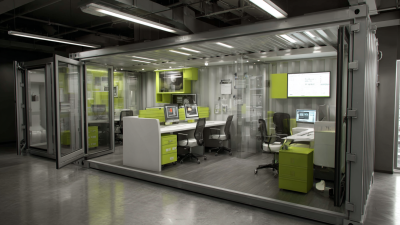
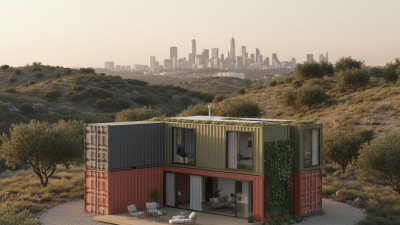
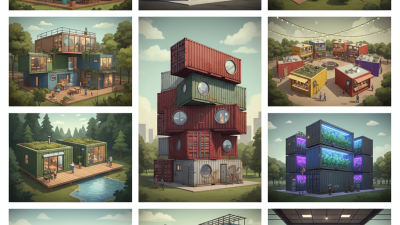
The 139th Canton Fair, scheduled for April 2026, will feature innovative displays of modular containers. These versatile structures are gaining traction in various industries. They offer solutions for manufacturing, logistics, and even housing.
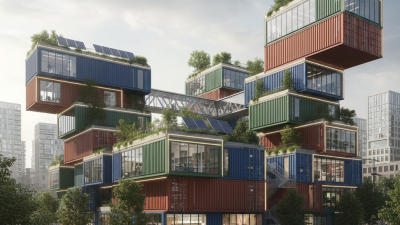
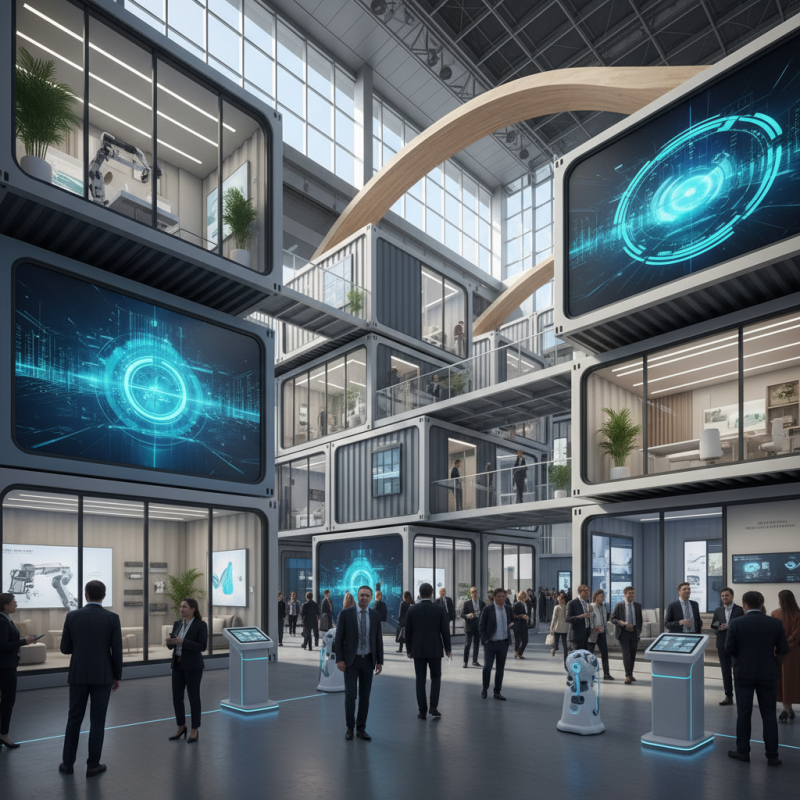
Attendees can explore the latest advancements in modular container technology. The fair provides a platform for companies to showcase their unique designs and applications. With the fair's emphasis on advanced manufacturing and new materials, visitors will discover how modular containers can enhance efficiency and sustainability.
However, challenges remain. Not all manufacturers meet the necessary certifications. Buyers must do their due diligence to ensure they select trustworthy suppliers. The integration of AI technology at this fair will aid in identifying compliant vendors. Attendees can leverage AI for precise navigation through the vast exhibition space, promoting effective engagement with featured innovations in modular containers.
Overview of Modular Container Technology
Modular container technology is transforming various industries. These containers are versatile and efficient, providing solutions for space and mobility challenges. According to a recent industry report, the global modular construction market is projected to grow at a CAGR of 6.5% by 2028. This growth reflects a rising demand for rapid construction and sustainability.
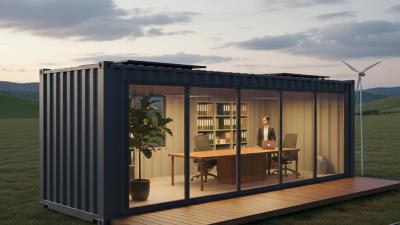
The beauty of modular containers lies in their adaptability. They can be used for offices, housing, and even pop-up shops. A survey indicated that 75% of companies using modular solutions reported higher operational efficiency. However, there are concerns. Some users find that container installations can be costly in certain regions, limiting their potential impact.
Sustainability is critical in today’s construction landscape. Modular containers produce less waste and can be made from recyclable materials. A study highlighted that modular buildings can reduce waste by 30% compared to traditional construction methods. Despite the advantages, challenges remain in standardization and regulations across regions. These complexities must be addressed to unlock the full potential of modular technology.
Explore Modular Containers at the 139th Canton Fair? - Overview of Modular Container Technology
| Feature |
Details |
Advantages |
Applications |
| Material |
Steel, aluminum, and composites |
Durability and weather resistance |
Temporary housing, pop-up shops |
| Customizability |
Available in various sizes and designs |
Tailored solutions for different needs |
Event spaces, offices |
| Transportability |
Easily transportable by truck or ship |
Reduced logistics costs |
Disaster relief, construction sites |
| Sustainability |
Recyclable materialsand energy-efficient designs |
Eco-friendly building solutions |
Green initiatives, remote locations |
| Cost-effectiveness |
Lower overall construction costs |
Budget-friendly for various projects |
Start-ups, mobile offices |
Applications of Modular Containers in Various Industries
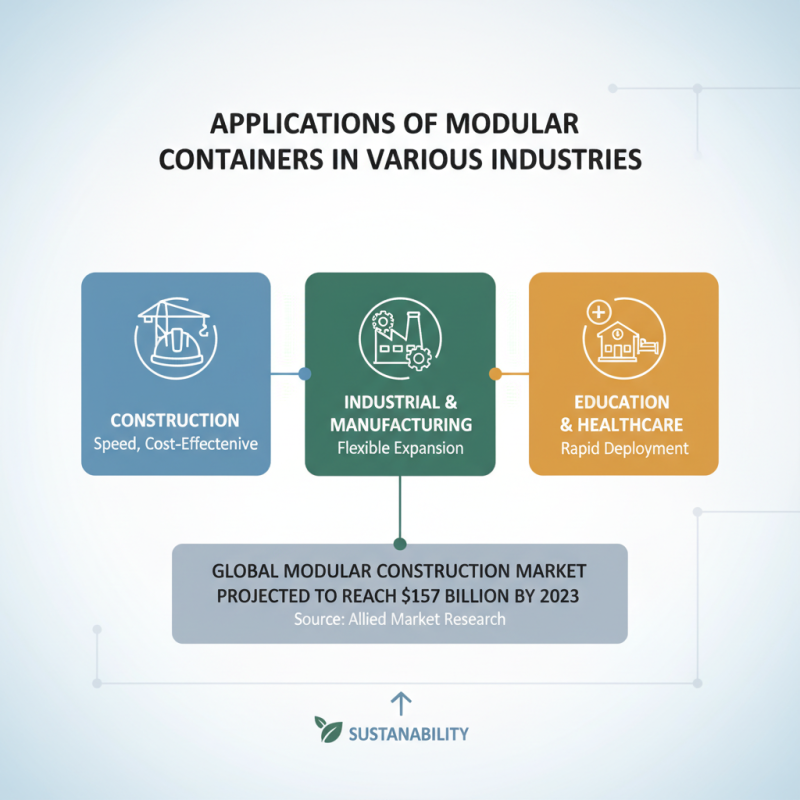
Modular containers are increasingly popular in various industries. Their versatility is undeniable. According to a recent report by Allied Market Research, the global modular construction market is projected to reach $157 billion by 2023. This growth is driven by factors like speed, cost-effectiveness, and sustainability.
In the construction sector, modular containers serve as temporary offices and storage units. They can be assembled quickly, often in days, reducing on-site construction time. This approach also minimizes waste. A case study showed that modular construction reduced building time by 50% compared to traditional methods. However, integration into existing urban areas can be challenging. Local zoning laws may need revisions, and community acceptance varies.
The healthcare sector utilizes these containers for mobile clinics and emergency response units. A report by the World Health Organization highlighted the importance of mobile healthcare solutions in remote areas. Modular containers can be easily transported and set up. Yet, ensuring a consistent healthcare service level across locations can be tricky. Staff training and resource allocation need careful planning. As the demand for modular solutions rises, industry stakeholders must reflect on these challenges.
Key Benefits of Using Modular Containers
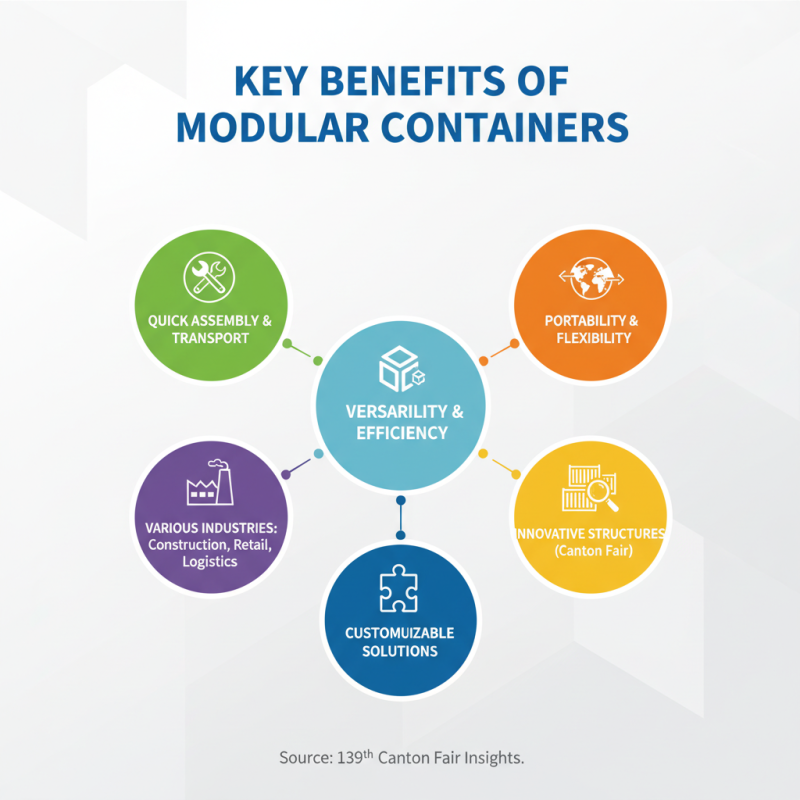
Modular containers have gained immense popularity due to their versatility and efficiency. They provide flexible solutions for various industries, including construction, retail, and logistics. The 139th Canton Fair serves as an excellent platform to explore these innovative structures. Buyers can see firsthand how these containers are designed for easy transport and quick assembly. The portability of modular containers allows them to be set up in various environments, from urban spaces to remote areas.
One of the key benefits of modular containers is their sustainable aspect. Many are made from recyclable materials, reducing waste. Additionally, these units can be repurposed for different uses without significant alteration. However, the initial investment can be daunting for small businesses. Finding the right size and configuration may also require careful planning and consideration. Some users may find it challenging to visualize their layout effectively.
Another advantage is cost savings. Modular containers can cut construction time significantly. With streamlined production, businesses can save resources and reduce delays. Yet, it's important to recognize that not every project is suited for modular solutions. A mismatch in expectations versus reality can lead to dissatisfaction. Potential buyers should fully assess their needs to avoid regret later.
Sustainability and Environmental Impact of Modular Containers
Modular containers have gained attention for their potential to promote sustainability. They can be repurposed for various uses, from housing to offices. This adaptability helps reduce waste. Instead of traditional construction, modular designs often utilize materials that can be recycled or reused. The result? Less environmental impact.
However, not all modular containers are created equal. Some may lack proper insulation, leading to energy inefficiency. This raises questions about their overall sustainability. Are these containers truly eco-friendly? Or do they just seem that way? As more businesses adopt this trend, we must critically evaluate their choices.
The modular approach might lower carbon footprints compared to conventional structures. But it can also encourage a throwaway culture if containers are discarded irresponsibly. It's essential to embrace a holistic view of sustainability. Every design choice matters. Future improvements are necessary for the modular container industry to achieve its potential fully.
Future Trends in Modular Container Design and Use
Modular containers are changing the landscape of construction and logistics. According to a recent report from Future Market Insights, the global modular construction market is expected to reach $157 billion by 2025. This growth is largely due to the increasing need for flexible workspace and sustainable building options. Modular containers are eco-friendly, using recycled materials and reducing waste. This aligns with the growing trend toward sustainability.
The design of modular containers is also evolving. Designers are focusing on versatility and functionality. These units can be easily expanded or modified based on user needs. However, some challenges remain. For instance, not all regions have the infrastructure to support rapid deployment. Additionally, custom designs may increase costs, making them less accessible for small businesses.
Innovative uses of modular containers are emerging. They can serve as pop-up retail spaces or emergency shelters during disasters. The versatility is appealing but requires careful planning. Market trends indicate that as this sector evolves, so will the expectations of users. Balancing functionality, cost, and design remains a challenge for developers in this dynamic industry.
Trends in Modular Container Usage (2023)