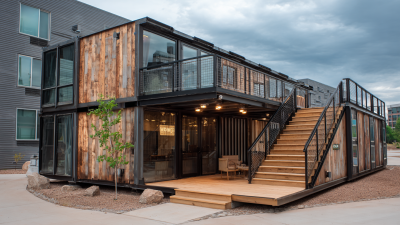
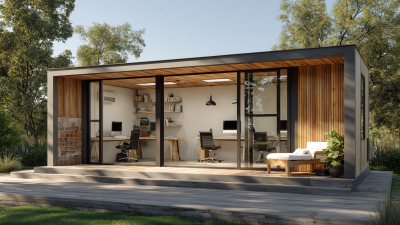
Exploring the Future of Living with Sustainable Modular Container Homes
As we navigate the complexities of modern living, the concept of
sustainability
emerges as a critical consideration for our future homes. Among
innovative solutions, modular container homes stand out for their potential to address pressing
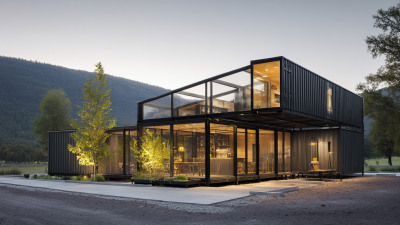
environmental and economic challenges. These homes, constructed from
repurposed shipping containers, not only offer a
minimalistic and flexible living space but also significantly reduce
construction waste and energy consumption. By integrating
smart technologies and sustainable building
practices, modular container homes provide an opportunity to create
efficient, affordable, and eco-friendly
living environments. This exploration into the future of living with
modular container homes highlights their role in promoting a
greener lifestyle while adapting to
rapidly changing urban landscapes. As we delve deeper into this trend,
we will uncover the myriad benefits and possibilities these homes present
for sustainable living.
Why Sustainable Modular Container Homes Are a Game Changer for Urban Living
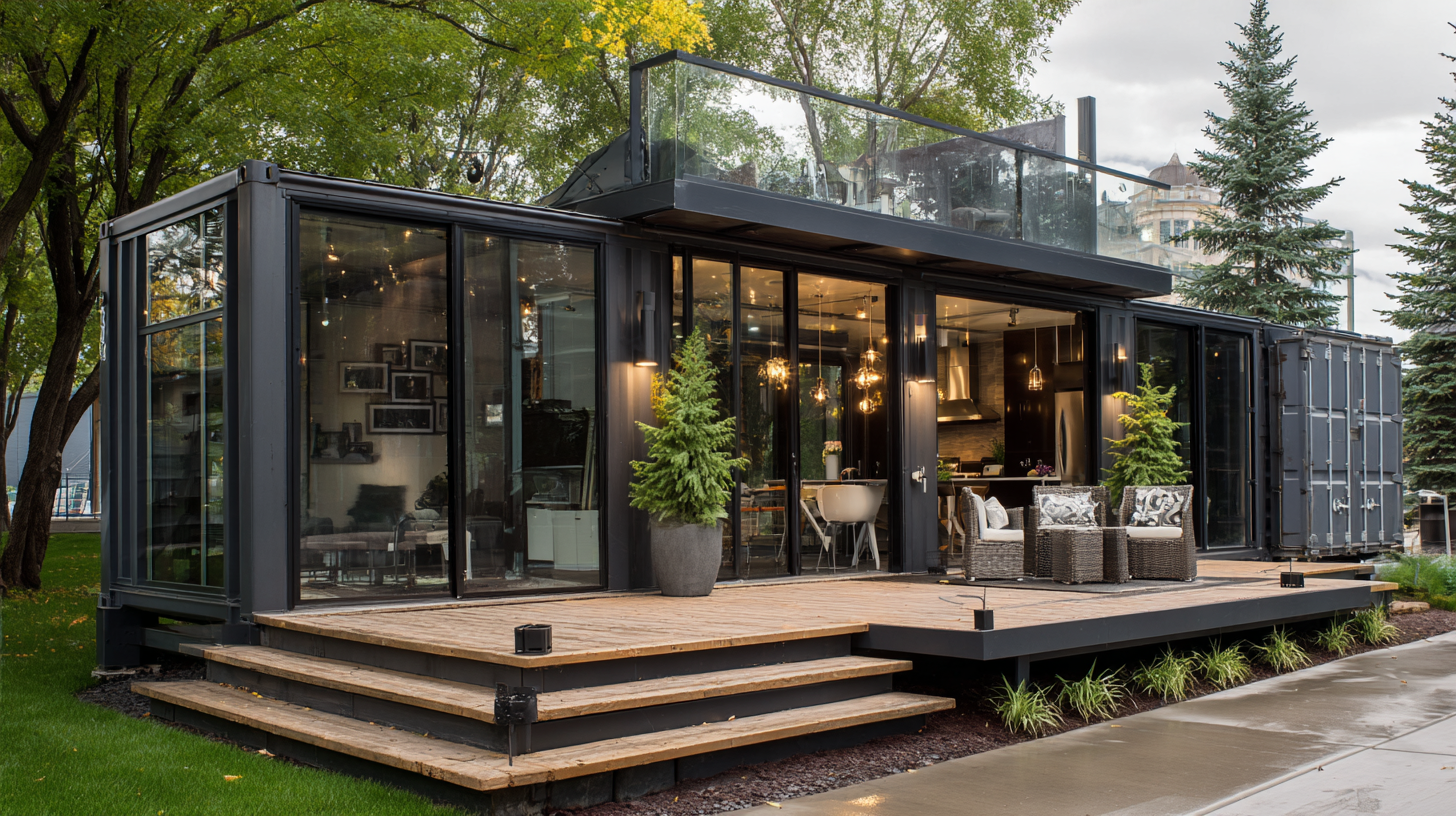
Sustainable modular container homes represent a transformative solution in urban living, addressing both housing shortages and environmental concerns. These innovative structures are not only built from repurposed shipping containers, but they also incorporate eco-friendly materials and practices. This approach minimizes waste and reduces the carbon footprint associated with traditional construction methods. As cities become increasingly crowded, container homes offer a practical and efficient way to create affordable housing that meets the needs of diverse populations.
The flexibility inherent in modular design is another significant advantage of container homes. They can be easily customized to suit varying lifestyles and family sizes, allowing for a diverse range of living arrangements. Furthermore, these homes can be rapidly assembled, reducing the time it takes to establish new housing units in urban areas. By promoting sustainable living through energy-efficient systems and the use of renewable resources, modular container homes stand out as a viable alternative for the future of urban housing, paving the way for greener, more resilient cities.
Why Eco-Friendliness Matters in Modern Housing Solutions
In a world where the urgency of climate change is undeniable, eco-friendliness in housing solutions has become paramount. According to the Global Status Report 2020 by the United Nations Environment Programme, buildings and construction contribute to nearly 39% of global carbon emissions. This makes it critical for modern housing strategies to adopt sustainable practices. Modular container homes, with their reduced resource consumption and lower carbon footprints, offer a forward-thinking alternative to traditional construction methods, making them an excellent choice for environmentally conscious living.
Sustainable modular homes often utilize repurposed materials, significantly cutting down on waste and resource depletion. The World Green Building Council reports that green buildings can reduce energy consumption by up to 50%, thereby lessening the demand on fossil fuels. Furthermore, integrating renewable energy sources, such as solar panels, not only enhances energy efficiency but also aligns housing solutions with a commitment to eco-friendliness. As sustainable living trends gain momentum, modular container homes stand out as an innovative model that not only meets housing needs but also respects and nurtures the environment.
Exploring the Future of Living with Sustainable Modular Container Homes - Why Eco-Friendliness Matters in Modern Housing Solutions
| Feature |
Description |
Environmental Impact |
Cost Efficiency |
| Sustainability |
Use of recycled materials and eco-friendly building practices. |
Reduces landfill waste and conserves resources. |
Lower construction costs through efficient materials use. |
| Energy Efficiency |
Incorporation of solar panels and high-insulation materials. |
Significantly lowers energy consumption and carbon footprint. |
Reduced utility bills over time. |
| Modularity |
Flexible design allowing for easy expansion or modification. |
Minimizes unnecessary resource use during construction adjustments. |
Cost savings in renovation and adaptability. |
| Transportability |
Easily relocatable units with minimal impact. |
Less environmental disturbance during relocation. |
Savings on transport costs and logistics. |
| Affordability |
Lower initial investment compared to traditional homes. |
Accessible housing options promoting social equity. |
Shorter construction time increases financial feasibility. |
Why Flexibility and Mobility Define the Future of Home Design
The future of home design is increasingly defined by flexibility and mobility, particularly through the rise of sustainable modular container homes. These innovative living spaces cater to the dynamic lifestyles of modern individuals and families, allowing them to adapt to changing environments and personal needs. With the ability to relocate easily, container homes offer a sense of freedom that traditional housing lacks, empowering residents to pursue new experiences without the constraints of permanent structures.
Moreover, the modular nature of these homes means they can be customized and expanded as requirements evolve. This adaptability not only supports a more sustainable approach to living—by minimizing waste and utilizing eco-friendly materials—but also enhances community resilience. As urbanization trends continue and the demand for affordable housing rises, the flexibility inherent in modular container homes equips homeowners with the tools to thrive in an ever-changing world, bridging the gap between lifestyle choices and sustainable living solutions.
Why Container Homes Offer Affordability in a Growing Housing Crisis
As the housing crisis continues to escalate, many are finding innovative solutions that address affordability, and sustainable modular container homes are emerging as a viable option. According to the U.S. Department of Housing and Urban Development, housing prices have increased by over 20% since 2020, making traditional home ownership unattainable for many Americans. In contrast, container homes typically cost 20% to 30% less to build than conventional houses, offering a compelling alternative for budget-conscious individuals and families.
The environmental benefits of container homes are equally significant, as they repurpose shipping containers that would otherwise go to waste. The World Economic Forum reported that more than 14 million shipping containers are no longer in use, representing a substantial source of sustainable building material. By choosing container homes, homeowners not only save money but also contribute to a circular economy that minimizes waste and promotes sustainability.
**Tips for Aspiring Container Homeowners:**
1. Research local zoning laws and building codes to ensure compliance before starting your project.
2. Consider hiring a designer familiar with modular structures to optimize space and functionality.
3. Invest in quality insulation and ventilation systems to enhance comfort and energy efficiency in your container home.
Why Community and Sustainability Go Hand in Hand in Modular Living
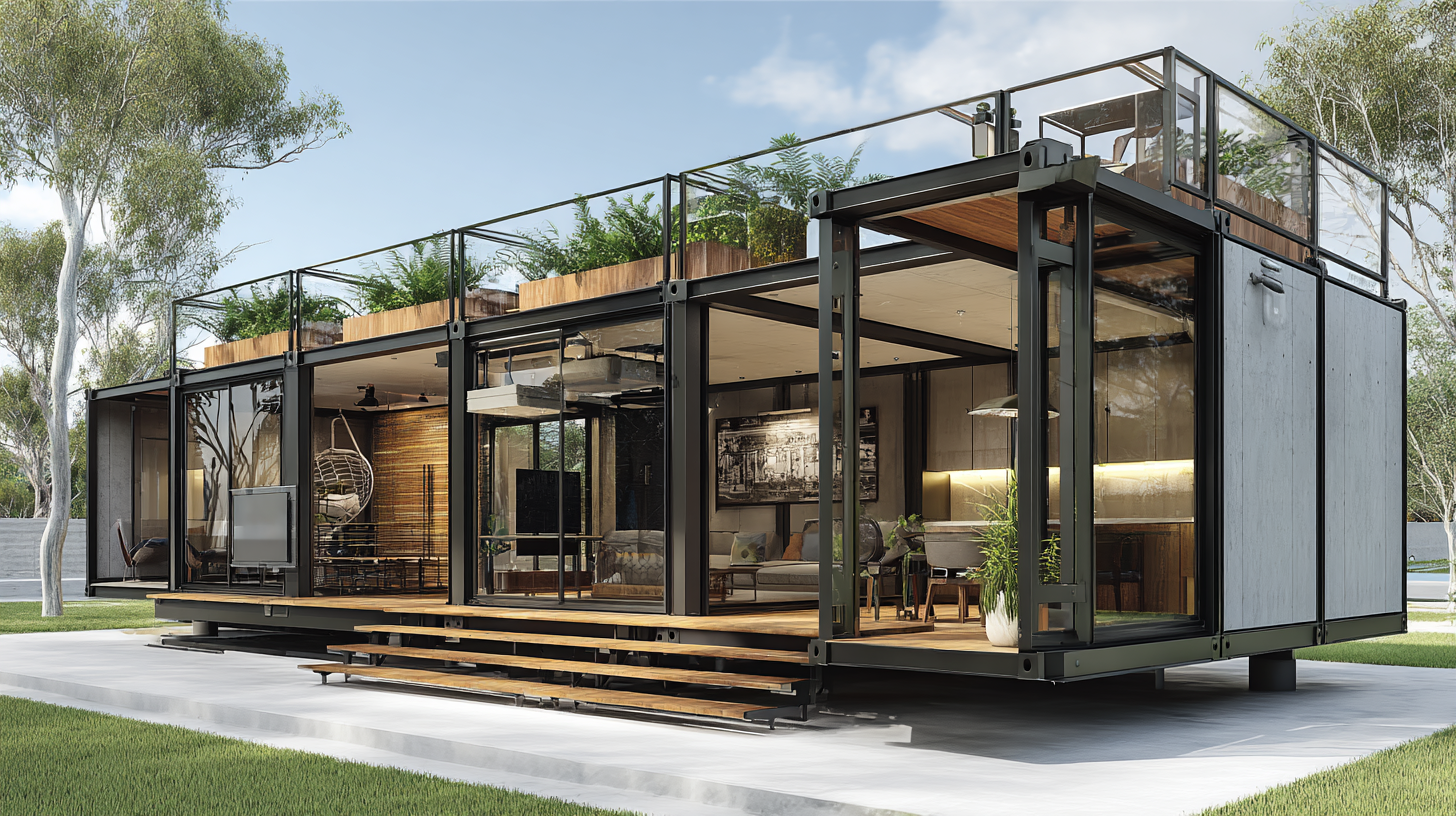
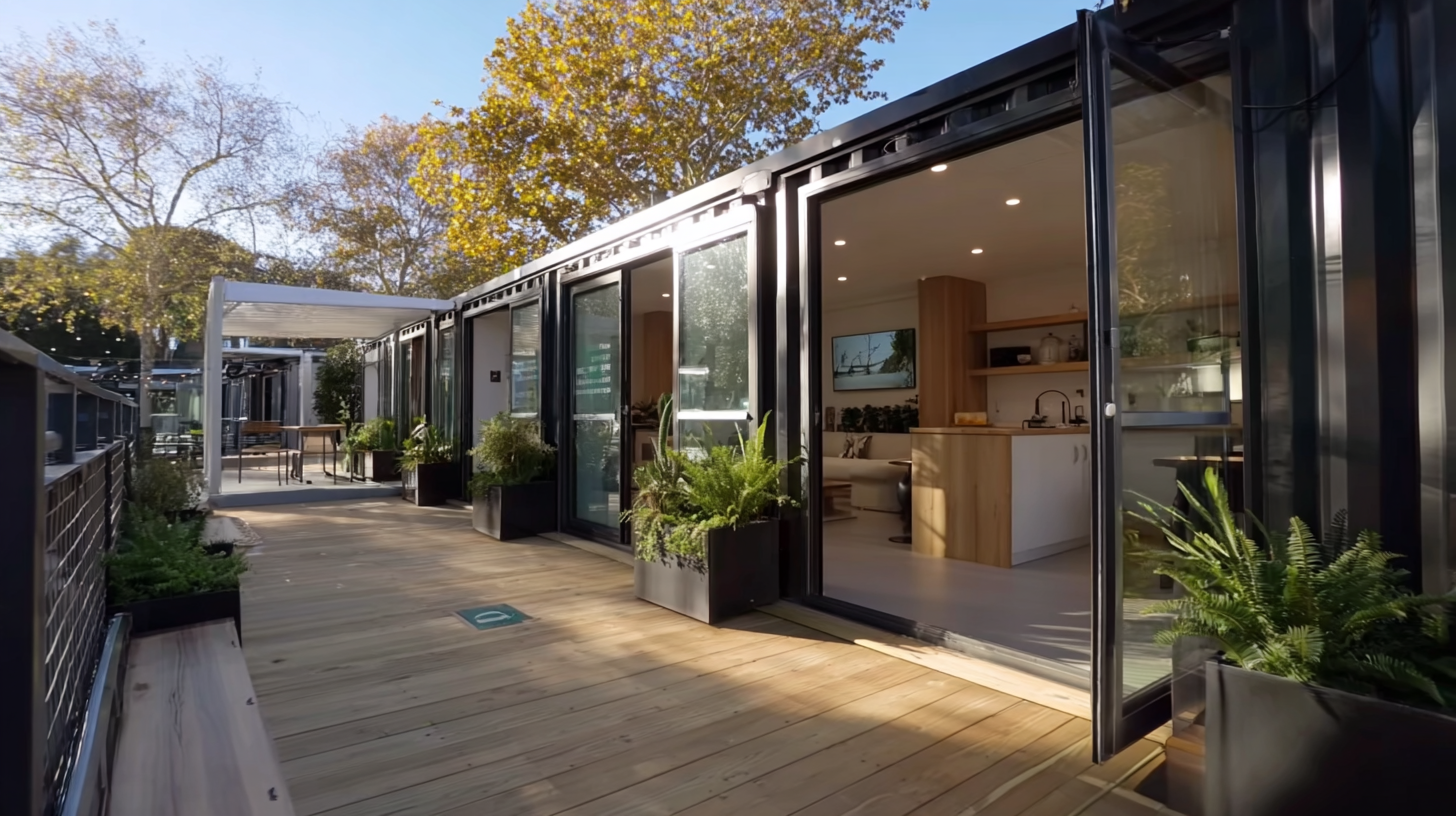 Sustainable modular container homes are revolutionizing the concept of community living. As reported by the World Green Building Council, buildings are responsible for 39% of global carbon emissions, highlighting the urgent need for greener housing solutions. Modular homes, built from re purposed shipping containers, not only reduce waste but also minimize resource consumption. By embracing this approach, communities can enhance their sustainability while providing affordable housing options that foster social interactions.
Moreover, the integration of sustainable modular living with community-oriented designs leads to a stronger sense of belonging among residents. According to a study published by the National Multifamily Housing Council, 74% of renters prioritize “community” when choosing where to live. Modular homes can facilitate this by creating easily accessible shared spaces, gardens, and recreational facilities within their layouts.
Thus, as more people gravitate towards eco-friendly lifestyles, modular container homes not only address housing shortages but also create vibrant communities grounded in sustainable practices, reinforcing the importance of environmental stewardship alongside social connectivity.