Top Dehumidifier Controller Manufacturers for Global Buyers
Choosing a reliable Dehumidifier Controller can shape humidity performance, energy use, and equipment life. Global buyers often compare suppliers by price first. That approach can be misleading.
A strong manufacturer should demonstrate practical engineering experience, stable production, and clear quality controls. This guide examines leading Dehumidifier Controller manufacturers serving international markets. It considers sensing accuracy, relay durability, communication options, enclosure design, and customization support. These details matter in cold storage rooms, warehouses, museums, hotels, and industrial facilities. A controller may look simple on a product page. Its real value appears during installation, calibration, and continuous operation.
Field experience also exposes uncomfortable gaps. Some suppliers publish impressive specifications but provide limited test evidence. Others respond quickly before the order, then weaken their support afterward. Buyers should request sample reports, wiring diagrams, firmware information, and failure-rate data where available. Certification claims also deserve verification through current documentation. Requirements can differ by destination, voltage system, and installation environment. No manufacturer is ideal for every project. That is worth admitting.
The companies discussed here are assessed through technical capability, manufacturing consistency, service responsiveness, and buyer feedback. Attention is given to lead times, spare parts, warranty terms, and communication across time zones. Practical selection requires more than a polished catalog. It requires questions, records, and small-scale validation before wider deployment. A careful comparison can reduce installation surprises and support dependable humidity control across global operations.
What a Dehumidifier Controller Manufacturer Provides
Top Dehumidifier Controller Manufacturers for Global Buyers
What a Dehumidifier Controller Manufacturer Provides
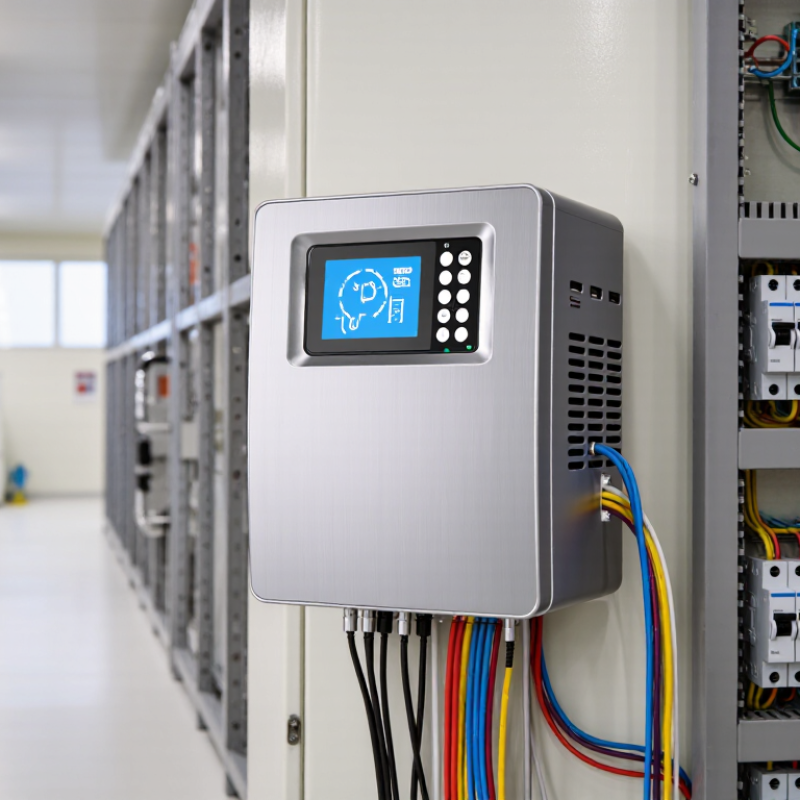
A capable dehumidifier controller manufacturer provides more than a circuit board. It supplies humidity sensors, control logic, firmware, displays, relays, and communication interfaces. These parts must work together inside hot, wet, and dusty equipment rooms.
The U.S. Environmental Protection Agency recommends indoor relative humidity between 30% and 50%. This range supports comfort and helps limit moisture-related problems. ASHRAE’s HVAC guidance also stresses accurate sensing, stable control, and correct equipment selection. A reliable manufacturer should therefore provide sensor calibration records, electrical safety testing, software validation, and traceable production data. It should also support Modbus, Wi-Fi, or other integrations when required. Field commissioning often reveals small issues, such as delayed restart settings or poorly placed sensors. These details can affect real performance. A low purchase price may become expensive after installation.
Tips: Ask for a sample control sequence, sensor accuracy range, operating temperature limits, and failure-response settings. Request evidence from recognized testing laboratories. Check whether firmware updates are documented and reversible. Do not judge suppliers by catalog photos alone.
Market research also shows why this support matters. The International Energy Agency’s Energy Efficiency 2024 report identifies cooling as a major source of rising electricity demand worldwide. Better humidity control can reduce unnecessary compressor operation, but only when sensors remain accurate. Manufacturers should provide application engineering, prototype testing, spare-part planning, and responsive technical support. Some suppliers still describe customization too broadly. Buyers should require written specifications before approval.
Key Technologies Used in Dehumidifier Control Systems
Dehumidifier control systems now combine humidity sensors, temperature probes, and programmable logic.
These components regulate moisture more precisely than basic on/off switches. ASHRAE’s 2023 HVAC Handbook recommends maintaining indoor relative humidity near 30–60% for comfort and material protection. That range sounds simple. It is not.
Capacitive humidity sensors measure moisture continuously inside warehouses, hotels, and production rooms. A controller then adjusts compressor speed, fan airflow, or desiccant-wheel rotation. Variable-speed control can reduce frequent cycling and improve stability. U.S. federal efficiency data shows certified dehumidifiers can use about 15% less energy than standard models. However, savings depend heavily on sensor calibration, airflow design, and operating temperature.
A perfect controller cannot fix a poorly sealed room.
Modern systems also support Modbus, BACnet, wireless alerts, and cloud-based maintenance records. These functions help global buyers monitor rising humidity before condensation damages cartons or metal parts. In practical testing, installers should compare sensor readings with a calibrated reference meter.
Small errors matter.
A two-percent reading gap may trigger unnecessary operation and higher electricity costs. Desiccant systems remain useful below low-temperature conditions, while compressor systems often perform better in warmer spaces. The choice is rarely universal.
Regional climate, voltage requirements, service access, and spare-part availability deserve equal attention.
(Sources: ASHRAE Handbook—HVAC Systems and Equipment, 2023; U.S. federal appliance efficiency data, 2024.)
How to Evaluate Manufacturers for Global Purchasing
Choosing a dehumidifier controller manufacturer requires more than comparing online prices. Global buyers should inspect production experience, engineering capability, and quality records. Ask how long the manufacturer has supplied commercial or industrial projects. Request product drawings, wiring diagrams, and test reports before discussing large orders.
A reliable supplier should explain sensor accuracy, humidity ranges, relay loads, and operating temperatures in clear language. Check whether controllers support the voltage standards used in your destination market. Factory audits can reveal practical details, such as calibration benches, component storage, and final inspection areas. Sample units should run continuously for several days, not only pass a brief demonstration.
Traceability matters. Each shipment should connect to a batch number, inspection record, and service contact. Ask about spare parts, firmware updates, warranty handling, and response times across time zones. References from comparable buyers provide useful evidence, but they are not perfect proof. Some reviews may be outdated. A spreadsheet can also hide weak communication or inconsistent packaging. I have learned that a technically strong manufacturer may still struggle with export documents and installation guidance. Evaluate both the product and the people supporting it. Clear answers, repeatable testing, and honest limitations usually indicate a safer purchasing relationship.
Leading Manufacturer Categories by Market and Application
Top Dehumidifier Controller Manufacturers for Global Buyers
Leading Manufacturer Categories by Market and Application
Dehumidifier controller manufacturers usually serve different markets, not one universal application. Residential suppliers focus on compact controllers, quiet operation, and simple humidity settings. Their products often fit apartments, storage rooms, and small offices. Commercial manufacturers build stronger systems for hotels, schools, warehouses, and retail spaces. They commonly support remote monitoring, multiple sensors, and continuous operation.
Industrial controller manufacturers work with demanding environments. Food processing rooms, pharmaceutical storage areas, and production lines need stable humidity control. These suppliers often provide programmable logic, alarm outputs, corrosion-resistant housings, and integration with building systems. OEM-focused manufacturers offer customizable boards and interfaces. They may adjust voltage, sensor ranges, display layouts, or communication protocols for equipment makers. This flexibility can reduce redesign costs, but it may increase testing time.
Tips: Match the controller to the application first. Check sensor accuracy, operating temperature, relay capacity, enclosure protection, and replacement support. Ask for test records and installation guidance. I have seen buyers choose low-cost units that failed near cold storage doors. The specification looked acceptable. The real environment was harsher. Also, verify regional power requirements and documentation before sampling. A reliable manufacturer should explain limitations clearly, not promise perfect performance. Small omissions can become expensive service problems.