

Luxury modular homes are becoming increasingly popular among homebuyers seeking sustainability and customization. According to a recent report by Grand View Research, the modular home market is projected to grow by 15% annually. This trend reflects a shift toward modern living preferences. Luxury modular homes offer high-end features while being eco-friendly. This is appealing in today’s environmentally conscious society.
Expert Jane Fitzgerald, a leading figure in the luxury modular industry, states, "Luxury modular homes blend technological advancements with stunning designs." This is significant because it highlights the fusion of luxury and practicality. However, challenges remain in perception and market acceptance. Many still associate modular homes with low-quality construction. Dispelling these misconceptions is crucial for broader acceptance.
Incorporating cutting-edge technology into designs is essential. Features like smart home systems are increasingly standard. However, potential buyers should consider the range of options available. They must weigh the benefits against possible downsides, such as zoning laws and financing challenges. Luxury modular homes represent a promising future, yet require careful consideration.
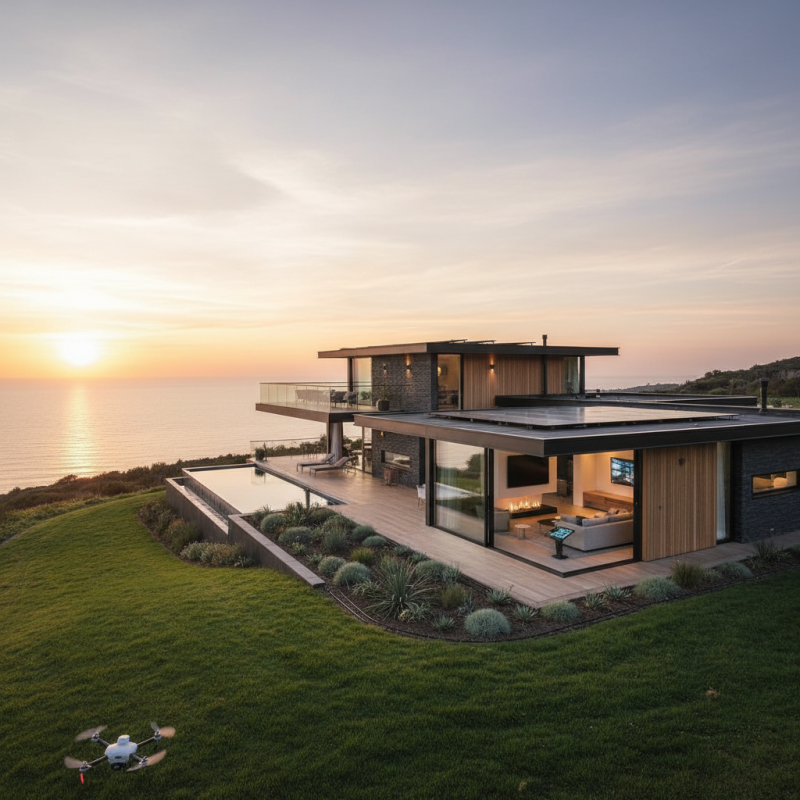
Luxury modular homes are transforming the housing market. These homes combine elegance with efficiency. They offer a customizable experience that traditional homes often lack. Many buyers appreciate the thoughtful designs and modern amenities. Each unit can reflect personal style while maintaining high-quality standards.
The definition of luxury in modular homes varies. It often includes high-end finishes, eco-friendly materials, and smart home technology. Features like spacious open floor plans and large windows contribute to a luxurious feel. However, achieving that balance between luxury and sustainability is challenging. Not every builder maintains the same level of craftsmanship.
**Tips:** Focus on personalization. Choose finishes that resonate with you. This way, your home feels unique. Always research builders thoroughly. Quality can vary significantly. Lastly, consider future needs. Think about how your lifestyle may evolve. Making thoughtful decisions now can lead to long-term satisfaction.
| Feature | Description | Popularity Factor |
|---|---|---|
| Customization Options | Luxury modular homes offer extensive design flexibility, allowing buyers to customize layouts, finishes, and materials. | High demand for personalized living spaces. |
| Sustainability | Many luxury modular homes are built using sustainable materials and energy-efficient systems. | Increasing consumer awareness of environmental impact. |
| Speed of Construction | Modular homes can be built faster compared to traditional homes due to factory-based construction. | Growing interest in quicker housing solutions. |
| Affordability | Luxury modular homes can be more affordable than conventional homes without compromising on quality. | Attractive pricing for luxury seekers. |
| Technology Integration | Smart home technology is often integrated for added convenience and functionality. | Rising preference for tech-savvy lifestyles. |
Luxury modular homes are becoming increasingly popular. They combine elegance with efficiency. These homes are built in sections and assembled on-site. This construction method allows for faster building times. Homeowners appreciate the reduced construction waste and lower costs. Each home can be personalized, reflecting individual styles and needs.
Key features of luxury modular homes include high-quality materials. Many designs feature large windows that invite natural light. Spacious open floor plans are highly coveted, promoting a modern lifestyle. Smart home technology is often integrated, enhancing convenience. Energy-efficient appliances reduce utility costs and environmental impact. Customization options can be extensive, although this might complicate the decision-making process.
However, the appeal of luxury modular homes does not come without challenges. Some people worry about perceived quality compared to traditional homes. Others may find zoning regulations a hurdle. Navigating these aspects requires careful consideration. Ultimately, luxury modular homes offer an intriguing blend of affordability and aesthetic beauty in today's housing market.
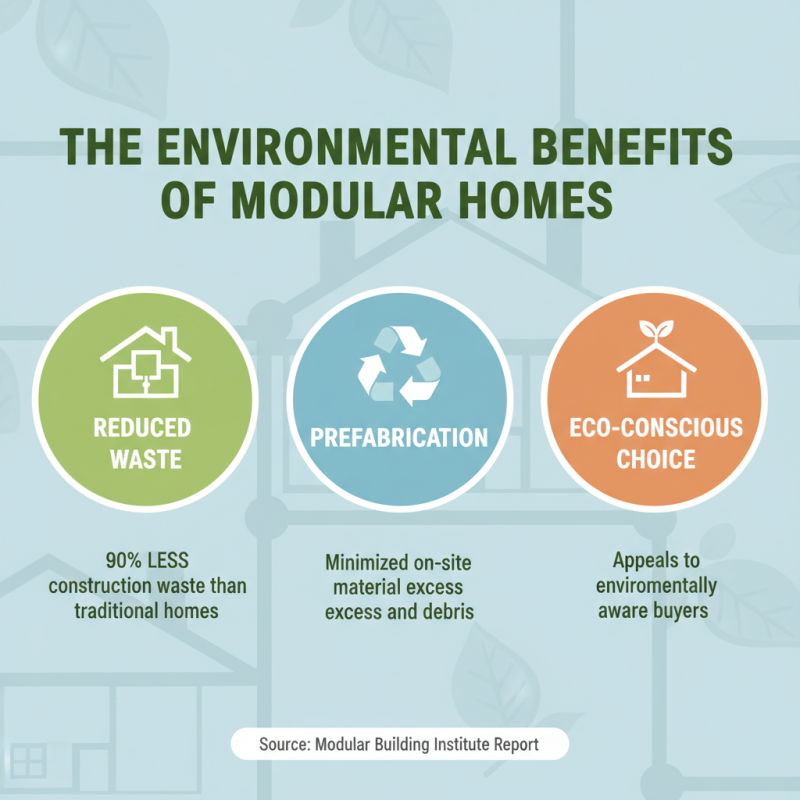
Modular homes are increasingly recognized for their environmental benefits. These homes are prefabricated in sections and assembled on-site, reducing construction waste significantly. According to a report from the Modular Building Institute, modular homes generate about 90% less waste compared to traditional homes. This is a key factor attracting eco-conscious buyers.
Another advantage is energy efficiency. Modular homes often utilize advanced construction techniques and materials. This results in better insulation. Studies show that energy-efficient homes can save homeowners between 20% to 30% on energy bills. Reducing energy consumption is vital for minimizing carbon footprints.
Tips for choosing a modular home include researching energy-efficient appliances. They often come with better performance ratings. Consider insulation options; some materials offer better thermal resistance. While modular homes are a step towards sustainability, it's important to evaluate the location's impact on ecosystems. Not every site is suitable. Take time to assess the environmental implications fully.
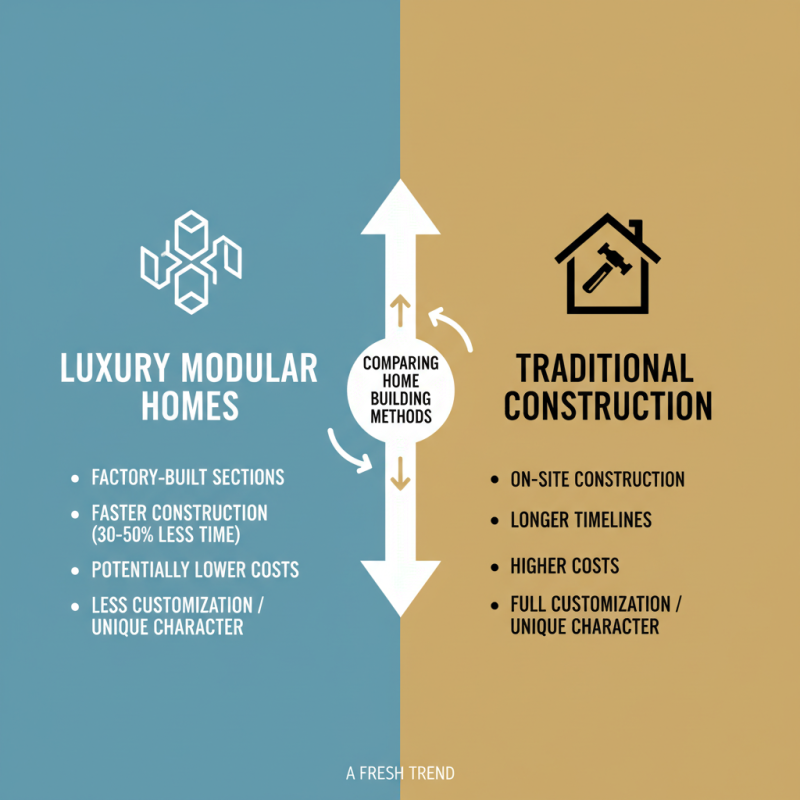
Luxury modular homes are a fresh trend in the housing market. These homes are built in sections in a factory, then assembled on-site. This method can reduce construction time and costs compared to traditional homes. However, not all luxury modular homes are the same. Some designs may lack the unique character often found in custom-built houses.
Compared to traditional construction, modular homes offer greater efficiency. The controlled environment of a factory limits potential delays caused by weather. Yet, some buyers worry about the perception of value. A modular house may not hold the same prestige as a traditional one. It often feels less personalized than a custom home built with specific materials and designs.
Still, modular homes have their own charm. They can be highly customizable and eco-friendly. Many incorporate sustainable materials and energy-efficient designs, appealing to modern buyers. However, the quality of construction can vary widely. Prospective homeowners must do their research. This way, they can ensure they choose a builder with a solid reputation for quality.
Luxury modular homes are quickly gaining traction in the housing market. Various factors contribute to their rising popularity. Firstly, the construction process is significantly faster than traditional building methods. Studies show that modular homes can be completed in about half the time. This speed appeals to many buyers looking for quick solutions.
Environmental considerations play a huge role too. Modular homes generate less waste during construction. According to industry reports, waste can be reduced by up to 35%. Many consumers are also becoming more conscious of their carbon footprint. A sustainable approach can boost a home’s appeal.
Tips: When considering a luxury modular home, focus on energy efficiency. Look for designs that maximize natural light. Smart technology is worth exploring, too. Ensure it integrates well with eco-friendly systems.
Design flexibility is another major factor. Modular homes can be customized easily to fit personal preferences. This allows buyers to create unique spaces that reflect their style. However, the variations in quality control can be disheartening. Not all manufacturers uphold the same standards. Buyers should research and compare options carefully.
| Cookie | Duration | Description |
|---|---|---|
| cookielawinfo-checkbox-analytics | 11 months | This cookie is set by GDPR Cookie Consent plugin. The cookie is used to store the user consent for the cookies in the category "Analytics". |
| cookielawinfo-checkbox-functional | 11 months | The cookie is set by GDPR cookie consent to record the user consent for the cookies in the category "Functional". |
| cookielawinfo-checkbox-necessary | 11 months | This cookie is set by GDPR Cookie Consent plugin. The cookies is used to store the user consent for the cookies in the category "Necessary". |
| cookielawinfo-checkbox-others | 11 months | This cookie is set by GDPR Cookie Consent plugin. The cookie is used to store the user consent for the cookies in the category "Other. |
| cookielawinfo-checkbox-performance | 11 months | This cookie is set by GDPR Cookie Consent plugin. The cookie is used to store the user consent for the cookies in the category "Performance". |
| viewed_cookie_policy | 11 months | The cookie is set by the GDPR Cookie Consent plugin and is used to store whether or not user has consented to the use of cookies. It does not store any personal data. |