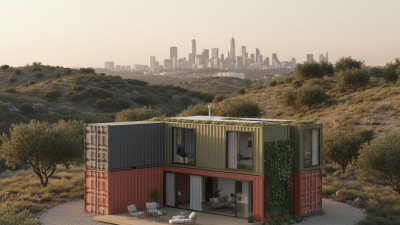
Top Modular Container Homes Trends to Watch in 2025
As the demand for sustainable and efficient housing solutions continues to grow, modular container homes have emerged as a key trend in the construction industry. According to a report by Grand View Research, the global market for modular homes is expected to reach USD 102.2 billion by 2025, with a significant portion attributed to the innovative use of shipping containers in residential applications. This trend is driven by an increasing awareness of environmental sustainability and a need for affordable housing, especially in urban areas where space and cost constraints are prevalent.
Industry expert Dr. Emily Hartfield, a recognized authority in modular construction, emphasizes the transformative potential of these homes, stating, "The modular container homes market is not just about creativity, but also about addressing real-world housing challenges with speed and efficiency." As we approach 2025, we can expect to see advancements in design, technology, and materials that will further enhance the appeal and functionality of modular container homes. This evolution will not only align with modern architectural aesthetics but also contribute to a more sustainable future for urban living.
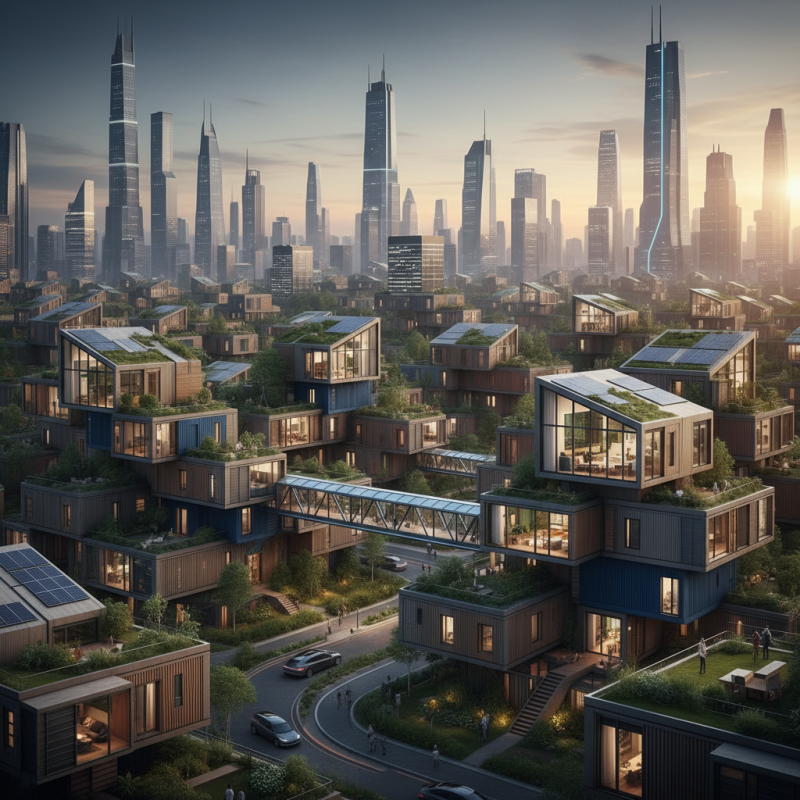
Emerging Materials in Modular Container Homes for Sustainable Living
The modular container home industry is poised for significant evolution in 2025, particularly with the advent of innovative materials that promote sustainable living. According to the latest report from the Global Modular Construction Market, the demand for environmentally friendly building practices is projected to increase at a CAGR of 6.5% over the next few years. This shift is largely driven by the escalating awareness of climate change and the necessity for sustainable solutions in residential construction.
One of the emerging materials making waves in modular container homes is bamboo-based composites, which offer remarkable strength combined with a lightweight structure. These materials not only reduce the carbon footprint associated with traditional building materials but also utilize a renewable resource that grows rapidly. A study by the International Journal of Sustainable Construction highlighted that the carbon sequestration potential of bamboo could offset 30% of emissions typically generated in building processes. Additionally, the use of recycled and reclaimed materials is becoming increasingly common. Incorporating salvaged steel and repurposed wood not only minimizes waste but also adds a unique aesthetic appeal to modular homes.
Insulation materials are also experiencing a transformation, with advancements in sheep wool and hemp fiber insulation. These natural fibers provide excellent thermal performance and are biodegradable, promoting a circular economy in construction practices. Research indicates that buildings utilizing these sustainable insulation materials can reduce energy consumption by up to 40%, aligning with global goals for energy efficiency and sustainable development. As these trends gain traction, modular container homes will increasingly embody the principles of eco-friendliness and innovation, setting new standards for the future of residential living.
Top Modular Container Homes Trends to Watch in 2025
Innovative Designs Driving the Popularity of Modular Container Homes in 2025
As the demand for sustainable and affordable housing continues to rise, modular container homes are becoming increasingly popular.
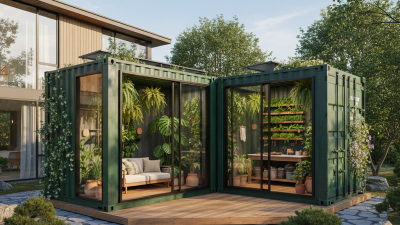
According to a report by Grand View Research, the global modular construction market is expected to reach $157 billion by 2028, with container homes playing a significant role in this growth. In 2025, we anticipate innovative designs that not only enhance the aesthetic appeal of these structures but also improve their functionality and sustainability. For instance, integrating solar panels and green roofs into container home designs can significantly reduce energy consumption and elevate their appeal to environmentally conscious consumers.
Another trend set to influence modular container homes in 2025 is the emphasis on multi-functional spaces. With urban living often constrained by space, designers are focusing on creating versatile interiors that maximize utility without compromising comfort. Reports indicate that approximately 60% of homeowners prioritize adaptable living spaces, which presents an opportunity for container homes to evolve. Features like foldable furniture, retractable walls, and modular expanding units allow residents to transform their environments to suit various needs, further driving the trend of container homes as a practical living solution.
Market Growth: The Rising Demand for Modular Container Homes Industry
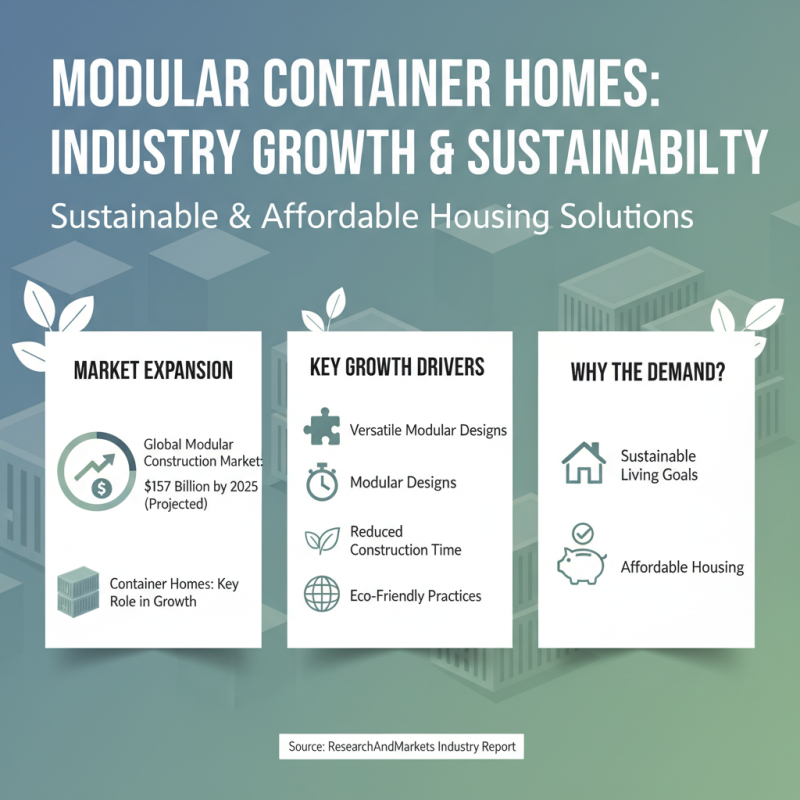
The modular container homes industry is experiencing significant growth, driven by a notable increase in demand for sustainable and affordable housing solutions. According to a recent industry report by ResearchAndMarkets, the global modular construction market is projected to reach approximately $157 billion by 2025, with container homes playing a significant role in this expansion. Factors fueling this demand include the versatility of modular designs, reduced construction time, and environmentally friendly building practices that align with today's sustainable living goals.
For those considering investing in modular container homes, here are some tips: First, evaluate local zoning laws to ensure compliance, as regulations can vary by location and impact the feasibility of your project. Additionally, consider the insulation and energy-efficient features of the container home to maximize comfort and minimize utility costs. The mobile nature of these homes also provides an opportunity for innovative living spaces that can adapt as personal or market needs change.
Furthermore, experts suggest that investment in technology will shape the future of modular container homes, allowing for smart home integrations that enhance the living experience. By leveraging advancements in construction tech, homeowners can create energy-efficient, comfortable spaces that meet the demands of modern living while maintaining an eye toward sustainability. The industry is not just a passing trend; it’s a transformative approach to housing that will likely continue to evolve in the coming years.
Technological Advancements in Modular Construction Techniques for 2025
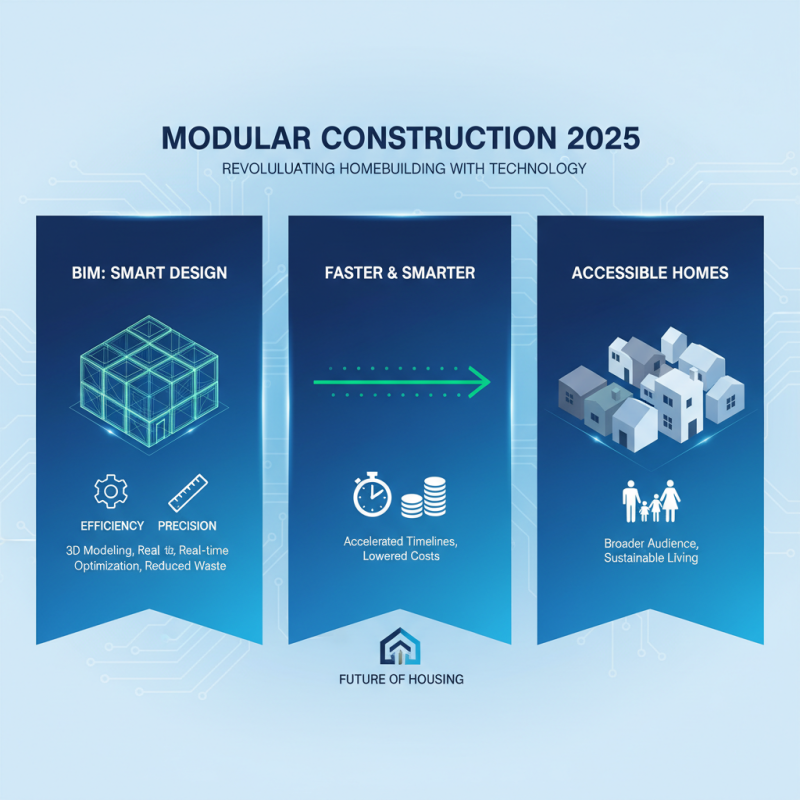
As we look forward to 2025, technological advancements in modular construction techniques are set to revolutionize the housing market. One of the most significant trends is the adoption of Building Information Modeling (BIM), which enhances precision and efficiency in designing modular homes. With BIM, architects and builders can create detailed 3D models that allow for real-time modifications and optimizations, reducing waste and streamlining the construction process. This not only speeds up project timelines but also minimizes costs, making modular homes more accessible to a broader audience.
In addition to BIM, the use of green construction technologies is gaining momentum. Modular homes are increasingly incorporating sustainable materials and energy-efficient systems, focusing on reducing their carbon footprint. Innovations such as prefabricated components produced in eco-friendly factories help ensure that construction is less resource-intensive and generates less waste. Furthermore, advancements in smart home technology are being integrated into these modular designs, allowing homeowners to benefit from improved energy management and controlled living environments. These trends not only enhance the functionality and sustainability of modular homes but also cater to the growing demand for environmentally responsible housing solutions.
Regulatory Trends Shaping the Future of Modular Container Home Development
In the evolving landscape of modular container homes, regulatory trends are playing a pivotal role in shaping their development. As environmental concerns gain prominence worldwide, more governments are implementing stringent building codes and sustainability regulations. These changes not only aim to reduce the ecological footprint of construction but also encourage innovation in sustainable materials and techniques. Future developments are likely to see an increase in mandates for energy efficiency, waste management, and the use of recyclable resources, pushing manufacturers and developers to adopt more eco-friendly practices in their container home designs.
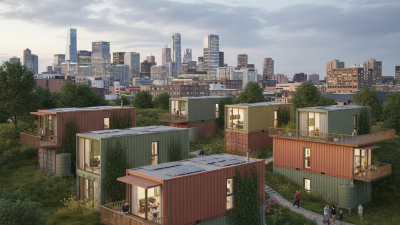
Alongside environmental considerations, zoning laws and land use regulations are also becoming more facilitating. Many municipalities are now recognizing the potential of modular homes to address housing shortages, especially in urban areas. This shift has led to the relaxation of zoning restrictions that previously hindered the deployment of container homes. As a result, future developments could see a rise in community-driven housing projects that aim to integrate container homes into existing neighborhoods, promoting not only affordable housing solutions but also social cohesion. As these regulatory frameworks evolve, they will undoubtedly pave the way for more innovative and inclusive designs in the modular container home sector.
Top Modular Container Homes Trends to Watch in 2025
| Trend |
Description |
Expected Impact |
Regulatory Considerations |
| Sustainability Focus |
Increased use of eco-friendly materials and energy-efficient designs. |
Reduction in carbon footprint and operating costs. |
New regulations promoting green building practices. |
| Smart Home Integration |
Incorporation of IoT technology for automation and energy management. |
Enhanced convenience and efficiency for homeowners. |
Standards for connectivity and data privacy issues. |
| Affordable Housing Solutions |
Utilization of modular container homes to address housing shortages. |
Increased availability of low-cost housing options. |
Government incentives for affordable housing initiatives. |
| Customization Trends |
Greater flexibility in design and layout options for homeowners. |
Enhanced user satisfaction and marketability. |
Zoning laws affecting design alterations. |
| Modular Manufacturing Advances |
Improved construction techniques and factory efficiencies. |
Faster project timelines and reduced costs. |
Regulatory updates on manufacturing standards. |