Discover How Modular House Solutions Are Revolutionizing Sustainable Living Today
In recent years, the construction industry has witnessed a paradigm shift towards sustainable living, largely driven by the emergence of modular house solutions. According to a report by the
International Modular Construction Association, modular homes can reduce construction waste by up to 90% and shorten building times by 30-50%, significantly minimizing the environmental impact associated with traditional construction methods.
Moreover, these homes are built in controlled factory environments, allowing for better resource management and energy efficiency.
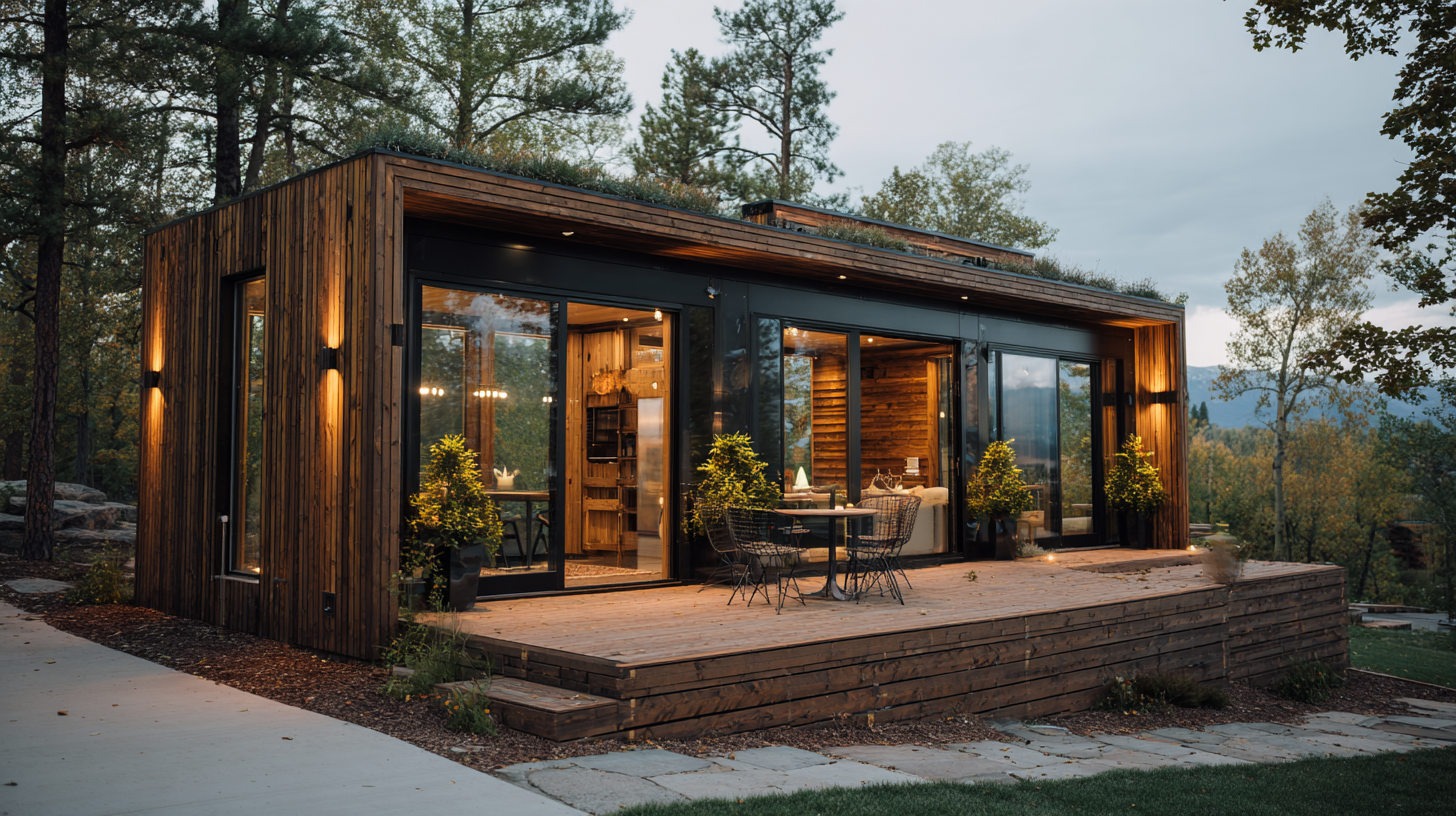 As urban areas continue to expand and the demand for housing increases, modular houses offer a viable solution to meet these challenges while promoting sustainable practices.
The modular house sector is poised to revolutionize the way we approach residential living, combining innovation with ecological responsibility, ultimately paving the way for a
greener future.
As urban areas continue to expand and the demand for housing increases, modular houses offer a viable solution to meet these challenges while promoting sustainable practices.
The modular house sector is poised to revolutionize the way we approach residential living, combining innovation with ecological responsibility, ultimately paving the way for a
greener future.
Understanding Modular House Concepts for Sustainable Living
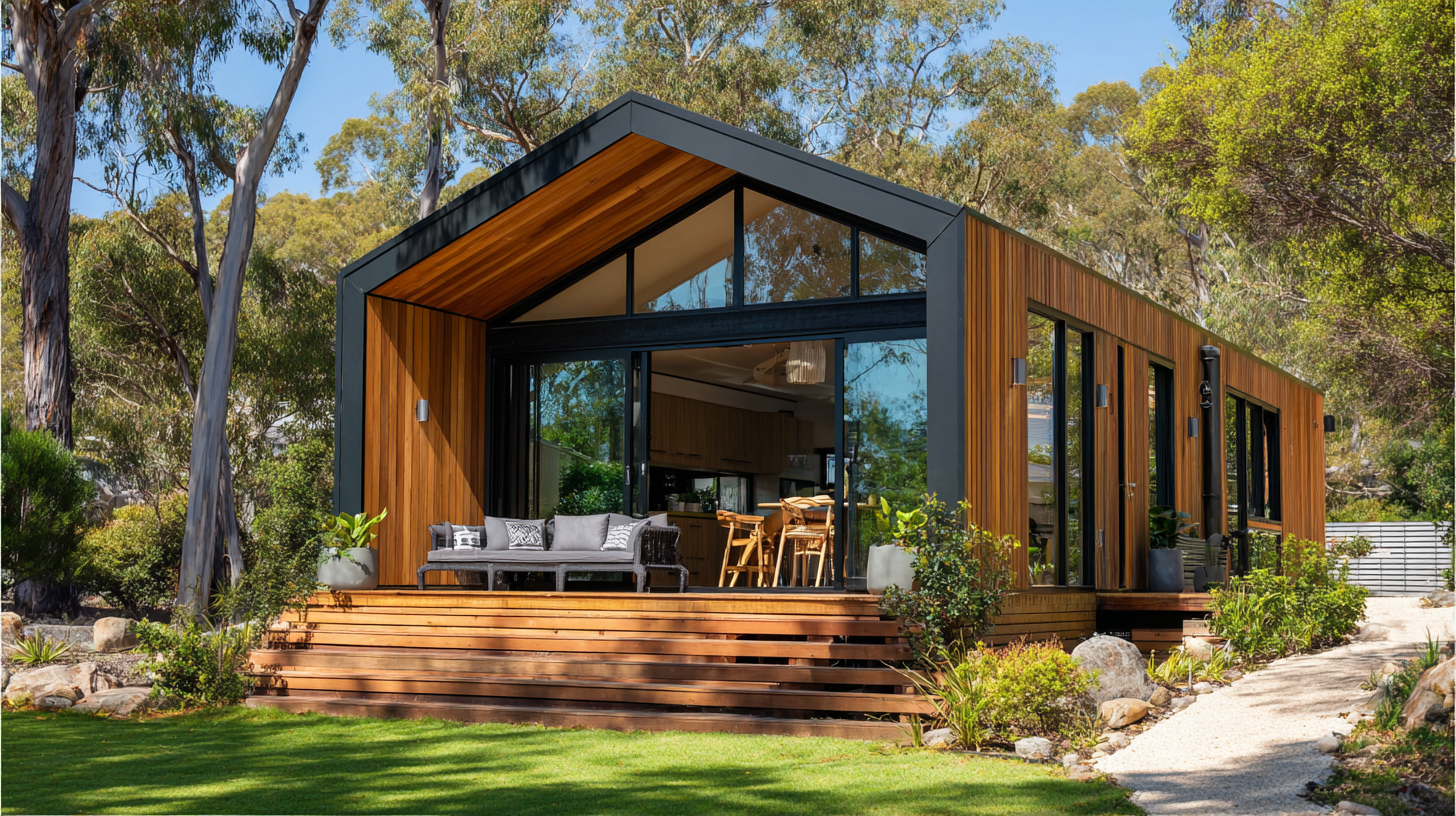
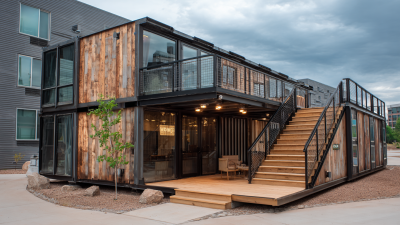
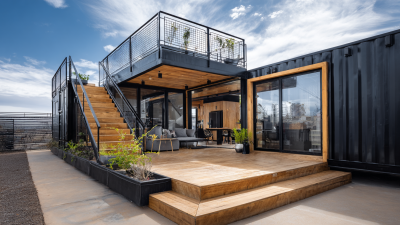
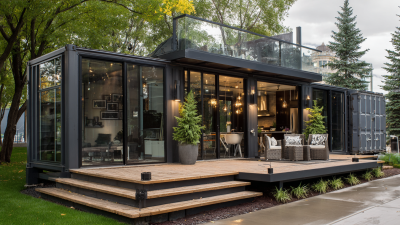
Modular house concepts are transforming the landscape of sustainable living by offering innovative solutions for environmentally conscious housing. These homes are constructed using prefabricated modules, which significantly reduces waste and minimizes the environmental impact associated with traditional building methods. Each module is designed for efficiency, allowing for faster construction times and lower energy consumption. This approach not only reduces the carbon footprint of the building process but also enables homeowners to live in efficient, energy-saving environments.
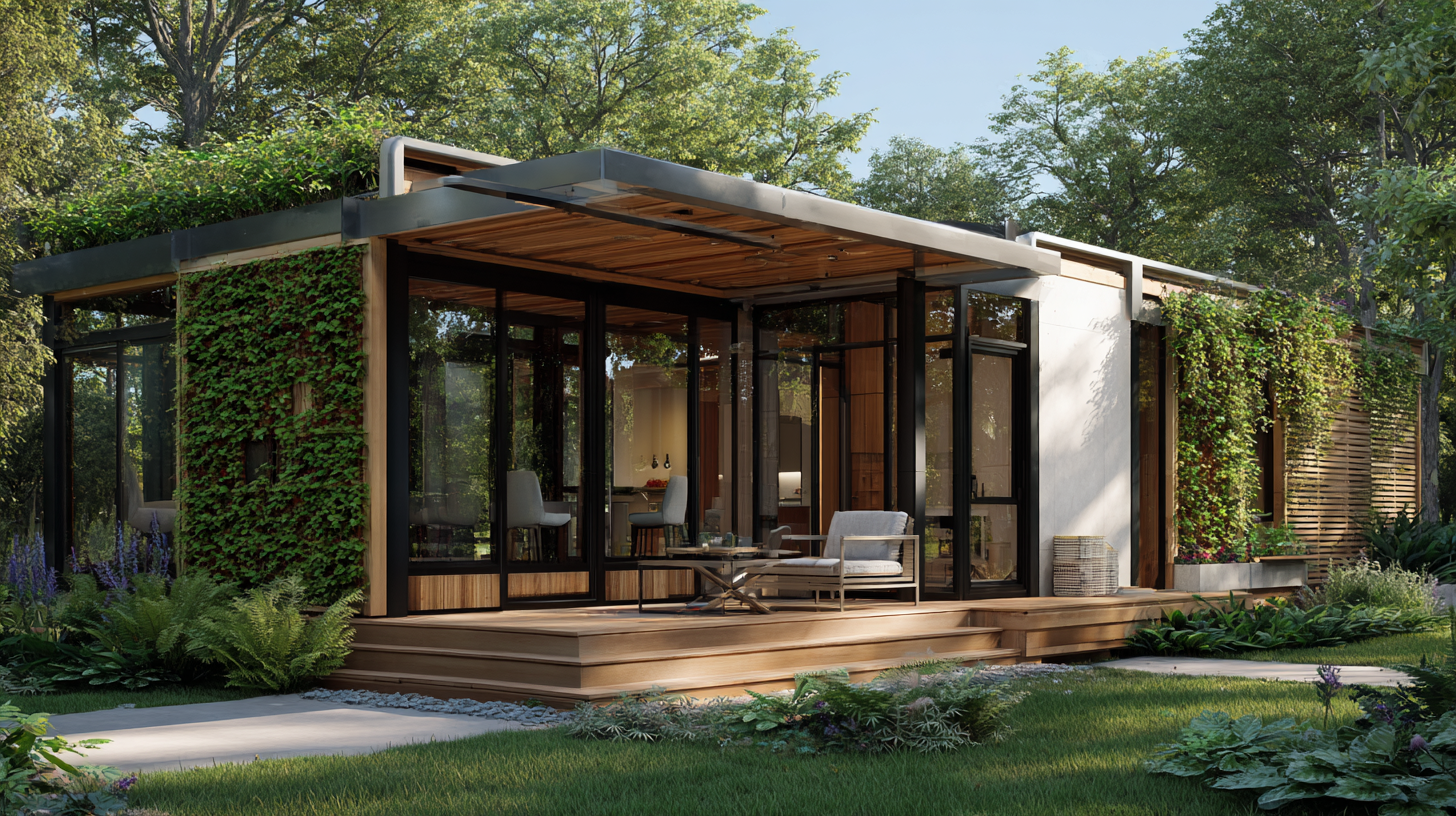
The versatility of modular homes plays a crucial role in promoting sustainable living. They can be easily customized to fit various needs and preferences, allowing for the integration of eco-friendly technologies such as solar panels, green roofs, and rainwater harvesting systems. Furthermore, modular designs encourage efficient land use, promoting urban densification without overwhelming existing infrastructures. As modular homes become more popular, they are paving the way for a new paradigm in housing that prioritizes sustainability while accommodating diverse lifestyles.
Modular House Solutions Impact on Sustainable Living
This chart illustrates the impact score of various factors associated with modular house solutions, indicating their effectiveness in promoting sustainable living.
Exploring the Environmental Benefits of Modular Home Construction
Modular design principles based on energy circulation present innovative solutions for meeting ecological requirements in urban public restroom facilities. By integrating energy-efficient materials and systems, these modular units can significantly reduce waste and optimize resource consumption. For instance, the incorporation of solar panels for energy generation, rainwater harvesting systems, and biofiltration techniques can facilitate sustainable operation. This approach not only addresses the immediate needs of sanitation but also contributes to a healthier urban environment by minimizing the carbon footprint.
In several cities, field studies on public restrooms reveal a pressing need to rethink how these spaces function within urban landscapes. Often overlooked, these facilities can enhance community interactions and promote public hygiene when designed with user experience in mind. Emphasizing modular construction allows for flexibility and adaptability, ensuring that restrooms can be easily relocated or redesigned according to demographic changes. This adaptability is crucial in addressing urban challenges, enhancing both the aesthetic and functional quality of public spaces while fostering a sense of warmth and belonging in the urban fabric.
How Modular Designs Promote Energy Efficiency and Reduce Waste
Modular house solutions are at the forefront of revolutionizing sustainable living, particularly through their emphasis on energy efficiency and waste reduction. As the global modular construction market is projected to expand from an estimated value of XXXX billion dollars in 2025 to XXXX billion dollars by 2033, with a robust compound annual growth rate (CAGR) of XX%, the demand for environmentally friendly building methods is clearly on the rise. This shift is largely driven by growing awareness of sustainable practices and the urgent need to address climate change.
One of the key advantages of modular designs is their ability to optimize energy efficiency. The sustainable building materials market alone is expected to grow from $301.6 billion in 2024 to $907.1 billion by 2034, reflecting a CAGR of 11.9% from 2025 to 2034. By employing prefabricated components produced in controlled environments, modular homes minimize material waste and reduce energy consumption during the construction process. Furthermore, the integration of innovative technologies, such as 3D printing, allows for designs that not only enhance durability but also lower the carbon footprint of buildings. These advancements signify a pivotal movement towards achieving a more sustainable future in the construction industry.
Discover How Modular House Solutions Are Revolutionizing Sustainable Living Today
| Feature |
Benefit |
Sustainability Impact |
Energy Efficiency Rating |
| Modular Design |
Reduced construction time |
Minimizes resource waste |
A+ |
| Prefabrication |
Lower materials cost |
Less on-site waste |
A |
| Sustainable Materials |
Durable and eco-friendly |
Supports renewable resources |
B+ |
| Energy-Efficient Systems |
Lower utility bills |
Reduces carbon footprint |
A++ |
| Smart Home Technology |
Enhanced user convenience |
Optimizes energy use |
A+ |
Innovative Materials in Modular Homes: Eco-Friendly Choices
The rise of modular homes is significantly impacting the way we think about sustainable living, thanks in part to the innovative materials being utilized in their construction. Modular homes, which are prefabricated and constructed off-site, offer numerous eco-friendly choices that enhance energy efficiency and reduce the carbon footprint. For instance, materials such as reclaimed wood and recycled steel are becoming popular choices, contributing to a circular economy by minimizing waste and utilizing resources that would otherwise be discarded. According to the Modular Building Institute, implementing these sustainable materials can reduce construction waste by up to 90%, showcasing a commitment to environmental stewardship.
Furthermore, advances in insulation materials, such as cellulose and spray foam, have revolutionized energy efficiency in modular homes. Cellulose insulation, made from recycled paper, not only provides excellent thermal performance but also promotes better indoor air quality, making homes healthier. The U.S. Department of Energy reports that effective insulation can cut heating and cooling costs by 30% or more. This data highlights the compelling benefits of choosing modular homes constructed with eco-friendly materials, paving the way for a more sustainable future in residential living. With these innovations, modular homes are not only becoming more popular but are also a vital part of the movement towards eco-conscious living.
Navigating the Financial Aspects of Choosing Modular Housing Solutions
The emergence of modular housing solutions is reshaping the landscape of sustainable living, particularly in the context of financial considerations. According to a recent report by the Modular Building Institute, modular construction can reduce project time by 30-50%, which can significantly lower overall costs. This efficiency is appealing to consumers looking for affordable housing options, especially as traditional construction methods face prolonged timelines and escalating material prices.
Furthermore, navigating the financial aspects of modular housing involves understanding both upfront costs and long-term savings. A study from the National Association of Home Builders indicates that modular homes can achieve a 20% reduction in energy consumption due to their innovative design and construction methods. This translates to lower utility bills, making them a financially savvy choice for eco-conscious buyers. As the trend towards digital transformation in various industries accelerates, financing models for modular homes are also evolving, offering consumers flexible payment options that can further ease the burden of initial investment.