Why Choose a Prefab Home Office for Remote Work Success?
In the evolving landscape of remote work, a prefab home office emerges as a practical solution. According to the National Association of Home Builders, over 70% of homeowners consider space for a home office crucial. This statistic signifies a shift toward remote work adaptability. An industry expert, Dr. Sarah Thompson, emphasizes, "A well-designed prefab home office can significantly enhance work-life balance."
These structures are not just about aesthetics; they provide functionality and comfort. Many remote workers struggle with distractions in their homes. A dedicated workspace can help to establish boundaries that improve productivity. However, it's essential to reflect on potential downsides. Some may find prefab options lacking in customization, leading to a less inspiring environment. Creating a workspace that fuels creativity is vital.
Investing in a prefab home office can present challenges and benefits. While cost-effective, buyers should consider their long-term needs. Efficient designs can lead to less stress, but without careful planning, workers may face limitations. Balancing these factors is crucial for true remote work success.
Benefits of a Prefab Home Office for Remote Workers
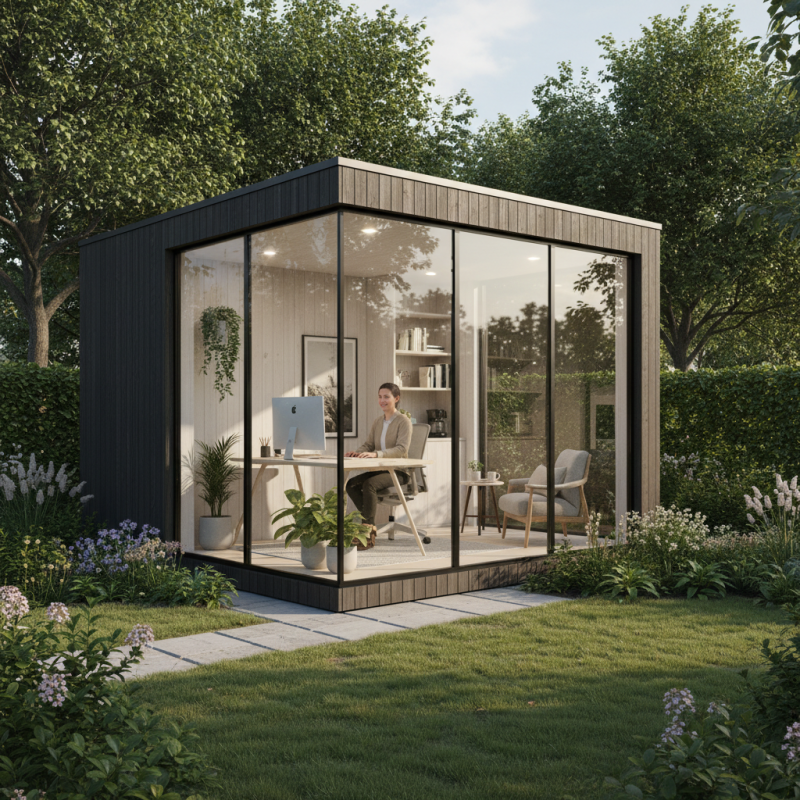
A prefab home office offers several benefits tailored for remote workers. Studies show that remote work can boost productivity by up to 40%. A dedicated space minimizes distractions, allowing focused work. The design of a prefab office promotes a clear separation between work and home life, enhancing work-life balance.
Customization is a key advantage. Workers can select layouts that suit their needs. About 73% of remote employees report that a comfortable workspace increases their job satisfaction. Moreover, prefabs are often built with sustainable materials. This contributes to lower energy bills, appealing to eco-conscious individuals.
However, it’s essential to evaluate space and budget. Allocating a corner of your yard might be all you need, but some may require larger models. The initial investment varies. Reflecting on your long-term goals is crucial. A prefab office can be a worthwhile investment if planned carefully.
Key Features to Consider When Choosing a Prefab Home Office
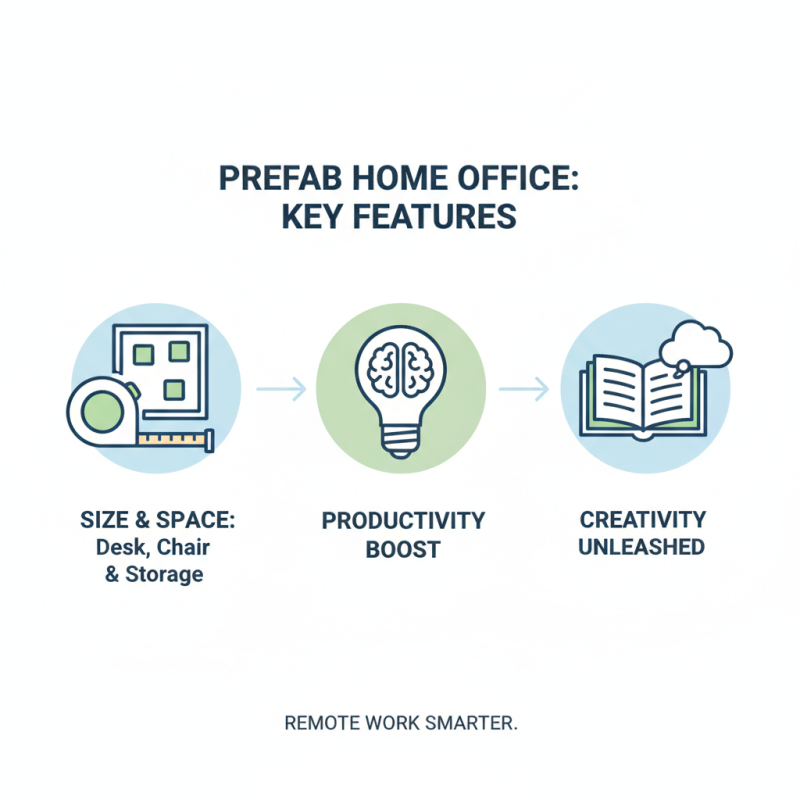
When choosing a prefab home office for remote work, focus on key features to enhance your productivity. Start with size. Ensure the space can accommodate your work essentials, like a desk, chair, and storage. A room that feels cramped can stifle creativity.
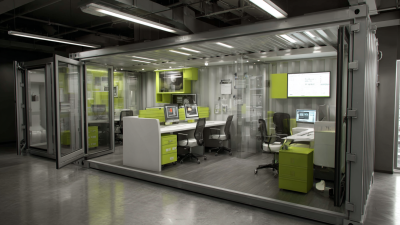
Think about the layout. An open layout provides flexibility. However, defined spaces can improve focus. Consider how you plan to use the office. Set aside areas for meetings, calls, or quiet reflection. This can help maintain a work-life balance—something many struggle with in remote setups.
**Tip:** Select a location with good natural light. Sunlight can boost mood and energy levels.
Next, pay attention to insulation and ventilation. Proper insulation keeps your space comfortable year-round. Good airflow can improve concentration. Inadequate ventilation might lead to discomfort, distracting you from important tasks.
**Tip:** Include shelving or wall organizers. These keep clutter at bay, aiding focus.
Don’t overlook technology needs. Ensure your home office has enough power outlets and high-speed internet access. Your workflow depends on reliable connections and the ability to power your devices.
**Tip:** Design the workspace to minimize distractions. A dedicated office space signals to others that you’re at work.
Cost-Effectiveness of Prefab Home Offices Compared to Traditional Options
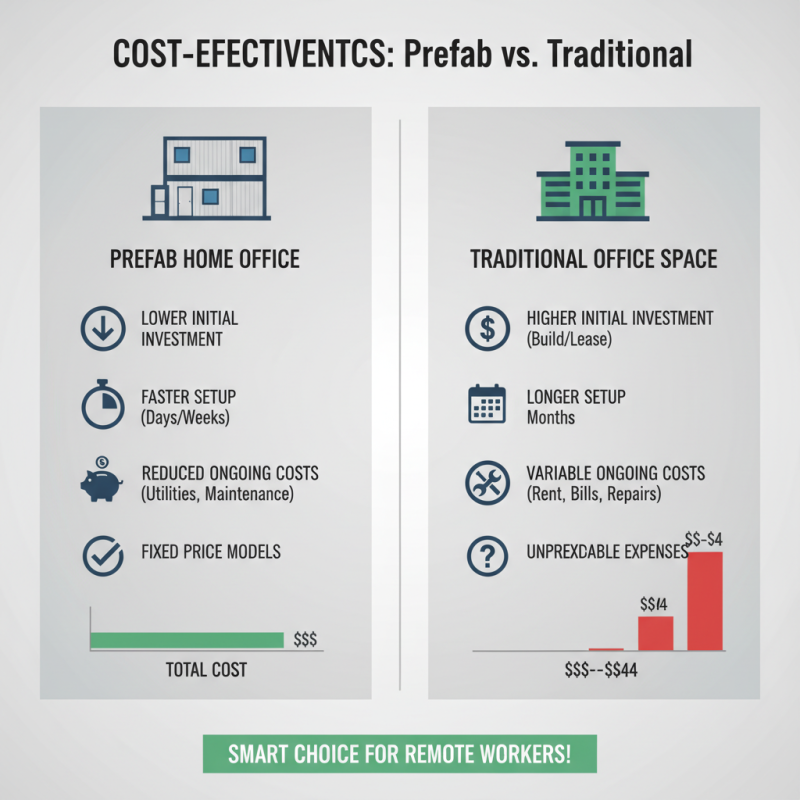
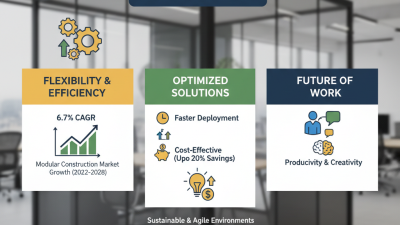
Prefab home offices are gaining popularity among remote workers. They offer a cost-effective solution compared to traditional office spaces. With rising rent and maintenance costs, many professionals find prefab options appealing. These structures often require less investment and are quicker to set up.
Creating a functional workspace shouldn't break the bank. Prefab offices can be built with various materials. This flexibility allows for customization without hefty price tags. Some might argue that these homes lack character. However, they can be designed to reflect personal style. Small touches, like a vibrant color or unique furnishings, can enhance the office atmosphere.
Many users appreciate the efficiency of prefab home offices. Quick delivery and assembly save both time and money. Yet, it’s crucial to consider local regulations. Some may face zoning issues or require permits. Balancing convenience with compliance can present challenges. These factors highlight the need for careful planning.
Design Flexibility and Customization Options for Prefab Offices
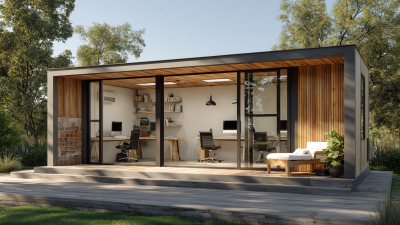
Prefab home offices offer incredible design flexibility and customization options, making them ideal for remote work. One of the most compelling reasons to choose a prefab office is the ability to tailor the space to your personal needs. You can select layouts that fit your workflow. Whether you require an open space or separate zones for different tasks, the options are plentiful.
The materials used in prefab homes also allow for creativity. From eco-friendly options to luxurious finishes, the design process can reflect your style. Imagine choosing wall colors that inspire creativity or layouts that enhance productivity. However, while customization is exciting, it can be overwhelming. It’s easy to get lost in the myriad of choices available. Finding a balance between personal taste and functional design is crucial.
Consider the size of your prefab office. A smaller space can feel cramped, while a larger area may dilute focus. Reflection on these factors is essential. Understand your needs and limit your options to avoid decision fatigue. Ultimately, a prefab office should be a space where you feel comfortable and productive, as well as a true reflection of your professional identity.
Environmental Impact of Prefab Homes and Sustainability Factors
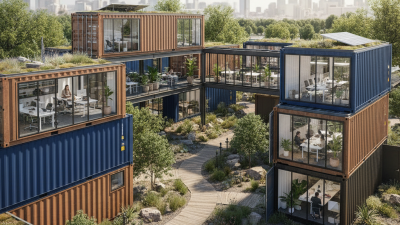
Prefab homes are emerging as a sustainable solution for creating home offices. The environmental impact of these structures is noteworthy. According to a 2022 report by the USDA, prefab homes consume up to 60% less energy during construction than traditional homes. This significant reduction in energy use plays a pivotal role in minimizing carbon footprints.
Building with prefab technology often leads to less waste. The same USDA study found that prefab processes generate 90% less construction waste. This factor is vital for sustainability, as reducing landfill waste mitigates pollution. The precision manufacturing of prefab homes also allows for better insulation. Efficient insulation can lead to energy savings of about 30% annually.
**Tip:** Consider how your choice of workspace reflects your environmental values. Invest in a home office that reduces your carbon footprint.
While prefab homes have advantages, they may not suit everyone. Some find the design options limiting. Customization can feel restricted compared to traditional builds. Exploring various prefab designs can uncover more flexibility than initially perceived.
**Tip:** Explore local prefab options. Local materials can further enhance sustainability and reduce transportation emissions.
Environmental Impact of Prefab Homes vs. Traditional Homes