Exploring the Rapid Rise of Shipping Container Buildings: A Sustainable Solution for Urban Housing
As urban populations continue to surge, the demand for
affordable and sustainable housing solutions
has reached unprecedented levels. One innovative concept gaining traction in urban development is the use of
shipping container buildings.
These versatile structures, originally designed for transporting goods across oceans, are now being repurposed
to address the escalating housing crisis. By transforming discarded containers into functional
living spaces, architects and developers are not only promoting sustainability through recycling but also creating
cost-effective housing options that can be rapidly deployed
in densely populated areas.
This article will delve into the burgeoning trend of shipping container buildings, exploring their benefits,
design possibilities, and the challenges faced in their implementation,
ultimately demonstrating how they represent a forward-thinking approach to urban housing crises.
The Emergence of Shipping Container Housing: An Overview of Market Trends
The rise of shipping container housing represents a significant trend in the urban housing market, addressing the urgent need for affordable and sustainable living solutions. According to a report by Research and Markets, the global market for modular construction, including container homes, is projected to grow at a compound annual growth rate (CAGR) of 6.8% from 2021 to 2026. This underscores a growing acceptance of container housing as a viable alternative to traditional construction methods, driven by the dual demand for cost-effective solutions and environmentally friendly practices.
One of the key benefits of shipping container homes is their sustainability. These structures not only repurpose unused shipping containers, reducing waste, but also require significantly less time to build compared to conventional houses. Furthermore, they can be equipped with green technologies such as solar panels and rainwater harvesting systems. A study by the National Association of Home Builders (NAHB) highlights that more than 50% of millennials are interested in sustainable living options, further pushing the demand for such innovative housing solutions.
Tip: When considering shipping container housing, it's essential to assess local zoning laws and building codes since regulations can vary widely by region. Additionally, investing in adequate insulation and ventilation systems will enhance energy efficiency and comfort in your new living space.
Exploring the Rise of Shipping Container Buildings
Benefits of Shipping Container Buildings in Urban Environments: Cost and Time Efficiency
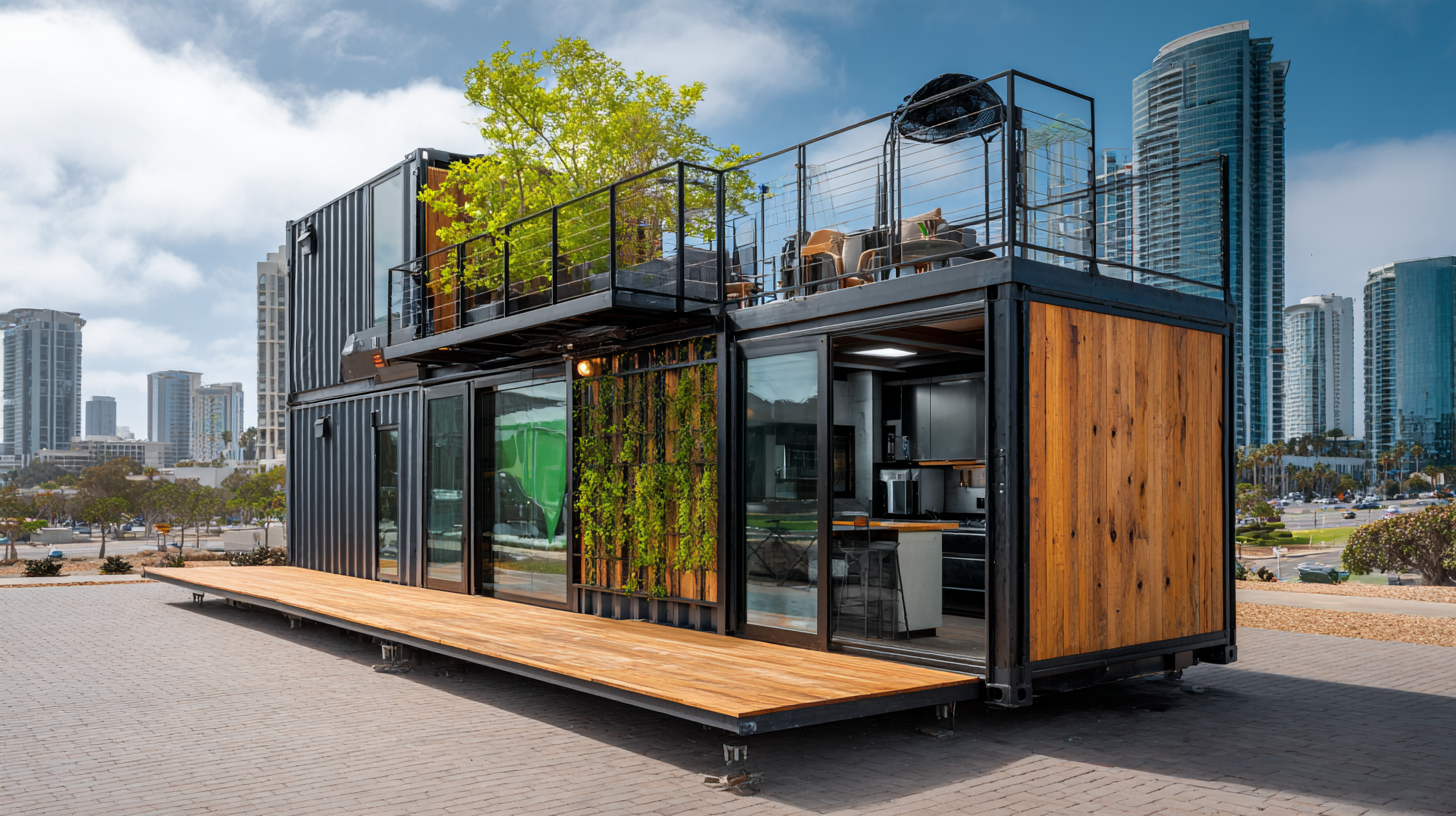 Shipping container buildings have emerged as a transformative solution for urban housing, particularly due to their cost and time efficiency. Utilizing repurposed containers significantly reduces the overall expenditure associated with traditional construction methods. The materials and labor costs are often lower, and the speed of construction is greatly accelerated. This is particularly advantageous in urban settings where the demand for housing is urgent and real estate prices are soaring. By converting shipping containers into livable spaces, cities can rapidly provide affordable housing options without the extensive financial burden of conventional building processes.
Moreover, the modular nature of shipping container buildings allows for flexible design and easy assembly, making it possible to create various layouts and accommodate diverse community needs. This adaptability not only optimizes the use of space in densely populated areas but also fosters innovative architectural solutions. The ability to stack and arrange containers in multiple configurations enhances their appeal for urban developers looking for quick and efficient building options.
Altogether, the integration of shipping container structures into urban environments presents a practical answer to the ongoing challenges of affordable housing and urbanization.
Sustainability Metrics: How Shipping Container Homes Reduce Carbon Footprint
 Shipping container homes have emerged as a viable solution amidst the pressing challenges of urban housing scarcity and environmental sustainability. These innovative structures leverage the inherent strengths of shipping containers, transforming them into livable spaces while minimizing the carbon footprint associated with traditional construction methods. By repurposing materials that would otherwise contribute to landfill waste, container homes not only reduce material consumption but also lower energy expenditures during the building process.
Sustainability metrics related to shipping container homes reveal significant environmental benefits. For instance, these structures often utilize green building techniques, such as solar panels and efficient insulation, which further diminish energy usage. Moreover, the compact design of container homes encourages a smaller living footprint, promoting sustainable urban living. The ability to stack and arrange multiple containers also maximizes land use efficiency, crucial in densely populated areas. As more cities recognize the advantages of shipping container architecture, this trend towards sustainable urban housing continues to gain momentum, offering a promising alternative for future developments.
Regulatory Challenges and Innovations in Shipping Container Building Designs
The rise of shipping container buildings presents both innovative opportunities and regulatory challenges in urban housing. As cities face increasing demands for affordable housing, shipping containers offer a sustainable solution that is both cost-effective and environmentally friendly. However, the implementation of these projects is often hindered by a complex web of regulations governing building codes, zoning laws, and safety standards. Navigating these legal frameworks requires innovative approaches to design and construction, ensuring that these unique structures meet urban requirements while fulfilling the need for sustainable living.
As the maritime industry pushes toward green transformation, shipping container architecture plays a pivotal role. The concept of repurposing these containers aligns with broader sustainability efforts, reflecting a shift in urban development practices. Innovations in container design are at the forefront of this movement, showcasing how creativity can address regulatory obstacles. Future advancements may focus on integrating smart technologies into container homes, enhancing energy efficiency and livability. As cities adapt to new environmental standards, the collaboration between architects, developers, and regulatory bodies will be crucial in realizing the full potential of this trend.
Exploring the Rapid Rise of Shipping Container Buildings: A Sustainable Solution for Urban Housing - Regulatory Challenges and Innovations in Shipping Container Building Designs
| Aspect |
Details |
| Initial Cost |
$10,000 - $30,000 per unit |
| Average Size |
320 - 640 sq ft |
| Construction Time |
4 - 12 weeks |
| Life Span |
50+ years with proper maintenance |
| Environmental Impact |
60% less waste compared to traditional buildings |
| Heat Resistance |
High insulation potential |
| Regulatory Challenges |
Zoning laws, building codes, and permits |
| Innovations |
Modular designs, green technologies, energy efficiency |
Case Studies: Successful Urban Container Housing Projects Transforming Communities
In recent years, numerous urban container housing projects have emerged, showcasing innovative designs that address housing shortages while promoting sustainability. A notable example is the Container Park in Las Vegas, which transformed shipping containers into a vibrant hub for shops, restaurants, and community events. This project not only revitalized a previously under-utilized area but also demonstrated how container buildings can enhance local economies and social interactions.
Another significant case study is the "Cargotecture" initiative in Portland, Oregon, where a series of residential units crafted from repurposed containers provide affordable housing options. These units have successfully integrated into the urban landscape, offering modern amenities while minimizing environmental impact. The project highlights how shipping container constructions can effectively mitigate urban housing crises by providing quick, adaptable, and eco-friendly housing solutions to diverse communities. Each of these projects exemplifies the potential of container architecture to redefine urban living and foster community engagement.