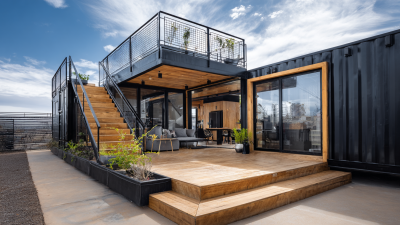
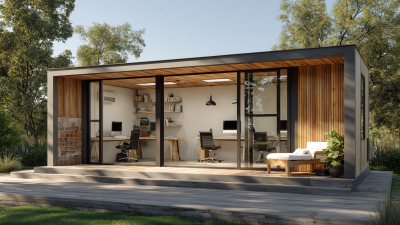
Unleashing Creativity: How Shipping Container Buildings Are Redefining Modern Architecture
In recent years, shipping container buildings have emerged as a revolutionary trend in modern architecture, blending sustainability with innovative design. According to a 2021 report from Market Research Future, the global market for modular buildings, which prominently includes shipping container constructions, was valued at approximately $75 billion and is projected to grow at a compound annual growth rate (CAGR) of over 6% through 2027. This growth is largely driven by the increasing need for cost-effective housing solutions, especially in urban areas facing space constraints.
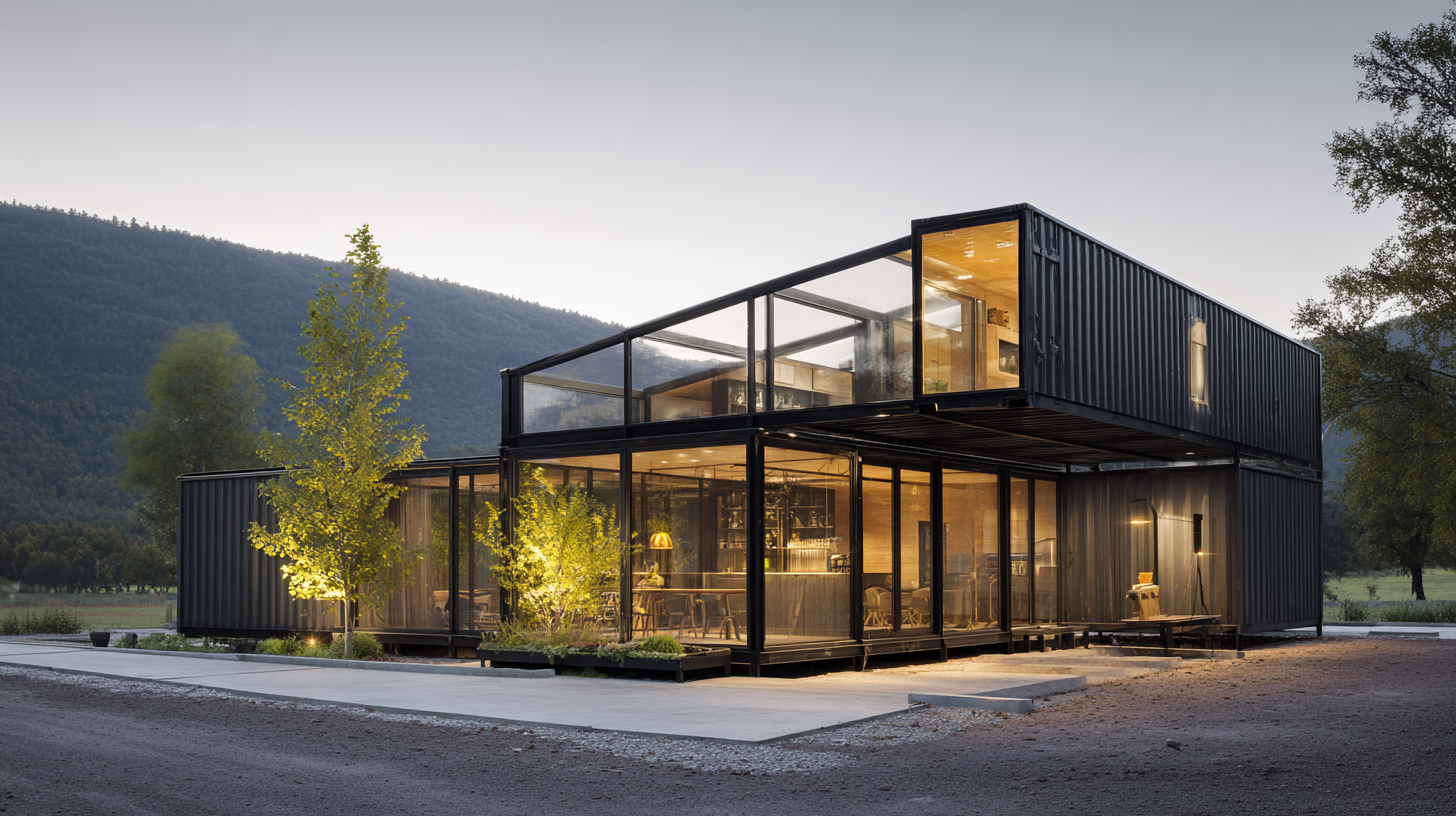 Shipping container buildings offer a versatile option for both residential and commercial spaces, enabling architects and designers to push creative boundaries while adhering to environmental sustainability standards. As the movement gains momentum, it challenges traditional building methods and encourages a reinvention of urban landscapes, making it a noteworthy subject for exploration in redefined architectural practices.
Exploring the Versatility of Shipping Containers in Modern Design
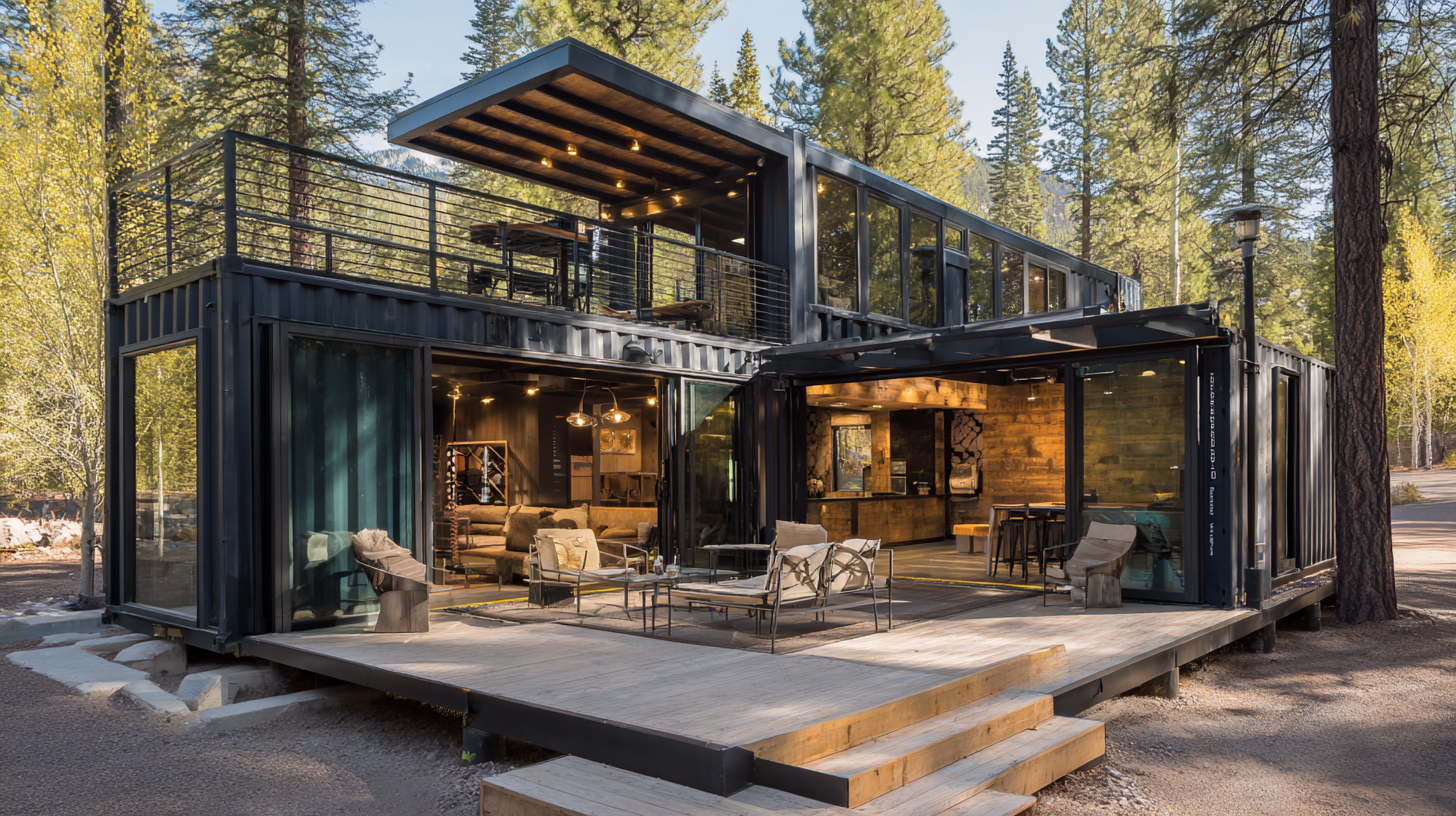 The versatility of shipping containers in modern design is revolutionizing architecture across the globe. According to a report by the World Economic Forum, the adoption of shipping container buildings has surged by over 50% in the last five years, showcasing their growing popularity for both residential and commercial uses. Their modular nature and durability make them an appealing choice for innovative projects, from pop-up cafes to affordable housing solutions. The ability to quickly assemble and dismantle these structures allows for creative flexibility, catering to a market that increasingly values sustainability and cost-effectiveness.
Tips for Designing with Shipping Containers: When considering a shipping container project, it's essential to prioritize insulation and ventilation to ensure comfort within the space. Additionally, incorporating large windows and open layouts can enhance natural light and create an inviting atmosphere. Lastly, always check local regulations regarding container modifications to ensure compliance and streamline your project.
As architects and designers seek eco-friendly materials, shipping containers present an attractive solution. With nearly 600,000 shipping containers reported to be unused in ports globally by the United Nations, repurposing these structures not only addresses housing shortages but also significantly reduces waste, paving the way for sustainable urban development.
Innovative Design Techniques for Creating Functional Spaces with Containers
Shipping container buildings are transforming the landscape of modern architecture through innovative design techniques that maximize function and aesthetic appeal. Recent studies indicate that the use of shipping containers in construction has surged by over 25% in the last five years, reflecting a growing acceptance of unconventional materials in residential and commercial projects. Architects are now employing modular designs that enhance the versatility of these containers, allowing for creative layouts that cater to diverse needs—from affordable housing to unique office spaces.
One prominent technique is the incorporation of sustainable design principles. According to the World Green Building Council, buildings constructed with reused materials, like shipping containers, can significantly reduce carbon footprints—by as much as 35% compared to traditional structures. Additionally, the implementation of concepts such as adaptive reuse and multi-functional spaces ensures that these structures not only meet environmental standards but also serve the multifaceted demands of contemporary living. By blurring the boundaries between interior and exterior spaces, container architecture invites a fresh dialogue on how we utilize urban environments.
A Step-by-Step Guide to Transforming Shipping Containers into Homes
Shipping container buildings are revolutionizing modern architecture, providing a sustainable and innovative solution for housing. The transformation of these containers into homes involves several key steps that capitalize on their structural advantages while promoting environmental responsibility. According to a report by the World Economic Forum, the use of repurposed shipping containers in construction can reduce costs by as much as 20-30% compared to traditional building methods. This affordability makes container homes an appealing option for both developers and buyers seeking economical living solutions.
The process begins with sourcing high-quality shipping containers, which are typically available from shipping companies and can be purchased for as little as $1,500 each. Once the containers are acquired, they undergo necessary modifications to create functional living spaces. This can include insulation, plumbing, and electrical installations, which can be guided by local building codes. Industry reports suggest that the global market for prefabricated buildings, including shipping container homes, is expected to reach $150 billion by 2026, further indicating a growing trend in this construction method. By maximizing utility and minimizing waste, transforming shipping containers into homes epitomizes the fusion of creativity and sustainability in modern architecture.

Sustainable Features of Shipping Container Architecture for Eco-Friendly Living
Shipping container architecture is rapidly gaining popularity as a sustainable alternative to traditional building methods. These structures are not only cost-effective but also promote eco-friendly living by repurposing materials that would otherwise contribute to waste. By utilizing existing shipping containers, architects and builders can reduce the demand for new raw materials, thereby minimizing the carbon footprint associated with construction. Additionally, many designs incorporate energy-efficient features such as solar panels, green roofs, and advanced insulation, further enhancing their environmental benefits.
The modular nature of shipping container buildings allows for flexibility in design, making it easier to create unique and innovative living spaces that align with sustainable principles. Many architects are integrating natural lighting and ventilation solutions, which reduce reliance on artificial climate control systems. The ability to stack and arrange containers in various configurations not only promotes creative architectural solutions but also facilitates a smaller ecological footprint. As the world increasingly seeks sustainable living options, shipping container architecture stands out as a practical and imaginative approach to modern design.
Case Studies: Successful Shipping Container Projects Transforming Communities
Shipping container buildings are revolutionizing the architectural landscape, particularly in urban environments where space is limited and sustainability is crucial. Case studies from around the world showcase how these modular structures have transformed communities, offering innovative solutions that cater to both economic and social needs. In cities like Amsterdam, container villages have emerged, providing affordable housing for students and artists. These vibrant communities not only address housing shortages but also foster a sense of collaboration and creativity among residents.
In addition to housing, shipping container projects have been successfully implemented as community centers and pop-up markets. For instance, in Los Angeles, a series of repurposed containers have been transformed into a thriving food market, promoting local vendors and enhancing community engagement. This approach not only reinvigorates underutilized spaces but also encourages sustainable practices by repurposing materials that would otherwise contribute to waste. Through these real-world examples, the adaptability and resilience of shipping container architecture are evident, changing the way we think about design and functionality in modern urban planning.