How Shipping Container Houses Are Revolutionizing Affordable Housing: Trends and Insights for 2024
As the world grapples with an ever-increasing housing crisis, innovative solutions are emerging to address affordability and sustainability. Among these, the shipping container house is gaining significant attention for its unique blend of practicality and environmental consciousness. These repurposed structures offer a cost-effective alternative for housing individuals and families while minimizing waste and reducing the carbon footprint associated with traditional construction methods.
In 2024, trends indicate that shipping container houses will not only continue to gain popularity as a viable housing option but also evolve technologically, incorporating smart home features and eco-friendly designs. This article will explore how shipping container houses are redefining affordable living spaces, providing insights into trends that are anticipated to shape the future of urban development and individual home ownership.
Join us as we delve into the fascinating world of shipping container houses and their potential to revolutionize the housing landscape.
Emerging Trends in Shipping Container Homes: Affordability and Sustainability for 2024
The rise of shipping container homes is transforming the landscape of affordable housing by emphasizing both affordability and sustainability. As urban centers grapple with skyrocketing living costs, more individuals and families are turning to container homes as a viable alternative. These structures not only reduce construction expenses but also offer quick build times, making them an attractive solution for those in urgent need of housing. The inherent durability of shipping containers, combined with innovative design options, allows homeowners to customize their living spaces while keeping costs low.
In 2024, emerging trends in shipping container housing are shifting towards eco-consciousness, with a growing emphasis on sustainable living. Many builders are integrating renewable energy sources, such as solar panels, and utilizing recycled materials in their designs. Additionally, incorporating green technologies, like rainwater harvesting and energy-efficient insulation, enhances the sustainability of container homes. This trend attracts environmentally aware consumers and aligns with global efforts to reduce carbon footprints. The combination of affordability and eco-friendliness positions shipping container homes as a forward-thinking solution to the housing crisis, appealing to a broader demographic seeking practical and sustainable living options.
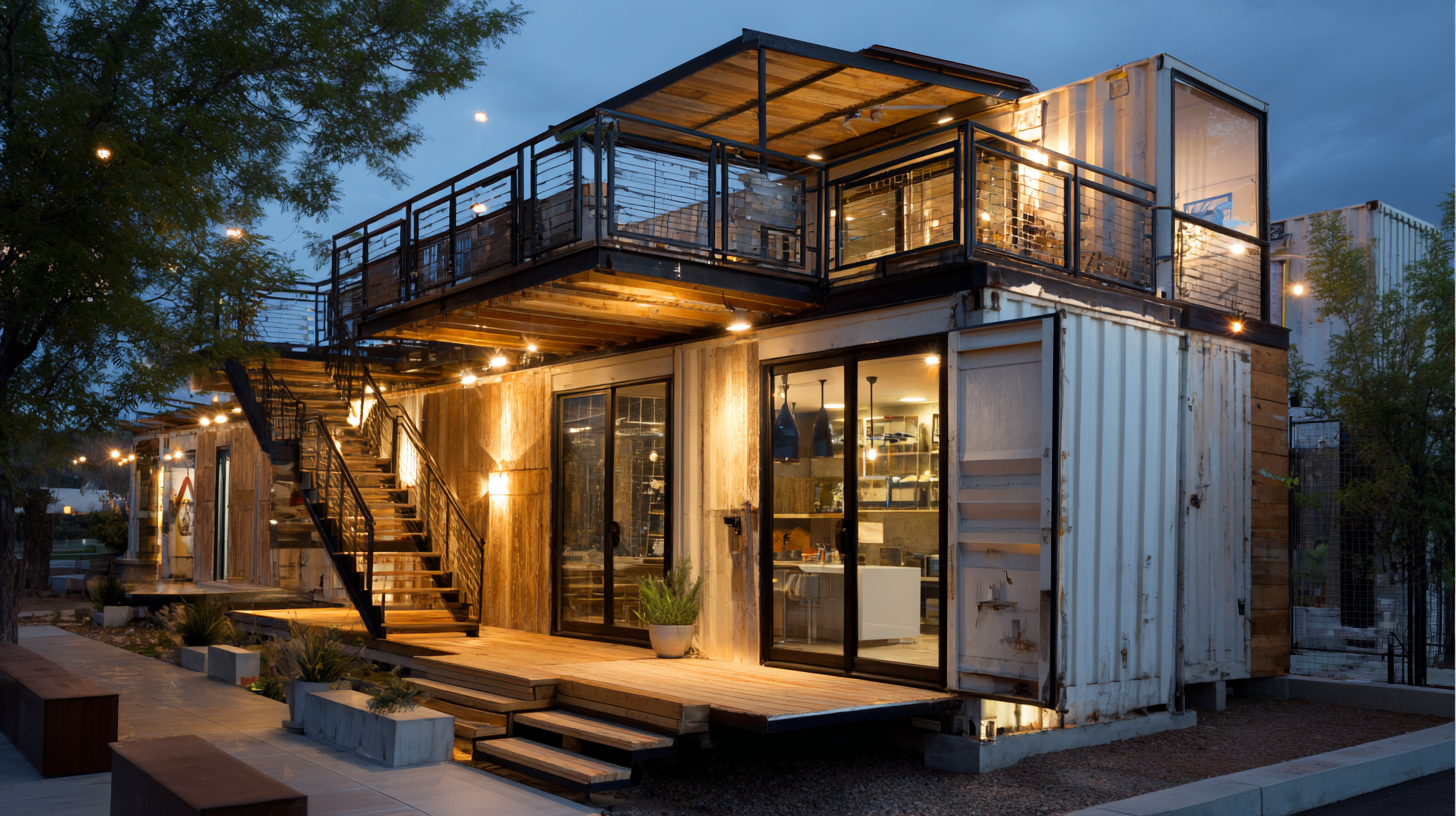
Market Insights: Cost Comparisons of Shipping Container vs. Traditional Homes
The growing interest in shipping container houses is reshaping the affordable housing market significantly. Recent market insights indicate that shipping container homes can be constructed for approximately $10,000 to $50,000, depending on customization and location. This cost is notably lower than traditional homes, where the average construction cost typically ranges from $150,000 to $500,000. The stark difference in pricing highlights the potential for shipping container houses to provide viable solutions for low to middle-income families seeking affordable housing options.
As we move towards 2024, the trend of using shipping containers for housing is expected to gain traction. According to industry reports, an increasing number of buyers are recognizing the sustainability and efficiency offered by container homes. The adoption of these structures aligns with the contemporary focus on eco-friendly and cost-effective living solutions. Additionally, manufacturers are ramping up their production efforts, establishing partnerships to ensure the availability of modified containers that meet specific housing needs, thereby further driving down costs and making this innovative housing option more accessible.
Innovative Designs: Personalization and Customization in Container Living Spaces
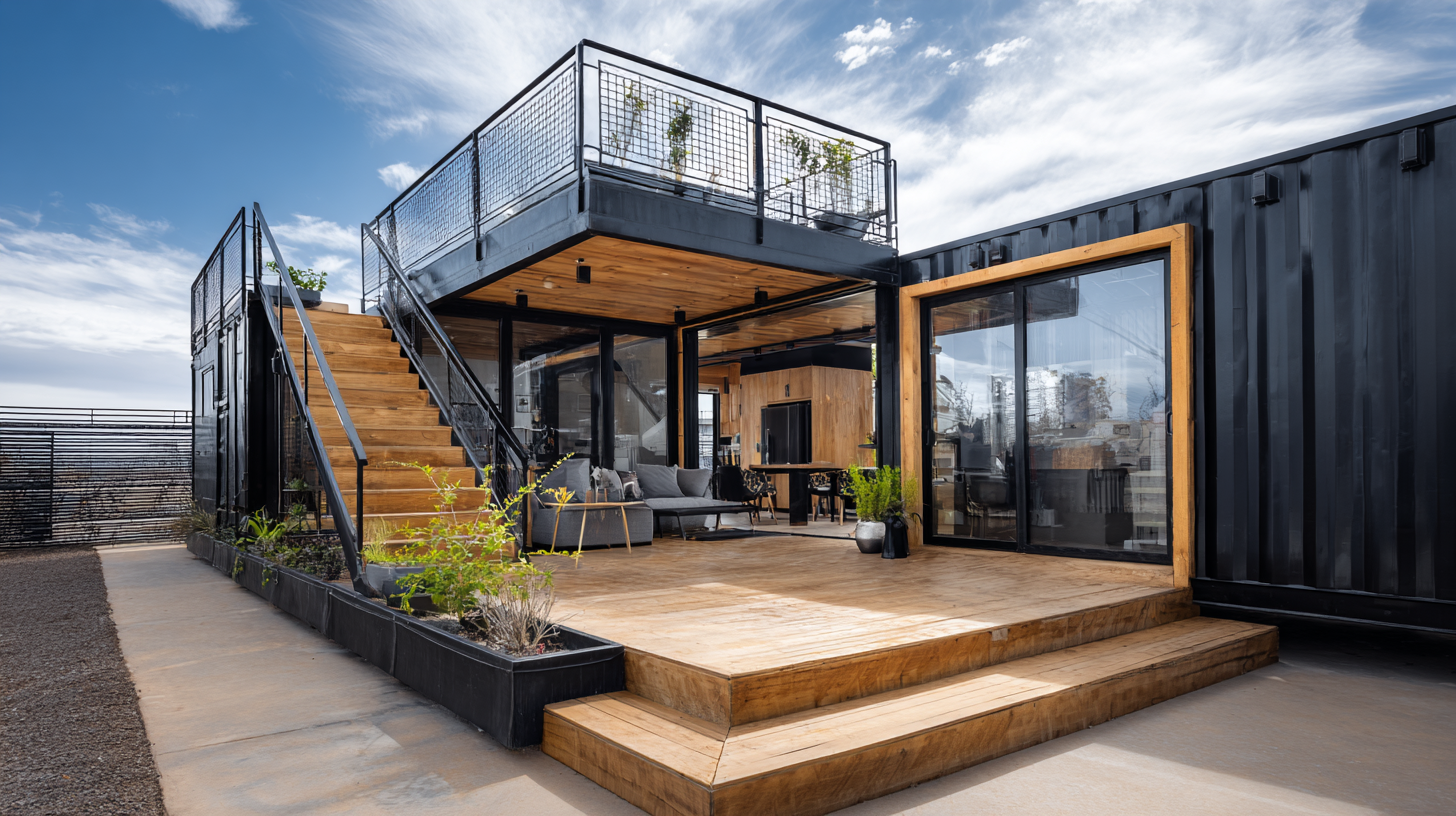
The rise of shipping container houses is shaping the future of affordable housing, especially in terms of personalization and customization. As more homeowners seek unique living experiences, designers are embracing innovative approaches to transform standard containers into bespoke dwellings. The flexibility of container architecture allows for various layouts and configurations, catering to individual preferences – from open-plan spaces to cozy nooks. Homeowners can choose specific finishes, color schemes, and layouts that reflect their personal style, making each container home distinct and tailored to its owner.
In 2024, the trend of customization is expected to grow, with more tech-driven solutions enhancing the design process. Virtual reality (VR) tools and augmented reality (AR) applications are helping potential homeowners visualize their spaces before construction begins, allowing for real-time adjustments to be made. Additionally, incorporating sustainable materials and energy-efficient technologies into these personalized designs showcases a commitment to environmental stewardship. As shipping container houses continue to evolve, the balance between affordability and personalization will redefine modern living, fostering a deeper connection between owners and their homes.
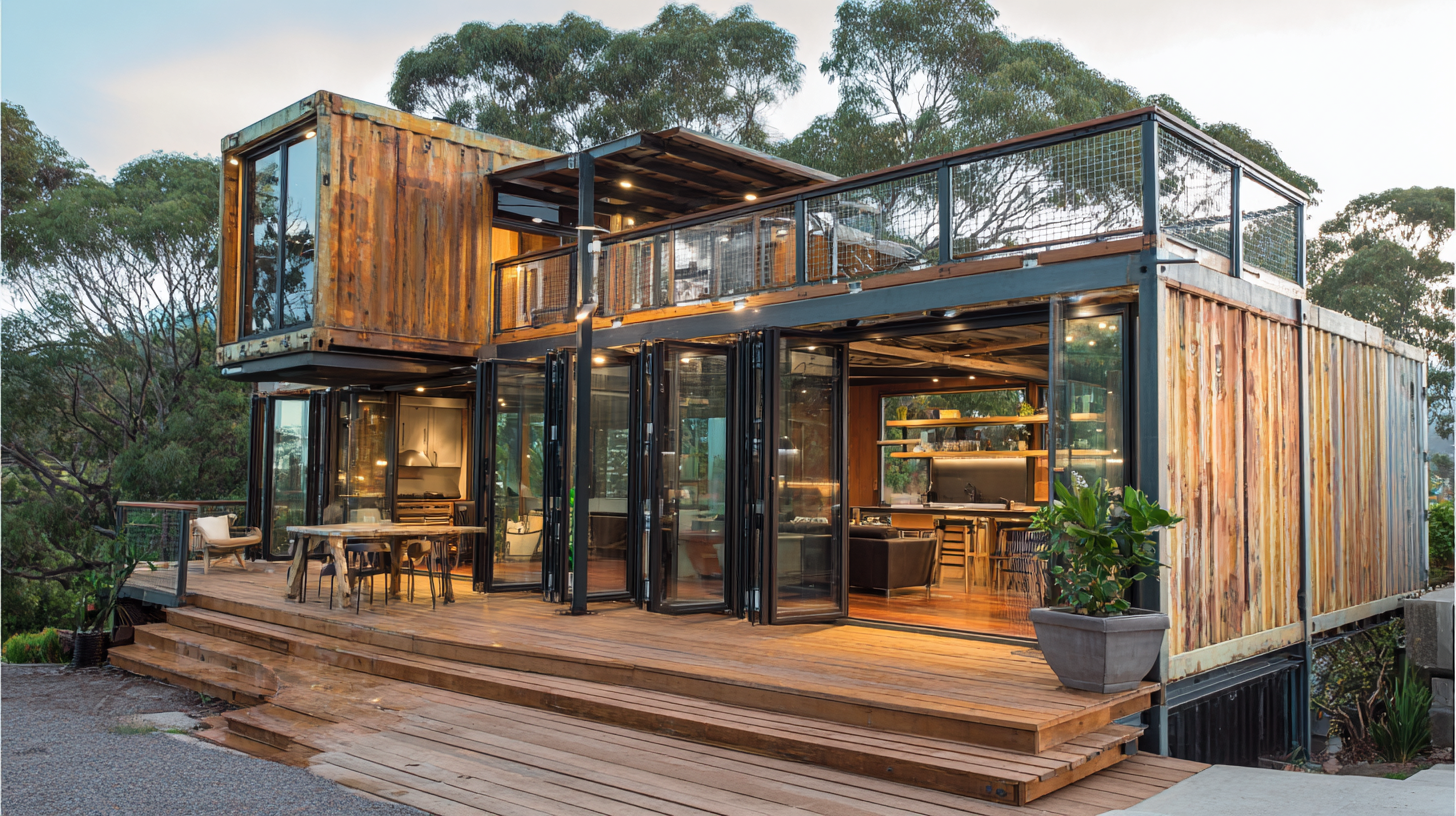
Urban Development: How Container Housing Addresses Housing Shortages in Cities
The rise of shipping container houses is becoming a pivotal solution to address housing shortages in urban areas. As cities continue to grapple with escalating populations and limited space, container homes offer a creative alternative that is not only affordable but also easily scalable. By repurposing these robust metal structures, developers can quickly construct livable spaces that meet the immediate needs of residents. This innovative approach not only minimizes waste but also reduces construction time, allowing communities to benefit from new housing options in a fraction of the time compared to traditional building methods.
Moreover, container housing contributes to sustainability in urban development. The ability to modify and stack containers means that cities can utilize unclaimed land or underutilized lots without significant environmental disruption. This modular style of construction encourages the development of micro-communities, promoting a sense of togetherness while alleviating pressure on the housing market. As cities look to the future, embracing container housing could lead to a more resilient urban landscape, effectively turning a challenge into an opportunity for innovative growth in affordable living solutions.
Trends in Shipping Container Housing Affordability (2024)
This chart illustrates the average cost of shipping container homes from 2020 to 2024. As the trend indicates, the cost has gradually increased, reflecting growing interest and demand in urban development for affordable housing solutions.
Financial Incentives: Government Programs Supporting Container Home Construction in 2024
As the housing crisis intensifies, various government programs are aiming to support the construction of shipping container homes in 2024. These initiatives focus on providing financial incentives, such as grants and tax credits, making container homes an attractive alternative for first-time homebuyers and low-income families. According to a report by the National Association of Home Builders (NAHB), affordable housing construction has seen a 20% increase year-over-year, largely due to innovative funding strategies led by government agencies.
One of the most notable programs is the “Affordable Housing Container Initiative,” which allocates federal funds to local governments willing to develop container housing projects. This initiative not only stimulates job creation in the construction sector but also promises to reduce the overall cost of housing by up to 30%. Research from McKinsey & Company indicates that modular and containerized homes can be built at a significantly reduced cost compared to traditional methods, fostering a movement toward more sustainable and eco-friendly living solutions. As these financial incentives gain momentum, the container home market is set to thrive in 2024, encouraging a shift towards more accessible housing options.