Revolutionizing Sustainable Living with Container Houses and Their Impact on Urban Housing Solutions
In recent years, the concept of sustainable living has gained significant traction as urban populations continue to swell and environmental concerns escalate. Among the innovative solutions emerging in this domain, container houses have captured attention due to their versatility, affordability, and eco-friendly attributes. These repurposed shipping containers offer a unique approach to addressing the dual challenges of housing shortages and environmental sustainability in urban settings.
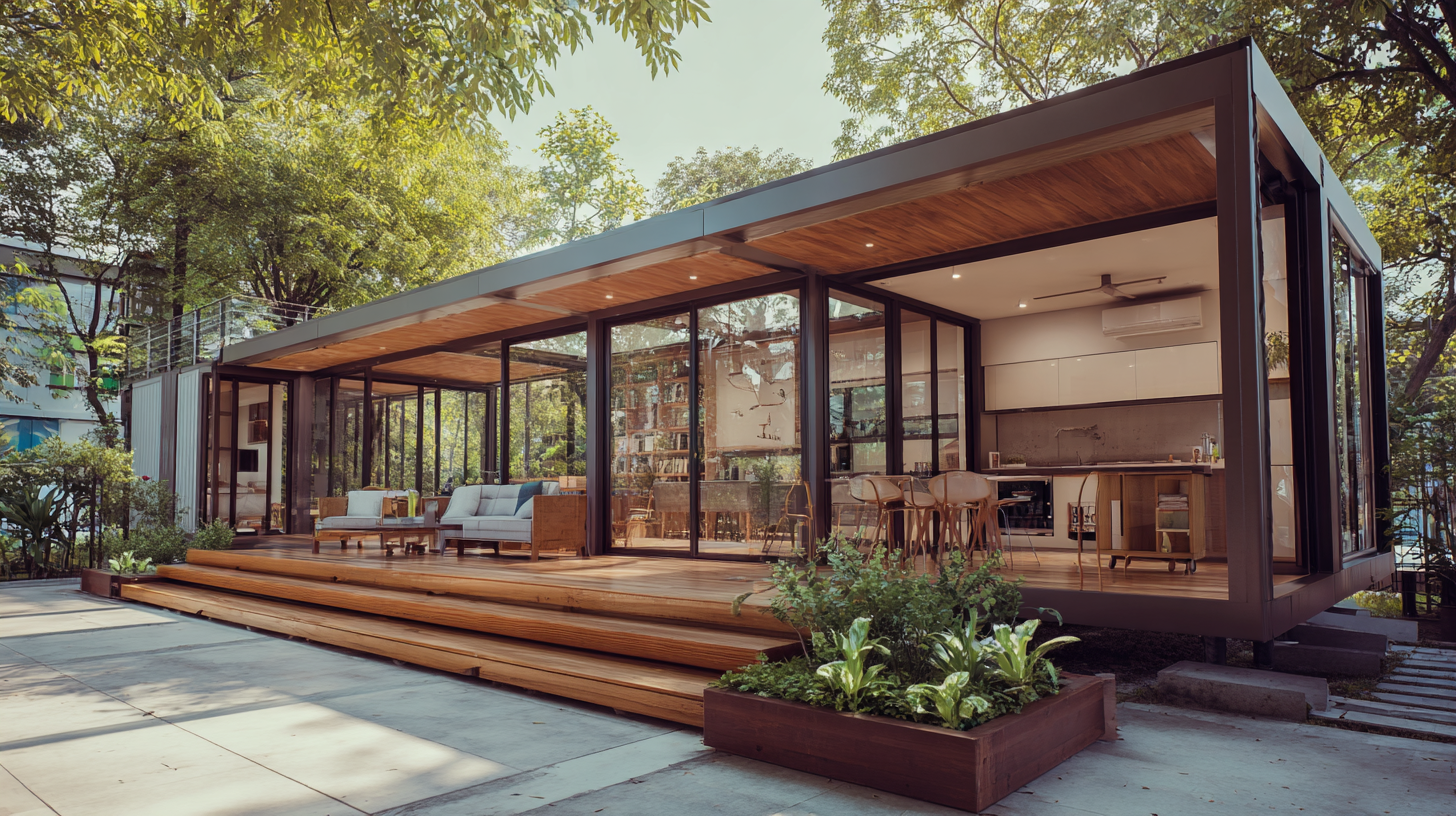
Container houses not only provide an efficient use of materials but also represent a shift towards more resilient architectural practices. As cities strive to reduce their carbon footprints and improve living conditions, container houses emerge as a viable alternative, blending modern design with practicality. This article delves into the transformative potential of container houses, exploring their benefits, drawbacks, and the broader implications they hold for urban housing solutions. By examining the top 10 ways these structures revolutionize sustainable living, we aim to illuminate the path towards greener, more efficient urban environments.
Innovative Container House Designs for Modern Urban Living
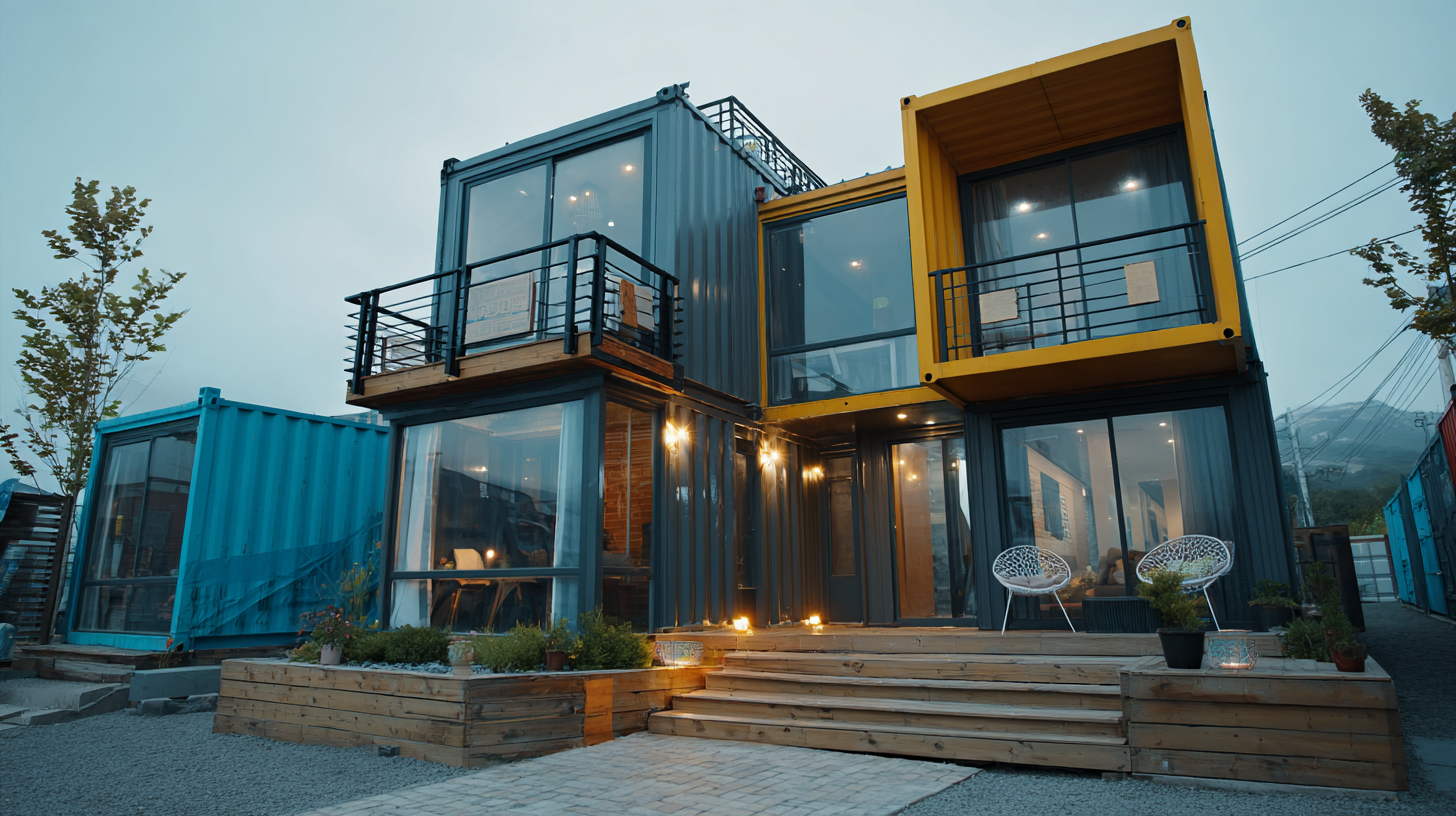
Innovative container house designs are redefining modern urban living by providing sustainable and adaptable housing solutions. These structures transform shipping containers into functional homes adorned with contemporary aesthetics and efficient use of space. With the rising need for affordable housing, container houses serve as a viable alternative, offering a cost-effective construction method that utilizes repurposed materials. Their modular nature allows for easy customization and expansion, catering to the diverse needs of urban dwellers.
Moreover, container houses embody eco-friendly principles that align with sustainable living. Their design often incorporates renewable energy sources such as solar panels, rainwater harvesting systems, and energy-efficient insulation. This reduces the carbon footprint of residential buildings in urban areas, contributing to a greener environment. As cities grapple with challenges like overcrowding and limited land availability, container houses present innovative solutions that promote efficient land use while addressing housing shortages, making them an essential part of the future of urban development.
Sustainable Materials and Their Role in Container House Construction
The use of sustainable materials in container house construction plays a crucial role in promoting eco-friendly living solutions. Container houses, typically made from repurposed shipping containers, minimize waste by giving new life to materials that would otherwise contribute to landfill overflow. By utilizing materials such as reclaimed wood, recycled metal, and insulated panels made from sustainable resources, these homes not only reduce environmental impact but also enhance energy efficiency, creating living spaces that are both affordable and environmentally responsible.
Incorporating advanced technologies like solar panels and rainwater harvesting systems can further elevate the sustainability of container houses. These innovations work in tandem with sustainable materials, allowing for reduced energy consumption and a smaller ecological footprint. As urban areas face increasing housing demands, the adaptability and resource efficiency of container houses position them as a viable solution. Their construction can be expedited compared to traditional methods, offering quicker occupancy while championing the principles of sustainability and resilience in urban environments.
Revolutionizing Sustainable Living with Container Houses and Their Impact on Urban Housing Solutions - Sustainable Materials and Their Role in Container House Construction
| Dimension |
Description |
Example Material |
Sustainability Benefit |
| Container Structure |
Utilization of shipping containers as building blocks |
Steel |
Recyclable and durable |
| Insulation |
Materials that provide thermal efficiency |
Recycled denim |
Reduces energy consumption |
| Flooring |
Sustainable options for interior flooring |
Bamboo |
Rapidly renewable resource |
| Paints |
Low-VOC and eco-friendly paint options |
Milk paint |
Non-toxic and biodegradable |
| Roofing |
Sustainable roofing materials |
Recycled rubber |
Water resistant and eco-friendly |
The Economic Benefits of Adopting Container Homes in Cities
Container homes have emerged as a viable solution for urban housing challenges, offering significant economic benefits that can transform city living. One of the primary advantages of adopting container homes is their cost-effectiveness. These structures often require less investment than traditional housing, as they utilize recycled shipping containers, which can be readily available at lower prices. Additionally, the construction time is considerably reduced, allowing for quicker deployment of housing in urban areas where demand is high. This efficiency not only decreases labor costs but also addresses urgent housing needs rapidly.
Moreover, container homes can contribute to sustainable urban development by reducing overall construction waste. By repurposing containers that would otherwise contribute to ecological harm, cities can promote environmentally friendly living. This approach minimizes the need for new materials, further lowering construction costs. Additionally, smaller container homes can be deployed in underutilized urban spaces, stimulating local economies by fostering new communities and attracting residents. As cities strive to accommodate growing populations while remaining economically viable, container homes present a practical solution that aligns economic benefits with sustainable living goals.
Economic Benefits of Container Homes Adoption in Urban Housing Solutions
Urban Planning Strategies for Integrating Container Houses
 The integration of container houses into urban planning strategies presents a promising solution for addressing the increasing demand for affordable housing in rapidly urbanizing areas. By repurposing shipping containers, cities can create modular homes that not only meet the needs for space and accessibility but also promote sustainability through lower carbon footprints and efficient use of resources. As demonstrated by initiatives like the City of Cleveland's transformative housing project, container houses can be pivotal in accelerating the development of high-quality, affordable homes, potentially alleviating housing shortages faced by diverse populations, including students across Europe.
Moreover, effective urban planning must consider mixed-use developments, which combine residential, commercial, and green spaces. This approach fosters community engagement and economic vitality while promoting environmental sustainability. By leveraging container houses within these frameworks, cities can maximize land use, encourage social interaction, and create vibrant neighborhoods. As urban areas continue to evolve, adopting strategies that embrace modular construction and sustainable living solutions will be crucial in overcoming the various challenges posed by urbanization.
Case Studies: Successful Implementation of Container Housing Solutions
Container housing has emerged as a groundbreaking solution for urban living, addressing both sustainability and housing shortages. Several successful case studies illustrate the impact of this innovative approach. In cities like Amsterdam, container homes have been utilized to provide affordable housing for students and young professionals, effectively tackling the rising costs of urban living. These modular units can be assembled quickly and customized to fit various community needs, demonstrating flexibility and efficiency in urban planning.
In the United States, cities such as
Los Angeles have initiated projects using shipping containers to create vibrant, eco-friendly neighborhoods. These developments not only offer a cost-effective solution to homelessness but also promote environmentally sustainable practices through recycled materials. Furthermore, community-driven designs have allowed residents to participate in the creation of their living spaces, fostering a sense of ownership and belonging. Such initiatives showcase how container housing can transform urban landscapes while addressing pressing social issues.