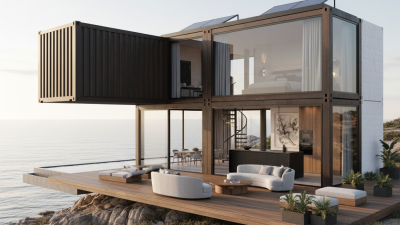
10 Tips for Buying Conex Container Homes Worldwide
Buying conex container homes across borders can look simple: choose a design, pay the supplier, and arrange delivery. Reality is less tidy. A low online price may exclude transport, customs charges, foundation work, insulation, or local installation.
Adam Kalkin, an architect widely recognized for container-based architecture, once described the concept clearly: “The container is a box, and a house is a box.” That comparison is useful, but incomplete. A safe home needs more than steel walls. Buyers must examine structural modifications, corrosion protection, ventilation, thermal performance, fire safety, plumbing, electrical systems, and climate suitability. A coastal site may demand stronger anti-corrosion treatment. A cold region may require thicker insulation and careful condensation control.
These 10 tips for buying conex container homes worldwide focus on decisions that are easy to overlook. They draw on practical purchasing concerns, construction knowledge, and the need to verify supplier claims. Check factory photographs, technical drawings, material specifications, warranties, and independent references. Ask who handles local approvals and who repairs defects after delivery. Do not trust attractive renderings alone.
Some projects fail through small omissions. A missing crane allowance can disrupt an entire budget. An unsuitable foundation can create expensive movement later. Even experienced buyers can misjudge regional requirements. That is worth admitting.
The goal is not to make container housing sound effortless. It is to help buyers compare suppliers carefully, identify hidden costs, and choose a durable home that fits its site, climate, and intended use.
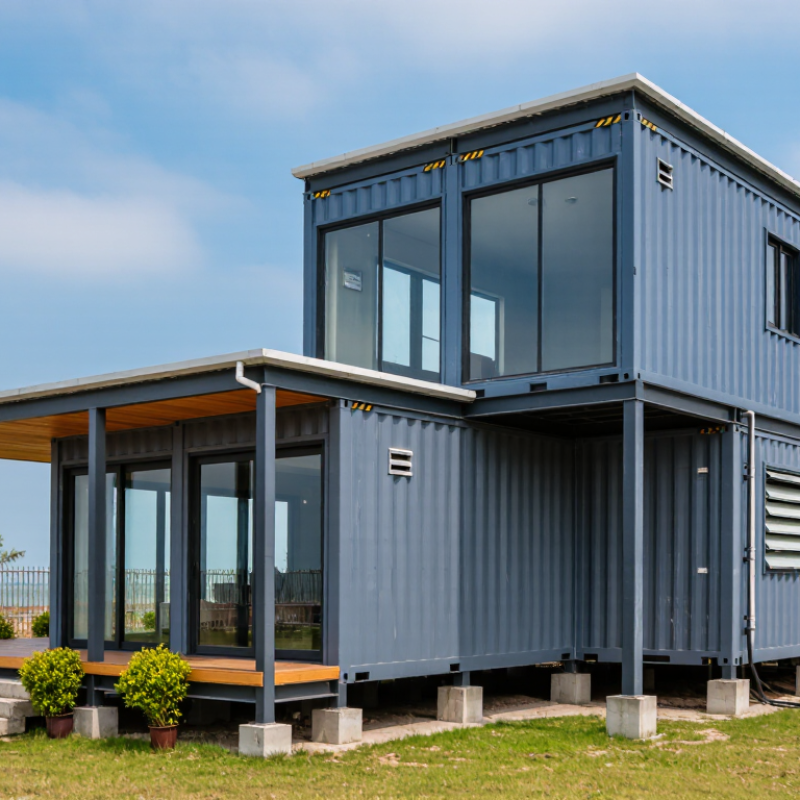
Define Your Housing Needs and Container Home Requirements
Before ordering a conex container home, define how you will live in it. List residents, sleeping arrangements, work areas, storage, accessibility, and future changes. A single unit may suit one person, but a family often needs connected modules or an extension. Measure furniture, not just rooms. A standard container’s interior width can feel narrow after insulation and wall services. That detail is easy to underestimate.
Write a practical requirements sheet with target floor area, ceiling height, window positions, bathroom count, kitchen equipment, and utility connections. Mark must-haves and compromises. For a cold climate, specify insulation, vapor control, heating, and protected plumbing. In hot regions, prioritize shading, cross-ventilation, roof insulation, and moisture control. Ask a qualified local professional to verify structural alterations, electrical plans, foundations, fire safety, and permits. Rules differ by location.
Your site also shapes the design. Check road access, crane clearance, ground capacity, drainage, wind exposure, and service distances before purchase. Request clear drawings, material specifications, inspection records, and a delivery plan. I once treated storage as an afterthought; the result was crowded circulation and expensive revisions. Leave room for maintenance, not only beautiful photographs. A realistic contingency budget matters because site work can change quickly.
Verify Container Quality, Safety Standards, and Structural Condition
10 Tips for Buying Conex Container Homes Worldwide
A container home starts with the box, not the floor plan. I inspect the corner castings, bottom rails, cross members, and roof seams before discussing finishes. Fresh paint can hide corrosion. I learned that the hard way.
The World Shipping Council’s 2024 Containers Lost at Sea report recorded 221 lost containers in 2023, from about 113 million transported. That figure is tiny, but it reinforces one point: structural condition matters. Ask for the unit’s identification number, manufacturing date, repair history, and previous cargo declaration. Check the CSC safety plate, where applicable. Its inspection status should be current under the International Convention for Safe Containers. ISO 1496-1 also provides recognized strength and testing requirements for freight containers.
Look closely at the floor. Chemical odors, soft plywood, deep stains, or patched sections deserve professional testing. Use a moisture meter and inspect after rain, not only under showroom sunlight. Doors should close squarely without force. Measure diagonal dimensions to reveal twisting. Welding repairs are not automatically unsafe, but poor welds require an engineer’s opinion. I sometimes expect a perfect used container; that expectation is unrealistic. Budget for corrosion treatment, insulation, ventilation, and structural reinforcement after cutting openings. Local building approval still applies, even when the container has a valid transport plate.
Compare Global Suppliers, Prices, Shipping, and Import Regulations
Buying a Conex container home across borders requires more than comparing the advertised unit price.
A basic 20-foot container may cost roughly $2,000–$8,000, while a modified home can exceed $15,000. Prices depend on steel condition, insulation, windows, plumbing, electrical work, and interior finishes. Request an itemized quotation. Confirm whether it includes engineering drawings, taxes, packing, port handling, and delivery to your site.
Supplier research should include manufacturing photos, material specifications, warranty terms, and independent customer references. Ask for moisture readings and rust treatment records, especially for used containers. A small sample room can reveal poor welding or weak insulation. Check the supplier’s export experience and response time. Slow answers are a warning sign. Still, communication alone proves little.
Shipping costs vary with container size, route, season, and destination port. Request both port-to-port and door-to-door quotes, then check demurrage, storage, customs brokerage, and inland transport fees. Measure the final access route; a narrow bridge or low cable can stop delivery. Import rules may require structural calculations, fire ratings, energy certificates, electrical approvals, or planning permission. Confirm requirements with your local building authority and customs office before paying a deposit. A house accepted in one country may fail inspection elsewhere. I would also budget for surprises, because early estimates often omit foundation work, crane hire, or local utility connections.
Assess Site Preparation, Utilities, Insulation, and Local Building Codes
10 Tips for Buying Conex Container Homes Worldwide
Tip: Begin with the land, not the container. A level site can still hide weak soil, drainage problems, or flood exposure. Request a professional geotechnical assessment before ordering. Check access for delivery vehicles, lifting equipment, and future maintenance. Water matters. Plan stormwater control, foundation anchoring, and safe pedestrian routes. In cold regions, frost depth may affect foundation design. In coastal or seismic areas, wind and earthquake requirements deserve closer review.
Tip: Map every utility connection early. Confirm local water pressure, electrical capacity, sewage options, and internet availability. Rural sites may require wells, septic systems, or upgraded power lines. Keep service points accessible after installation. Insulation also needs climate-specific planning. Closed spaces can become hot, damp, or uncomfortable without ventilation. Pay attention to thermal bridges around steel frames, windows, doors, and floor joints. A small condensation problem can become expensive.
Tip: Treat local building codes as design requirements, not paperwork. Rules may cover foundations, fire separation, emergency exits, ceiling height, energy performance, and structural modifications. Ask the local authority for written guidance. Then have a qualified designer or engineer review the plans. Requirements vary between countries and even neighboring municipalities. One mistake I still see is trusting general internet advice. Measure twice. Budget for inspections, permits, testing, and revisions. Reflection helps; an attractive layout may not suit the site.
Review Contracts, Customization Options, Warranties, and Delivery Terms
Tip 1: Read the contract like a site inspector, not a hopeful buyer. Confirm the container’s grade, dimensions, steel condition, insulation, plumbing, electrical work, and included appliances. Every promise should appear in writing. Check payment stages, inspection rights, cancellation terms, and responsibility for import charges. A vague phrase such as “ready to live in” can hide unfinished flooring or missing certificates.
Tip 2: Treat customization as an engineering decision. Ask for drawings showing window positions, door swings, ventilation routes, and load-bearing changes. Request the exact materials, thicknesses, and finishes. A larger window may improve daylight but weaken thermal performance in a hot climate. Custom work often changes the delivery schedule. I have seen attractive plans become expensive after small revisions. That possibility deserves honest discussion.
Tip 3: Examine the warranty line by line. Identify coverage periods for the frame, roof, waterproofing, appliances, and installed systems. Ask who pays for labor, replacement parts, shipping, and local repairs. A warranty limited to factory defects may not cover damage during transport or poor foundation preparation. Delivery terms need equal attention. Confirm the shipping method, unloading equipment, port duties, insurance, tracking documents, and final-mile access. Measure narrow roads and overhead cables before ordering. A container can arrive safely yet remain stuck outside the property. That mistake is avoidable, though buyers often discover it too late.
10 Tips for Buying Conex Container Homes Worldwide
Compare the usable capacity of common ISO container formats before reviewing contracts, customization options, warranties, and delivery terms.
Standard 20-foot containers typically provide about 33.2 m³ of internal volume, while 40-foot standard and 40-foot high-cube formats provide approximately 67.7 m³ and 76.4 m³ respectively. Actual capacity can vary by manufacturer, insulation, doors, flooring, and structural modifications. Confirm the final internal dimensions, payload limits, delivery access, warranty coverage, and local building requirements in the written contract.