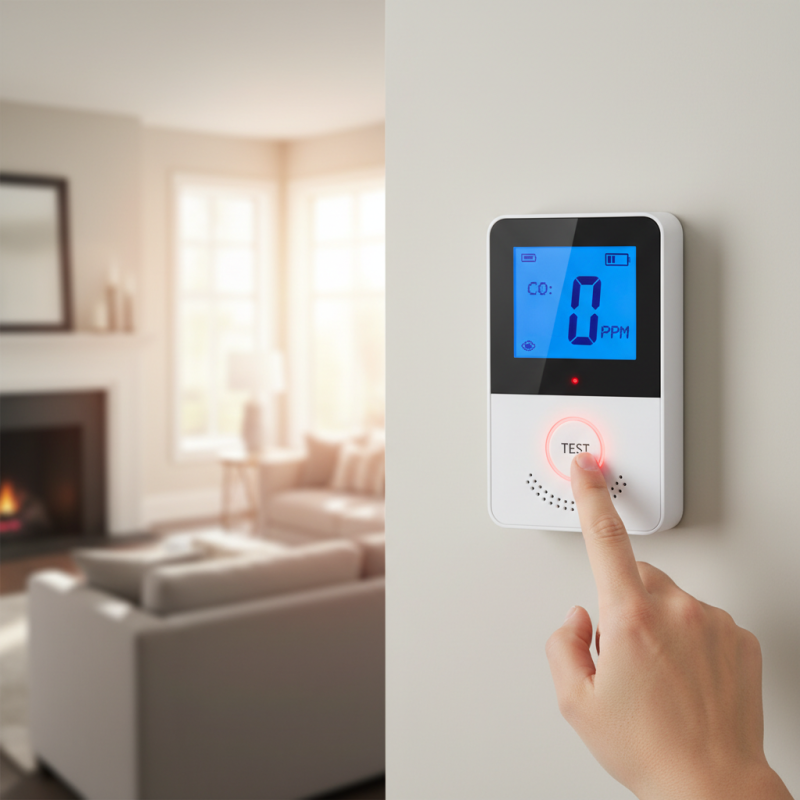
Top Tips for Choosing the Best Carbon Monoxide Monitor?
Choosing the right Carbon Monoxide Monitor can be a crucial decision for your safety. Carbon monoxide (CO) is an invisible threat, and a reliable monitor is essential for protecting your home. Many people underestimate this gas, yet it can be deadly.
A good monitor should have essential features like a digital display and clear alerts. Look for models that have passed rigorous safety tests. Reviews from experts can guide you toward a trusted choice. However, with many options on the market, selecting one can be challenging.
It's also important to consider placement. A monitor placed in the wrong location might not function effectively. Regular testing of the monitor is necessary but often overlooked. This may seem tedious, but it is vital for ensuring it works consistently. When safety is at stake, no detail should be ignored.
Understanding Carbon Monoxide and Its Dangers
Carbon monoxide (CO) is a colorless, odorless gas. It is produced by burning fuel in vehicles, stoves, and heaters. The danger lies in its ability to go undetected while it accumulates in enclosed spaces. Exposure can lead to serious health issues or even death. Many people believe they are safe at home, but CO can seep in undetected, especially during the winter months when heating systems are used more frequently.
Symptoms of CO poisoning often mimic those of the flu. Headaches, dizziness, and fatigue can easily be brushed aside. This makes it crucial to recognize the risks. Families should be aware that low levels of CO can cause long-term health complications. Even if everything seems fine, a malfunctioning appliance or blocked chimney can create fatal conditions. Awareness and preparation are essential, yet many overlook the importance of a carbon monoxide monitor until it’s too late.
Installing a CO monitor is a simple but vital step in safeguarding your home. However, choosing the right one can be challenging. Look for monitors that have a digital display, battery back-up, and an audible alarm. Regular maintenance is also key. Test your monitor monthly to ensure it is functioning correctly. It’s essential to be proactive, not reactive, regarding your family’s safety.
Key Features to Look for in Carbon Monoxide Monitors
When choosing the best carbon monoxide monitor, it’s essential to focus on key features that enhance safety and reliability. Look for a monitor that has a loud alarm. A loud and clear warning can save lives during an emergency. Some alarms can reach over 85 decibels, which is hard to miss.
Consider a display that shows real-time CO levels. This feature provides immediate feedback on air quality. It helps in understanding the environment you’re in. Some devices also offer peak level memory, logging the highest CO levels detected. This aspect can help analyze potential problems in your home.
Battery life is also crucial. A good monitor should last several years on a single set of batteries. Some units even have a backup battery option. Regular maintenance is vital. Check the expiration date and perform regular tests. A malfunctioning device offers a false sense of security. Always keep an eye on how your monitor performs over time. Remember, having a carbon monoxide monitor is not enough; ensuring it functions correctly is equally important.
Top Tips for Choosing the Best Carbon Monoxide Monitor
| Feature | Description | Importance |
| Sensitivity | Ability to detect low levels of carbon monoxide. | High |
| Display | A digital readout for easy monitoring of CO levels. | Medium |
| Battery Backup | Continues operation during power outages. | High |
| Audible Alarm | Loud alert when CO levels are dangerous. | High |
| Test/Hush Button | Tests the functionality of the monitor or silences alarm. | Medium |
| Age Indicator | Shows when the unit should be replaced. | Medium |
| Certification | Meets safety standards (e.g., UL, CSA). | High |
Types of Carbon Monoxide Monitors Available on the Market
When selecting a carbon monoxide monitor, it's essential to understand the various types available. There are plug-in models, battery-operated ones, and hardwired systems. Each type offers unique features and functionalities. For instance, plug-in monitors are easy to install and can be quickly moved. Battery-operated units are portable but require regular battery checks. Hardwired systems offer a continuous power source but need professional installation.
Additionally, some monitors come with digital displays, providing real-time readings. Others may feature alarms that signal when CO levels rise above safe thresholds. It's worth considering monitors that include multiple safety features, like battery backup and voice alerts. However, remember that over-reliance on technology can lead to complacency. Regular maintenance and testing of these devices are crucial. Even the best monitors can fail if not cared for properly. Reflect on how often you check your devices. Ignoring this step can be risky.
Furthermore, the placement of a carbon monoxide monitor should not be overlooked. They should be installed near sleeping areas for maximum safety. While many users believe placing them in kitchens is ideal, this can lead to false alarms due to cooking fumes. Take time to research and choose a location wisely. Even a small oversight can compromise the effectiveness of your safety equipment.
Top Tips for Choosing the Best Carbon Monoxide Monitor
This chart displays the different types of carbon monoxide monitors available in the market based on their popularity and features. The data shows the percentage of users who prefer each type of monitor.
How to Properly Install and Use a Carbon Monoxide Monitor
Proper installation of a carbon monoxide (CO) monitor is crucial. Place the device near sleeping areas. This ensures alerts when you are most vulnerable. The Centers for Disease Control and Prevention (CDC) reports that CO poisoning is a leading cause of accidental death. Proper positioning can significantly reduce risks.
Ensure the monitor is at least five feet above the ground. CO is slightly lighter than air, but its buildup occurs near the floor in poorly ventilated spaces. Regular maintenance is essential. Test your monitor monthly to ensure functionality. A report from the National Fire Protection Association (NFPA) emphasizes that many CO detectors fail due to lack of testing.
Also, avoid placing monitors near windows or vents. These locations may dilute CO measurements, leading to false safety. Ensure batteries are replaced annually, especially in older models. Inadequate awareness of CO levels can lead to tragic outcomes. Reflecting on your installation choices can improve safety and awareness significantly.
Maintaining and Testing Your Carbon Monoxide Monitor for Effectiveness
Maintaining and testing your carbon monoxide (CO) monitor is crucial for ensuring its effectiveness. Check the batteries regularly. Dead batteries are a common issue people overlook. Schedule a monthly test using the test button on your monitor. This simple action helps you confirm that the device is functioning.
Placement matters significantly. Install your monitor near sleeping areas and common spaces. Not all homes are the same, so consider potential CO sources. Check for natural gas appliances or attached garages that may release dangerous fumes. Regular cleaning is also important. Dust and debris can impact its sensitivity.
Don't forget to replace your monitor as necessary. Many devices have a lifespan of five to seven years. Replace it before it becomes ineffective. Keep a record of maintenance activities. This habit ensures that no crucial steps are missed over time. Reflect on past experiences; many people discovered their devices were faulty only after it was too late. Staying proactive about maintenance is essential.