

Choosing a Sleeping Bag Blanket is not simply a matter of picking the thickest option. Warmth, weight, fit, moisture control, and packability must work together. A blanket that feels luxurious at home may become bulky beside a cold campsite. Small details matter, especially when temperatures fall after midnight.
The Outdoor Foundation’s 2024 Outdoor Participation Trends Report recorded 57.8 million American camping participants in 2023. That figure reflects continued interest in outdoor overnight travel and more demanding gear choices. Grand View Research also reported steady growth in the global camping equipment market, driven partly by backpacking and recreational camping. These trends suggest a crowded market, but popularity does not guarantee quality. No rating is perfect.
Professional backpacker and gear educator Andrew Skurka offers a useful principle: “The best gear is the gear that best matches the trip.” His point applies directly to every Sleeping Bag Blanket decision. A lightweight summer blanket cannot replace a properly insulated winter system. Conversely, excessive insulation can waste space and increase carrying fatigue. The following ten tips examine temperature ratings, insulation types, shell fabrics, dimensions, closures, durability, cleaning, and safety. They also consider real campsite details, such as damp grass, narrow sleeping pads, and limited storage. Some recommendations may feel obvious. They are still easy to overlook. The honest test is simple: will the blanket keep you warm, dry, and comfortable when conditions become inconvenient?
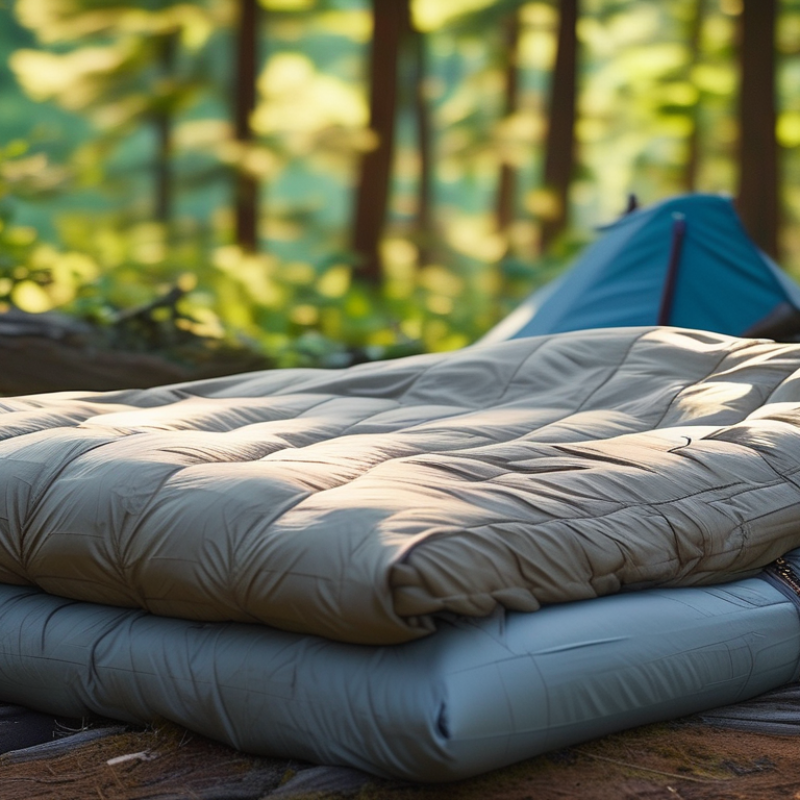
Define your sleeping bag blanket by use before judging its warmth. A rectangular blanket suits car camping, indoor backup, and mild summer nights. A tapered bag saves space and limits drafts during backpacking. For children or restless sleepers, width may matter more than a few grams. I once chose a compact model for convenience and regretted it at 3 a.m.
Weather changes the decision. Check the forecast’s overnight low, wind, humidity, and ground conditions. The National Weather Service Wind Chill Temperature Index shows how moving air lowers perceived warmth. At 32°F with a 15-mph wind, exposed skin can feel near 19°F. Your blanket needs more than the air-temperature number. A ground pad also matters because cold soil pulls heat quickly.
Read temperature ratings carefully. ISO 23537-1 uses a heated manikin and controlled laboratory testing for sleeping-bag thermal performance. These results improve comparison, but they are not personal guarantees. Women, older adults, tired hikers, and cold sleepers may need extra insulation.
Choose a comfort rating below the expected low, not merely the advertised lower limit. Moisture can flatten down insulation, while synthetic fill usually tolerates damp conditions better. Still, synthetic blankets can feel bulky and less breathable. That trade-off is real.
Test the blanket at home. Wear the layers planned for the trip. Check zipper access, foot space, and draft gaps. Weather forecasts can fail. Your own sleep history is useful data.
Insulation controls warmth, weight, and comfort inside a sleeping bag blanket. Down insulation is light, compressible, and efficient in dry conditions. It can lose loft when damp, though. Synthetic insulation usually performs better around moisture and dries faster. It often costs less, but feels bulkier in a backpack. Consider your camping climate, storage space, and tolerance for extra weight. A damp lakeside morning can expose weak insulation quickly.
Temperature ratings need careful reading. Choose a bag with a comfort rating below the coldest temperature you expect. The lower limit is not a comfort promise. It describes survival conditions for a standard sleeper. Check whether the rating follows ISO 23537 testing. Blankets may fit loosely, so drafts can reduce warmth. A hood, draft collar, and secure foot area matter more than many buyers expect. Small gaps matter.
I once trusted a rating that seemed generous and woke up cold near dawn. My sleeping pad was too thin, which made the mistake worse. Insulation beneath your body compresses and loses much of its warmth. Match the bag with an insulated sleeping pad and suitable sleep clothing. Avoid cotton in cold, damp weather. I still prefer a slightly warmer rating, even when it adds weight. Forecasts change, and personal comfort is not perfectly predictable. Test the setup close to home before relying on it in remote conditions.
Compare weight before anything else. A lighter blanket reduces fatigue on long hikes. Still, extremely light materials may feel fragile. Check the fabric, stitching, and insulation quality by hand. Next, measure packed size, not only the listed weight. A narrow compression sack can save valuable space in a small backpack. However, over-compressing insulation may reduce its loft over time.
Choose a length that covers your shoulders and feet without leaving large gaps. Extra width feels comfortable, but it can also create cold air pockets. Consider your sleeping position carefully. Side sleepers often need more room around the knees. Look at the temperature rating, but treat it as guidance, not a promise. Personal metabolism, clothing, humidity, and ground insulation change real comfort. A warm hat and dry base layer can matter more than expected.
Test the blanket indoors before taking it outside. Notice whether the zipper catches, the foot area stays secure, and the lining feels smooth. A draft collar can prevent heat loss near your neck. Water-resistant fabric helps during damp mornings, but it will not replace a shelter. Select a design that packs easily after use, even when your hands are cold. I once chose the smallest packed option and regretted the tight fit. Comfort deserves a little extra space.
Material affects warmth, weight, moisture control, and lifespan. Textile Exchange’s Materials Market Report 2024 recorded 124 million tonnes of global fiber production in 2023. That scale makes fiber selection worth careful attention. Down offers excellent warmth for its weight, but loses insulation when wet. Synthetic fill dries faster and usually costs less. Check the shell fabric, too. A tightly woven nylon or polyester shell can resist abrasion from rough ground and sharp branches. Feel the fabric. Thin does not always mean fragile, but it deserves closer inspection.
Construction often decides comfort during real use. Inspect the stitching around the hood, zipper, seams, and baffles. Evenly distributed fill prevents cold spots. A covered zipper reduces heat loss and protects skin from snagging. Look for thermal ratings tested under recognized methods, such as ISO 23537 or ASTM F1720. The Outdoor Industry Association’s 2024 report counted 175.8 million U.S. outdoor participants in 2023. More users mean more varied conditions, not one perfect design. Ratings still depend on clothing, wind, humidity, and personal metabolism.
Durability includes the care routine. Follow the washing temperature and drying instructions exactly. Store the blanket loose, not compressed inside its stuff sack. Air it fully after damp trips. I once trusted a high warmth rating and ignored moisture management. That was a mistake. Check the zipper after every trip, and repair small tears early. Some advice sounds obvious. It is still easy to neglect. A durable blanket should survive repeated packing, but careless washing can shorten its useful life.
Match the blanket to your sleeping conditions, not just the advertised temperature. A chilly campsite feels different beside a river, under wind, or inside a tent. Check the comfort rating and lower limit carefully. If you sleep cold, choose extra insulation. I have learned that optimistic ratings can make an uncomfortable night feel much longer.
Examine the filling, shell, and stitching. Synthetic insulation usually handles damp weather better, while down can offer excellent warmth with less weight when kept dry. Feel the fabric for weak seams, scratchy surfaces, or noisy movement.
Check the size and shape. Your shoulders, feet, and knees need room without leaving large gaps that waste body heat.
Treat safety as a buying requirement. Look for secure zippers, snag-resistant construction, and clear care instructions. Avoid loose cords near your face, especially when children may use the blanket.
Consider moisture control, washing, and drying time. A blanket that cannot dry properly may develop odors and lose performance.
Compare packed size, weight, durability, and repair options with the purchase price. The cheapest choice may require replacement sooner. I sometimes overvalue low weight; in real weather, dependable warmth matters more. Read independent test details, inspect return terms, and question vague claims about waterproofing or extreme temperatures.
| Cookie | Duration | Description |
|---|---|---|
| cookielawinfo-checkbox-analytics | 11 months | This cookie is set by GDPR Cookie Consent plugin. The cookie is used to store the user consent for the cookies in the category "Analytics". |
| cookielawinfo-checkbox-functional | 11 months | The cookie is set by GDPR cookie consent to record the user consent for the cookies in the category "Functional". |
| cookielawinfo-checkbox-necessary | 11 months | This cookie is set by GDPR Cookie Consent plugin. The cookies is used to store the user consent for the cookies in the category "Necessary". |
| cookielawinfo-checkbox-others | 11 months | This cookie is set by GDPR Cookie Consent plugin. The cookie is used to store the user consent for the cookies in the category "Other. |
| cookielawinfo-checkbox-performance | 11 months | This cookie is set by GDPR Cookie Consent plugin. The cookie is used to store the user consent for the cookies in the category "Performance". |
| viewed_cookie_policy | 11 months | The cookie is set by the GDPR Cookie Consent plugin and is used to store whether or not user has consented to the use of cookies. It does not store any personal data. |