


Wood Veneer Sheets are becoming increasingly popular in the design and construction industry. According to a report by Freedonia Group, the demand for wood-based products is projected to grow significantly, reaching nearly $30 billion by 2026. This trend underscores the value of using wood veneers, which offer both aesthetic appeal and sustainability.
These sheets provide a cost-effective solution for achieving high-end finishes. They allow designers to utilize exotic wood species without the associated costs. The versatility of wood veneer sheets makes them suitable for various applications, from cabinetry to wall paneling. However, some may overlook the importance of proper installation and care, which can impact the longevity of the project.
The environmental benefits are noteworthy as well. According to the U.S. Forest Service, wood veneers utilize much less wood than solid lumber, promoting sustainable practices. Yet, it's essential to choose high-quality materials to avoid potential issues such as warping or delamination. Thus, understanding both the advantages and challenges of wood veneer sheets is crucial for any successful project.
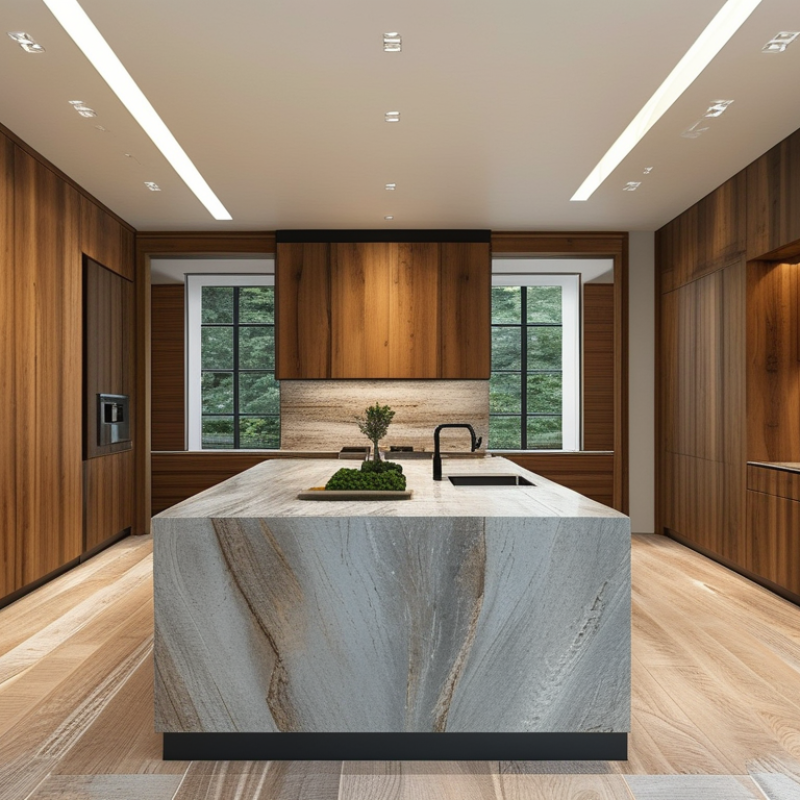
Wood veneer sheets offer unique advantages in interior design applications. These thin slices of natural wood provide a stylish and sophisticated finish to various surfaces. Their versatility allows for creative use in furniture, cabinetry, and wall treatments. Designers appreciate the ability to achieve a premium look without using solid wood's cost and weight.
Using wood veneer can enhance a space with warm, organic textures. The variety of wood species allows for customization to match different design themes. However, achieving a seamless look requires careful application and finishing. An imperfect veneer might develop bubbles or cracks if not applied correctly. Attention to detail is crucial in preventing such issues.
Moreover, wood veneer is eco-friendly. It uses less raw material than solid wood. This sustainable approach benefits the environment while providing aesthetic appeal. Despite its advantages, some find it less durable. Proper care is essential to maintain its beauty over time. Reflecting on these aspects helps designers make informed choices for their projects.
Wood veneer sheets present a compelling option for sustainability in various projects. Made from thin slices of high-quality wood, they provide the beauty of solid wood without the environmental drawbacks. According to a 2022 report by the Forest Stewardship Council, using wood veneer can reduce the demand for solid lumber by up to 90%. This is critical in combatting deforestation and preserving biodiversity.
Sourcing wood veneer sustainably is vital for eco-friendliness. Many manufacturers obtain their wood from responsibly managed forests. This ensures that the ecological impact is minimized. Data from the Sustainable Forestry Initiative indicates that sustainable wood products can contribute to reducing carbon emissions by approximately 50% compared to conventional materials. However, less transparency in sourcing practices exists in the industry. This is an area where improvement and awareness are needed.
The lightweight nature of veneer also encourages energy efficiency in transportation. Lighter loads require less fuel and reduce carbon footprints. However, consumers must remain vigilant. Not every product on the market meets sustainable standards. Researching certifications and sourcing practices will help ensure that the veneer used supports eco-friendly initiatives. Engaging with reliable suppliers remains essential for ethical choices.
| Benefit | Description | Sustainability Impact |
|---|---|---|
| Eco-Friendliness | Wood veneer sheets are made from thin slices of wood, reducing the amount of lumber needed per unit. | Promotes responsible usage of natural resources. |
| Lightweight | Wood veneer is lighter than solid wood, making it easier to handle and transport. | Reduces energy consumption in shipping and handling. |
| Versatility | Can be used in various projects, including furniture, cabinetry, and wall coverings. | Encourages diverse applications, minimizing waste. |
| Aesthetic Appeal | Provides a natural wood grain appearance that enhances beauty. | Supports the use of sustainable timber resources. |
| Cost-Effective | Generally more affordable than solid wood, making it accessible for more projects. | Encourages economical use of wood resources. |
| Stability | Less prone to warping and splitting compared to solid wood. | Reduces the need for replacements, conserving resources. |
| Finishing Options | Easily takes finishes, stains, and sealants for various looks. | Minimizes the use of chemicals by allowing natural finishes. |
| Sound Insulation | Offers some degree of sound insulation for better acoustics. | Supports building sustainable environments through better sound management. |
| Easy Application | Can be applied to a variety of substrates easily. | Facilitates the reuse of materials in projects, promoting sustainability. |
Wood veneer sheets are a game changer for crafting projects. Their versatility allows for a wide range of applications. Whether you’re creating furniture, art, or home decor, these thin slices of wood can transform your ideas into reality. From intricate designs to simple finishes, the options are limitless.
Crafting with wood veneer brings a unique aesthetic. You can achieve the look of solid wood without the heavy weight or high cost. These sheets are easy to manipulate, making them perfect for both beginners and experienced artisans. They can be cut, shaped, or layered to suit your project needs.
While wood veneer sheets offer many benefits, mastery takes practice. The application process can be tricky at times. Mistakes do happen; learning from them is part of the journey. Overall, the ease and beauty of wood veneer sheets make them an ideal choice for diverse crafting projects.
Using wood veneer sheets offers significant cost efficiency compared to solid wood. Solid wood can be quite expensive due to sourcing and processing. Veneer sheets, however, utilize thin slices of wood, allowing access to premium designs without the high price tag. This means projects can look luxurious while staying within budget.
Working with veneer also reduces waste. Solid wood pieces may include defects that lead to loss of material. Veneer limits this issue, allowing you to create more from less. While some may have concerns about durability, quality veneers can withstand wear when properly cared for. They provide an excellent balance between aesthetics and practicality.
However, there's an art to using veneer effectively. It requires skill to apply and finish, as seams can be visible if not done correctly. Experienced craftsmen can overcome these challenges and enhance the final product's appeal. For DIY enthusiasts, experimenting with veneer can bring learning experiences. Embracing these imperfections can lead to unique creations, as each project is distinct.
Wood veneer sheets offer unique aesthetic appeal that enhances projects significantly. Their natural patterns and textures create a warm, inviting atmosphere in any space. A report by the Wood Products Council highlights that using wood veneer can increase the perceived value of furniture by up to 30%. This makes them an excellent choice for both residential and commercial applications.
When selecting wood veneer, consider the grain patterns and colors that best suit your design vision. Different species can evoke diverse feelings; for instance, oak gives a rustic charm, while walnut exudes sophistication. A practical tip is to test samples in your intended environment to see how lighting affects color and grain.
Sustainability is also a vital concern. According to the Forest Stewardship Council, responsibly sourced wood veneers come from managed forests, making them environmentally friendly. However, not all veneers are created equal. Understanding the origin and processing of the veneer can help ensure your choice aligns with sustainable practices. Always verify certifications before purchasing.
| Cookie | Duration | Description |
|---|---|---|
| cookielawinfo-checkbox-analytics | 11 months | This cookie is set by GDPR Cookie Consent plugin. The cookie is used to store the user consent for the cookies in the category "Analytics". |
| cookielawinfo-checkbox-functional | 11 months | The cookie is set by GDPR cookie consent to record the user consent for the cookies in the category "Functional". |
| cookielawinfo-checkbox-necessary | 11 months | This cookie is set by GDPR Cookie Consent plugin. The cookies is used to store the user consent for the cookies in the category "Necessary". |
| cookielawinfo-checkbox-others | 11 months | This cookie is set by GDPR Cookie Consent plugin. The cookie is used to store the user consent for the cookies in the category "Other. |
| cookielawinfo-checkbox-performance | 11 months | This cookie is set by GDPR Cookie Consent plugin. The cookie is used to store the user consent for the cookies in the category "Performance". |
| viewed_cookie_policy | 11 months | The cookie is set by the GDPR Cookie Consent plugin and is used to store whether or not user has consented to the use of cookies. It does not store any personal data. |