Top 10 Container Homes Ideas for Affordable and Sustainable Living
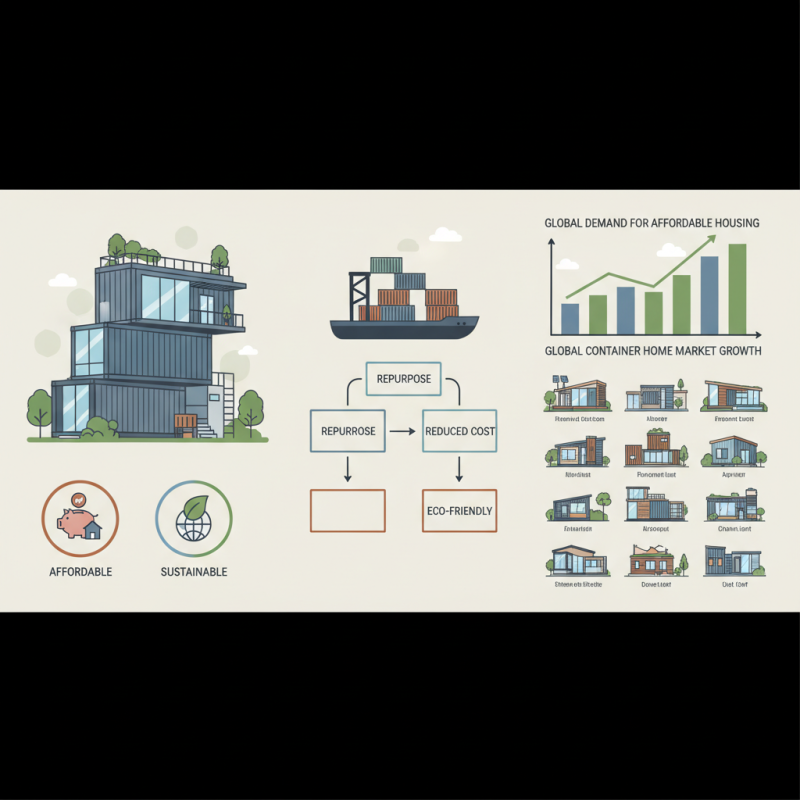
In recent years, the concept of container homes has gained significant traction as an innovative solution to address the challenges of affordable and sustainable living. According to a report by the International Organization for Migration, the global demand for affordable housing is projected to rise dramatically, with an estimated 1.6 billion people expected to lack adequate housing by 2025. This urgent need has propelled container homes into the spotlight as a viable alternative, combining affordability, sustainability, and design flexibility.
Container homes utilize repurposed shipping containers, which significantly reduces construction costs and minimizes environmental impact. The Global Container Home Market Report indicates a growing interest in this trend, forecasting a compound annual growth rate (CAGR) of over 5% during the next several years. By transforming these containers into living spaces, homeowners can not only reduce material waste but also lower their carbon footprint, embracing a lifestyle that aligns with sustainable practices. As we explore the top 10 container home ideas, it becomes evident that these structures are redefining living spaces and offering creative solutions to the pressing issues of housing affordability and environmental sustainability.
Innovative Design Concepts for Container Homes
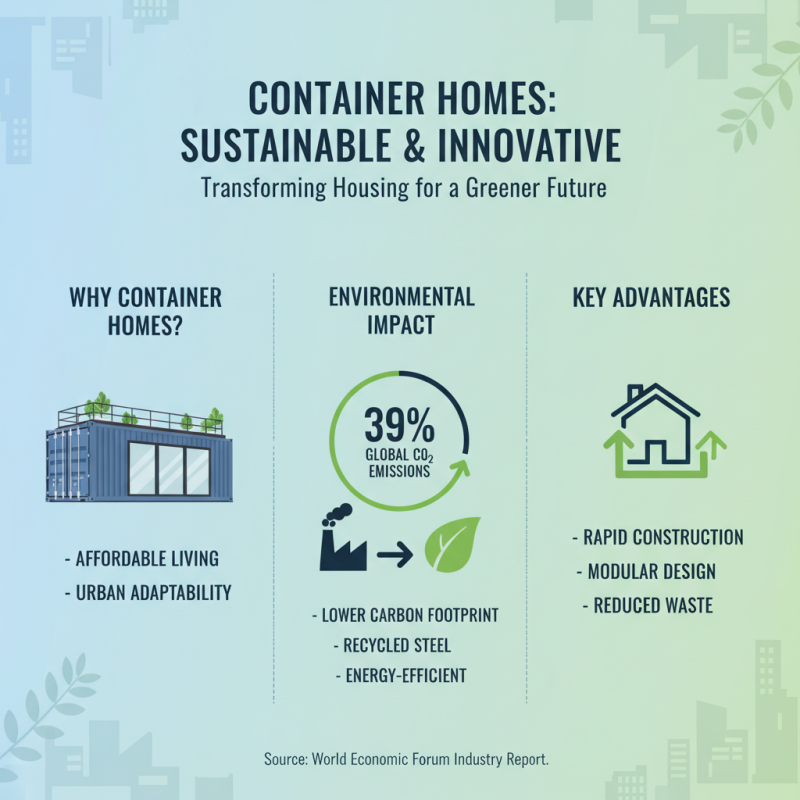
Container homes are quickly gaining traction as a transformative and sustainable alternative to traditional housing. With the increasing demand for affordable living options, especially in urban areas, container homes present innovative design concepts that maximize utility while minimizing environmental impact. According to a recent industry report by the World Economic Forum, the construction industry contributes approximately 39% of global carbon emissions, prompting a shift towards greener building practices. Container homes, often made from recycled steel, offer a lower carbon footprint compared to conventional houses and are designed to be energy-efficient.
The versatility of shipping containers allows designers to create unique living spaces tailored to various needs. From minimalist studios to multi-container family homes, the possibilities are endless. One significant advantage highlighted in the American Institute of Architects report is that container homes can be constructed in just a fraction of the time it takes to build a traditional home—often within a few months—due to their prefabricated nature. Additionally, by incorporating sustainable materials and technologies such as solar panels and rainwater harvesting systems, container homes can significantly reduce utility costs while promoting a self-sustaining lifestyle. This innovative approach not only meets the demand for affordable housing but also aligns with global sustainability goals by fostering a more eco-friendly way of living.
Benefits of Living in a Container Home
Living in a container home offers numerous benefits that align with the principles of affordability and sustainability. One of the primary advantages is cost-effectiveness; container homes are significantly cheaper to construct compared to traditional houses. Utilizing used shipping containers reduces material costs and allows homeowners to embrace a minimalist lifestyle without sacrificing comfort. This aspect makes container living an attractive option for those looking to enter the housing market without incurring massive debts.
Moreover, container homes are inherently sustainable. They promote the reuse of existing materials, which helps minimize waste in landfills and curtails the demand for new building materials. The modular design of container homes also allows for flexibility in layout and size, enabling residents to adapt their living space to their personal needs while maintaining a low environmental footprint.
Additionally, with the integration of energy-efficient systems, such as solar panels and rainwater harvesting systems, container homes can further reduce their impact on the planet and lower utility costs. This combination of affordability and sustainability not only appeals to eco-conscious individuals but also aligns with a growing trend towards more responsible living practices.
Cost-Effective Solutions for Building Container Houses
Container homes have emerged as a viable solution for affordable and sustainable living, combining innovation with practicality. These homes are constructed from repurposed shipping containers, which not only reduces waste but also presents a cost-effective alternative to traditional housing. The average price of a container home can be significantly lower than that of conventional homes, making it an attractive option for those looking to minimize expenses while maximizing style and function.
One of the key benefits of using shipping containers is their modular nature, allowing for scalable living solutions tailored to individual needs. Homeowners can stack or arrange containers in various configurations to create unique designs depending on space constraints or personal preferences. Additionally, with proper insulation and energy-efficient systems, container homes can be well-suited for environmentally conscious living. This method of construction not only focuses on affordability but also emphasizes sustainability, ensuring that modern living can coexist harmoniously with the environment.
Top 10 Container Homes Ideas for Affordable and Sustainable Living
| Container Home Idea |
Size (sq ft) |
Estimated Cost ($) |
Eco-Friendly Features |
Location Suitability |
| Single-Container Studio |
160 |
20,000 |
Solar panels, rainwater harvesting |
Urban |
| Two-Container Home |
320 |
30,000 |
Energy-efficient appliances |
Suburban |
| Container Cabin |
400 |
50,000 |
Sustainable materials, composting toilets |
Rural |
| Family Container Home |
640 |
75,000 |
Green roofs, energy-efficient windows |
Suburban |
| Container Office Space |
200 |
25,000 |
Natural light maximization, heating/cooling efficiencies |
Urban |
| Luxury Container Home |
1200 |
150,000 |
Smart home technology, eco-friendly materials |
Coastal |
| Modular Container Home |
800 |
100,000 |
Recycled materials, passive design |
Urban/Suburban |
| Container Duplex |
960 |
120,000 |
Solar heating, low-VOC paints |
Suburban |
| Tiny Container Home |
120 |
15,000 |
Minimalist design, smart space-saving |
Urban |
| Container Retreat |
500 |
60,000 |
Natural climate control, sustainable landscaping |
Rural |
Eco-Friendly Features of Container Home Living
Container homes have emerged as an increasingly popular choice for those seeking
affordable and sustainable living solutions.
One of the key aspects of eco-friendly container home living is their efficient use of materials.
According to a report by the U.S. Green Building Council, constructing homes from repurposed shipping containers can significantly reduce waste,
as these containers are often discarded after their initial use. By converting them into homes, we not only give new life to these structures but also minimize
the environmental impact associated with traditional building materials.
Moreover, container homes can be designed to incorporate innovative sustainable features.
Many builders opt for solar panels to harness renewable energy, drastically reducing electricity costs
and reliance on fossil fuels. Furthermore, the compact nature of container living encourages minimalism, which can lower energy consumption overall.
Data from the National Association of Home Builders shows that small homes are more energy-efficient, as they require less energy for heating and cooling.
Additionally, features like rainwater harvesting systems and
green roofs can be integrated into container home designs, further enhancing their sustainability and promoting a lifestyle that
harmonizes with the environment.
Customization Options for Personalizing Your Container Home
When it comes to designing a container home, personalization is key to transforming a simple metal box into a cozy and inviting space. One of the most popular customization options is the choice of layout. Homeowners can create open-concept spaces or opt for segmented rooms depending on their lifestyle needs. Additionally, modifying the container's exterior can add visual appeal. Painting the container in vibrant colors or incorporating eco-friendly materials into the façade can enhance aesthetic charm while reflecting the owner's personality.
Interior customization plays a crucial role in making a container home truly unique. From choosing sustainable flooring to selecting energy-efficient appliances, homeowners have the flexibility to create an environment that aligns with their values. Incorporating built-in furniture or multi-functional pieces not only maximizes space but also allows for creative solutions that can cater to various activities. Furthermore, features such as large windows or skylights can be integrated to bring in natural light, making the space feel more open and connected to nature. These options make each container home a distinctive reflection of the owner’s style and preferences while maintaining an eco-conscious lifestyle.