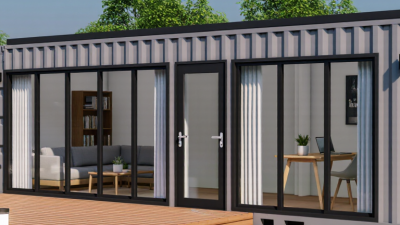


A shipping container house can look simple in a photograph: a clean steel exterior, wide windows, and a warm timber interior. Building one well is less simple. Buyers must compare design capability, insulation, structural modifications, factory quality, delivery options, and after-sales support. These details often matter more than polished renderings.
This guide explores leading shipping container house manufacturers worldwide and the differences in their approaches. Some focus on compact, ready-made homes; others offer custom layouts, larger residential projects, or modular systems. A manufacturer’s location can affect shipping costs and lead times, while local climate shapes practical choices such as insulation, ventilation, and window placement. Ask for material specifications, project references, and a clear breakdown of what the quoted price includes. Photos help. They do not prove everything.
No single company is right for every buyer. Product ranges, availability, and service areas can change, and published claims deserve careful checking. Even a reputable manufacturer may not suit a difficult site or a tight budget. That part is easy to overlook. The comparison ahead is intended as a starting point, not a substitute for independent research. Review the details, ask direct questions, and consider whether a container-based design genuinely fits your needs before choosing a supplier.

A shipping container house manufacturer is a company that converts retired steel containers into habitable buildings. It is more than a metal-box supplier. The manufacturer usually handles design, structural modification, insulation, plumbing, electrical systems, and interior finishing. Experienced teams inspect each container for corrosion, deformation, and previous cargo use before construction begins. That step matters. A container may look sound outside while hidden rust weakens its frame.
Reliable manufacturers work with architects, engineers, welders, and building inspectors. They calculate wind loads, snow loads, foundation requirements, and transportation limits for each project. Cutting openings for windows or doors can reduce structural strength, so reinforcements must be welded correctly. Good factories also install vapor barriers, fire-resistant materials, and efficient insulation suited to the local climate. In a cold region, thin interior lining is not enough. Moisture can collect behind walls and create expensive damage.
Manufacturing quality is visible in small details: square door frames, sealed roof joints, clean electrical conduits, and evenly finished floors. Buyers should request drawings, material specifications, inspection records, and a clear delivery schedule. Factory experience helps, but it does not replace independent checks. Mistakes happen. I have seen projects underestimate crane access, utility connections, and foundation preparation. A practical manufacturer discusses these risks early instead of promising an effortless installation. Regional building codes, permits, transport rules, and safe occupancy standards must guide every decision.
Evaluating container house manufacturers requires more than comparing catalog photos. Start with engineering evidence. ISO 668 defines standard container dimensions, while CSC safety requirements support structural reliability during transport. Ask for load calculations, welding procedures, corrosion protection, insulation values, and independent test records. A credible manufacturer should explain roof loads, wind resistance, fire performance, and connection details in plain language. Vague answers are warning signs.
Logistics also matter. UNCTAD’s Review of Maritime Transport reports that shipping carries over 80% of global merchandise trade by volume. Therefore, manufacturers should show practical experience with lifting points, port handling, inland delivery, and installation tolerances. Request dated project references, factory quality records, and photographs showing concealed work before closure. Inspectors should check floor moisture, thermal bridges, door alignment, and drainage on site. Small defects become expensive quickly.
Energy performance deserves equal attention. The International Energy Agency reports that buildings consume about 30% of global final energy and produce roughly 26% of energy-related emissions. Compare tested U-values, airtightness results, ventilation design, and heating demand, not marketing claims. Reused steel sounds sustainable, but refurbishment, transport, coatings, and replacement cycles can change the result. This is where many evaluations remain incomplete. A low purchase price may hide higher maintenance, energy, or adaptation costs. Manufacturers should provide transparent assumptions, regional compliance documents, and realistic delivery schedules. Promises need evidence.
Worldwide shipping container house manufacturers usually operate through regional factories, certified suppliers, and local installation partners. Their reach is not defined by shipping alone. A reliable manufacturer should understand local building codes, climate risks, and utility requirements before production begins. A design suitable for a mild coastal area may fail in a snowy mountain region.
Experienced manufacturers typically offer standardized steel modules with adaptable interiors. They may provide insulation upgrades, reinforced roofing, moisture barriers, electrical systems, and plumbing layouts. These details matter during installation. A container house can look simple, yet condensation, thermal bridging, and corrosion create expensive problems later. Site surveys and accurate foundation drawings reduce these risks.
Manufacturers serving several continents often maintain technical teams in multiple time zones. They coordinate factory inspections, export documents, transport schedules, and local assembly. Buyers should request structural calculations, material specifications, warranty terms, and evidence of completed projects. Photos alone are not enough. Ask for references.
Some companies claim global coverage but rely entirely on third-party contractors. That arrangement can work, although accountability becomes less clear when something fails. I have found that transparent communication is often more valuable than a polished catalog. Delivery delays, customs changes, and local permit revisions are realistic concerns. Even a well-designed unit may need modifications after a regional engineer reviews it.
Shipping container house manufacturers often provide more than a finished structure. Services may include design consultations, site measurements, engineering drawings, fabrication, delivery, and installation. Ask which steps are handled in-house and which rely on outside contractors. Clear answers make scheduling and responsibility easier to track.
Customization can cover layout, insulation, windows, doors, plumbing, electrical systems, and interior finishes. A small home might need a compact kitchen, a bathroom with moisture-resistant surfaces, and carefully placed windows for daylight. Manufacturers may also offer different container sizes, roof designs, and exterior cladding. Get specifications in writing, including insulation ratings and the limits of structural changes. A wide opening can affect the container’s strength.
The details matter. Request drawings, material schedules, and a realistic delivery timeline before approving production. Confirm how the unit will be lifted and connected to prepared foundations. Some providers offer after-sales support or warranties, but coverage varies; read the exclusions closely. Photos help, but they cannot prove workmanship. If possible, inspect a completed unit or ask for references. I would not assume every advertised option suits every climate. Even a polished brochure can leave practical questions unanswered.
Choosing a shipping container house manufacturer requires more than comparing prices and attractive renderings. Ask how the company handles insulation, ventilation, structural reinforcement, and condensation control. These details affect comfort long after delivery. Request drawings that show wall layers, window placement, and utility routes, rather than relying on broad promises. Ask what materials are included and what arrives unfinished.
Experience matters, but verify it with completed projects similar to yours. Ask for dated photographs, project dimensions, and references you can contact. If possible, inspect a finished unit or speak with its owner. Small details tell a lot. Look closely at door seals, welds, floor transitions, and how rainwater drains from the roof. A polished exterior can hide practical weaknesses.
Clarify transport, site preparation, installation, and warranty responsibilities in writing. A low quote may exclude foundations, crane access, or local utility connections. Compare the full scope, not just the container price. Ask how design changes affect cost and delivery dates, and who handles problems after installation. One uncomfortable question is worth asking: what is not included? No manufacturer can remove every project risk, and I would not expect perfect certainty. Still, specific answers and clear documents make it easier to judge whether the proposal fits your site, climate, and budget.
| Cookie | Duration | Description |
|---|---|---|
| cookielawinfo-checkbox-analytics | 11 months | This cookie is set by GDPR Cookie Consent plugin. The cookie is used to store the user consent for the cookies in the category "Analytics". |
| cookielawinfo-checkbox-functional | 11 months | The cookie is set by GDPR cookie consent to record the user consent for the cookies in the category "Functional". |
| cookielawinfo-checkbox-necessary | 11 months | This cookie is set by GDPR Cookie Consent plugin. The cookies is used to store the user consent for the cookies in the category "Necessary". |
| cookielawinfo-checkbox-others | 11 months | This cookie is set by GDPR Cookie Consent plugin. The cookie is used to store the user consent for the cookies in the category "Other. |
| cookielawinfo-checkbox-performance | 11 months | This cookie is set by GDPR Cookie Consent plugin. The cookie is used to store the user consent for the cookies in the category "Performance". |
| viewed_cookie_policy | 11 months | The cookie is set by the GDPR Cookie Consent plugin and is used to store whether or not user has consented to the use of cookies. It does not store any personal data. |