

Top

Top Storage Container Buildings for Sale Worldwide?

Storage Container Buildings for Sale Worldwide: What Buyers Should Know

Storage container buildings are attracting buyers who need secure, adaptable space for equipment, inventory, workshops, or site operations. Their appeal is easy to picture: a steel unit arrives by truck, then becomes a lockable room with doors, lighting, and shelving. Yet a container is not automatically a complete building. Insulation, ventilation, foundations, electrical work, and local climate all affect its real-world performance.

The broader modular-construction market offers useful context. McKinsey’s 2019 report, Modular Construction: From Projects to Products, estimated that modular construction could create a $130 billion market across the United States and Europe, with potential cost savings of $22 billion annually. Those figures cover modular construction generally, not storage container buildings specifically. That distinction matters. A market estimate is not a promise that every container project will be cheaper or faster.

Sustainability is another consideration, but reuse alone does not settle the question. The 2023 Global Status Report for Buildings and Construction, published by UNEP and the Global Alliance for Buildings and Construction, reported that buildings accounted for 37% of global energy- and process-related CO2 emissions in 2022. For buyers, operational needs matter: a poorly insulated container can become uncomfortable in heat or cold. Details count. This guide compares options for sale worldwide, including layouts, materials, customization, and practical buying checks. Prices and specifications vary, and online listings may leave important details unclear. That is worth questioning before purchase.
Top Storage Container Buildings for Sale Worldwide?

What Storage Container Buildings Are and How They Are Used

Storage container buildings are enclosed spaces made from steel shipping containers or purpose-built modular units. They can serve as workshops, equipment stores, site offices, farm storage, or compact retail spaces. Their modular shape makes delivery and placement relatively straightforward when access and ground conditions are suitable.

A typical conversion may include a level base, secure doors, lighting, insulation, and ventilation. For example, a workshop storing tools needs more than a padlock: condensation can rust metal equipment, while poor airflow may leave the interior damp. A raised, well-drained foundation helps limit water problems. In hot or cold climates, insulation and suitable ventilation improve comfort, but they do not replace proper climate control for sensitive goods.

Details matter. Buyers should check the unit’s dimensions, floor condition, door operation, roof integrity, and any signs of corrosion. Ask how the building was modified and whether electrical work was professionally installed. A used container may have dents or uneven floors; these are not always deal-breakers, but they deserve inspection. Container buildings are not ideal for every site, either. Local access, drainage, and intended use can change the cost and practicality considerably.

Main Types of Storage Container Buildings Sold Worldwide

Storage container buildings sold worldwide range from compact, single-unit rooms to larger structures assembled from several containers. A single-unit building can hold tools, seasonal stock, or site equipment. Its steel doors provide a clear access point, while corner fittings make lifting and placement practical. Check the floor, door seals, and frame for wear before buying. Small defects matter.

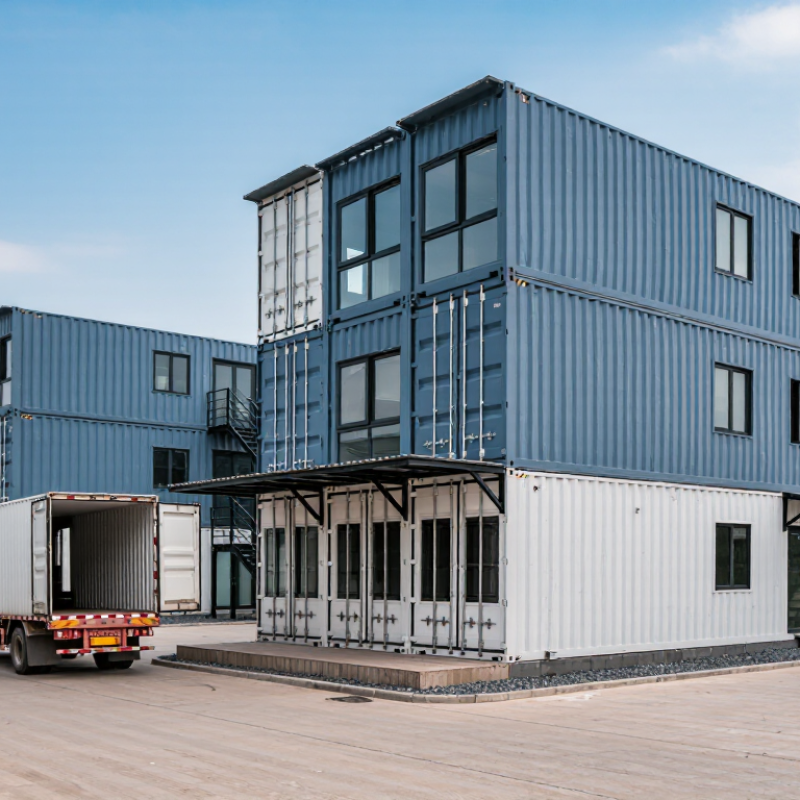
Multi-container buildings create wider storage areas by joining units side by side or end to end. They may include internal partitions, extra entrances, or simple roof extensions. Open-sided designs suit bulky items that need frequent loading, such as timber or maintenance supplies. They offer easy access, but stored goods face more dust and wind.

Insulated container buildings add lining and tighter seals to reduce temperature swings and condensation. They can suit sensitive materials, although insulation alone does not guarantee stable conditions. Ventilation and local weather still matter. A refrigerated or mechanically controlled unit may be more suitable where temperatures must stay within a defined range. It also needs a dependable power supply.

Portable container buildings are useful when storage needs may move between sites. Before purchase, confirm delivery access, ground conditions, drainage, and the usable interior dimensions. A listed capacity can look generous on paper. Measure the largest item you plan to store, including space needed to handle it. I would not assume every advertised configuration fits every site.

Top Storage Container Building Types Sold Worldwide

Approximate footprint area by common container configuration

Single 20-foot and 40-foot containers, 40-foot high-cube containers, and joined double-wide units are common storage-building configurations. Areas are approximate, calculated from nominal external dimensions of about 20 or 40 feet long by 8 feet wide. A high-cube container provides extra interior height, not extra floor area; actual dimensions vary by unit.

Layouts, Materials, Security, and Customization Options

A storage-container building works best when its layout follows the way goods move. Set receiving doors, aisles, and loading zones around actual pallet sizes and equipment turning space. Keep frequently accessed items near entrances, and separate pedestrian routes from vehicle paths. Measure twice. A plan that looks efficient on paper can still create awkward bottlenecks on site.

Material choices shape comfort and maintenance. Inspect steel condition, corner fittings, welds, roof drainage, and existing corrosion before purchase. For occupied or temperature-sensitive storage, specify insulation, sealed joints, ventilation, and suitable interior finishes. UNEP and the Global Alliance for Buildings and Construction reported that buildings and construction used 32% of global energy and produced 34% of energy- and process-related CO₂ emissions in 2023. That makes climate-responsive insulation more than a comfort upgrade. Still, insulation alone cannot fix poor ventilation or thermal bridging. Small detail. Big consequence.

Security and customization should be designed together. Consider reinforced door hardware, controlled access, motion lighting, and clear sightlines; match each feature to the site’s risks. Windows, service openings, and internal partitions can improve usability, but cutting steel may affect structural performance. Have qualified professionals assess major openings and support requirements. Specify coating systems for the local climate, then confirm drainage and maintenance access. Some modifications look simple. They are not always simple in practice.

How to Compare Storage Container Buildings for Sale

Top Storage Container Buildings for Sale Worldwide?

To compare storage container buildings for sale, start with the job they must do. A dry unit for garden equipment has different needs from a workshop holding sensitive tools. Check external and internal dimensions, door clearance, floor capacity, ventilation, and roof condition. Ask for recent photographs and a written specification. A low price can hide missing insulation, worn flooring, or delivery charges. Those details matter.

Tips: Measure your largest item and the route it must travel. Confirm site access, unloading needs, and local building requirements before requesting quotes. Keep the answers in writing.

Compare like with like. Ask whether the quoted price includes delivery, placement, installation, and any preparation work. For insulated buildings, request details about wall and roof materials, and check how moisture is managed. If possible, inspect the unit or arrange a qualified inspection. A photo may not reveal a sticking door or a soft floorboard. Even with careful comparisons, the best choice may not be the cheapest one. A spreadsheet helps, but it cannot settle every concern.

Purchasing, Delivery, Installation, and Local Requirements

Top Storage Container Buildings for Sale Worldwide?

A storage-container building may arrive as a single unit or as a larger modular structure. Before purchasing, confirm its dimensions, steel condition, insulation, door placement, and floor capacity. Ask for recent photographs and written specifications, not just a polished sales image. A small mismatch can complicate site access or storage plans. Check what the price includes, such as unloading equipment, stairs, windows, and interior finishes. Get delivery costs and lead times in writing.

Delivery needs careful planning. Measure gate widths, turning space, overhead clearance, and the route to the building pad. A delivery truck may need firm, level ground and room to maneuver. Installation plans should account for drainage, anchoring, ventilation, and safe access. Local rules differ by location and intended use. Contact the relevant building or planning office before ordering; permits, setbacks, fire access, and utility connections may apply. Requirements can be easy to overlook, even with an experienced supplier.

Tips: Photograph the site and measure twice. Share those details with the installer before booking delivery. Keep a contingency for ground preparation or schedule changes. I would not assume a flat-looking yard is level enough; verify it with a proper site check.