Top 10 Tips for Successful Container Building You Need to Know
In recent years, the trend of container building has gained significant momentum, becoming a popular solution for both residential and commercial projects. According to the Global Container Homes Market report published by Research and Markets, the sector is expected to grow at a CAGR of 5.7% from 2023 to 2030, highlighting the increasing demand for sustainable and cost-effective construction alternatives. As urbanization intensifies and the need for affordable housing rises, container building presents an innovative response to these pressing challenges.
Expert in container architecture, Dr. Emily Carter, emphasizes the potential of this building method: “Container construction not only facilitates rapid deployment of structures but also promotes sustainability through the reuse of materials.” With versatility in design and minimal environmental impact, container building appeals to eco-conscious consumers and developers alike. The optimized use of shipping containers offers countless possibilities for customization, allowing designers to create unique living spaces that align with modern aesthetics and functional needs.
As the container building industry continues to evolve, understanding the best practices for successful implementation becomes crucial. This guide presents the top 10 tips for creating effective container structures, ensuring that both seasoned builders and newcomers can navigate this innovative construction landscape with confidence.

Understanding the Basics of Container Building Techniques
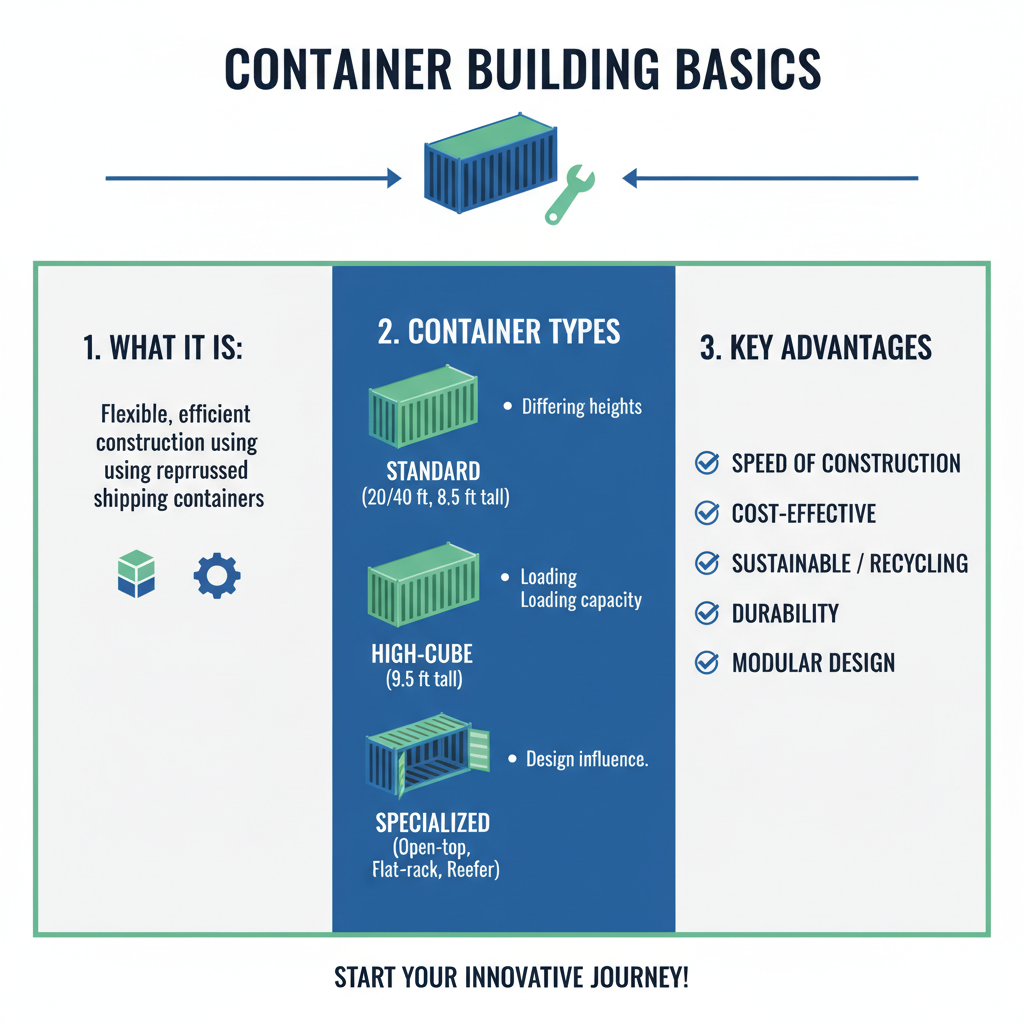
Container building has emerged as a revolutionary approach in the construction industry, providing flexibility and efficiency that traditional methods often lack. Understanding the basics of container building techniques is essential for anyone looking to embark on this innovative journey. Firstly, it’s important to recognize the various types of containers available, including standard shipping containers, high-cube containers, and specialized models. Each type offers unique advantages, such as differing heights and loading capacities, which can significantly influence the overall design and usability of the final structure.
Moreover, mastering the fundamentals of structural modifications is crucial. This includes understanding how to properly insulate containers, create openings for doors and windows, and ensure compliance with local building codes. Additionally, integrating sustainable practices, such as using eco-friendly materials and energy-efficient systems, can enhance the overall value of the project. By focusing on these core principles, builders can effectively transform shipping containers into functional, livable spaces that meet a variety of needs while also promoting resource conservation.
Choosing the Right Container Type for Your Needs
When it comes to successful container building, selecting the right container type is crucial to meet your specific needs. The choice of container can impact not only the overall structure but also functionality and cost-effectiveness. Depending on your project, you may consider options like standard shipping containers, refrigerated containers, or even custom-built units. Each type serves unique purposes—from simple storage to specialized climate-controlled environments, making it essential to analyze your requirements carefully before making a decision.
One important tip is to evaluate the intended use of your container. For example, if you're looking to create a comfortable living space, insulated containers or those with enhanced structural integrity may be ideal. On the other hand, if your primary need is for storage, standard shipping containers can offer durability and an economical choice. Additionally, consider potential modifications. Certain types of containers are more amenable to alterations, allowing for windows, doors, and other custom features that can transform them into functional spaces.
Lastly, don't forget to think about transportation and access. Some container types may require specific handling equipment or permits, which could influence your overall budget and timeline. By choosing the right container type for your needs and considering these factors, you'll set the foundation for a successful container build that meets your desired outcome.
Essential Tools and Materials for Container Construction
When it comes to successful container construction, having the right tools and materials is essential. The process not only requires physical materials but also a variety of specialized tools to ensure efficiency and safety. Key tools include heavy-duty saws for precise cuts, drills for assembly, and various hand tools like wrenches and screwdrivers. In addition, investing in portable power tools can enhance mobility on job sites, allowing builders to work more effectively.
Moreover, choosing quality materials such as durable shipping containers, insulation, and high-strength fastening systems is crucial for structural integrity. With the growing trend of container homes and businesses, understanding how to properly seal and weatherproof these structures is necessary to withstand elements and provide comfort. Utilizing eco-friendly materials can also add value to your project, offering an environmentally conscious choice that appeals to modern homeowners and businesses alike.
Top 10 Essential Tools for Successful Container Construction
Effective Planning and Layout for Your Container Project
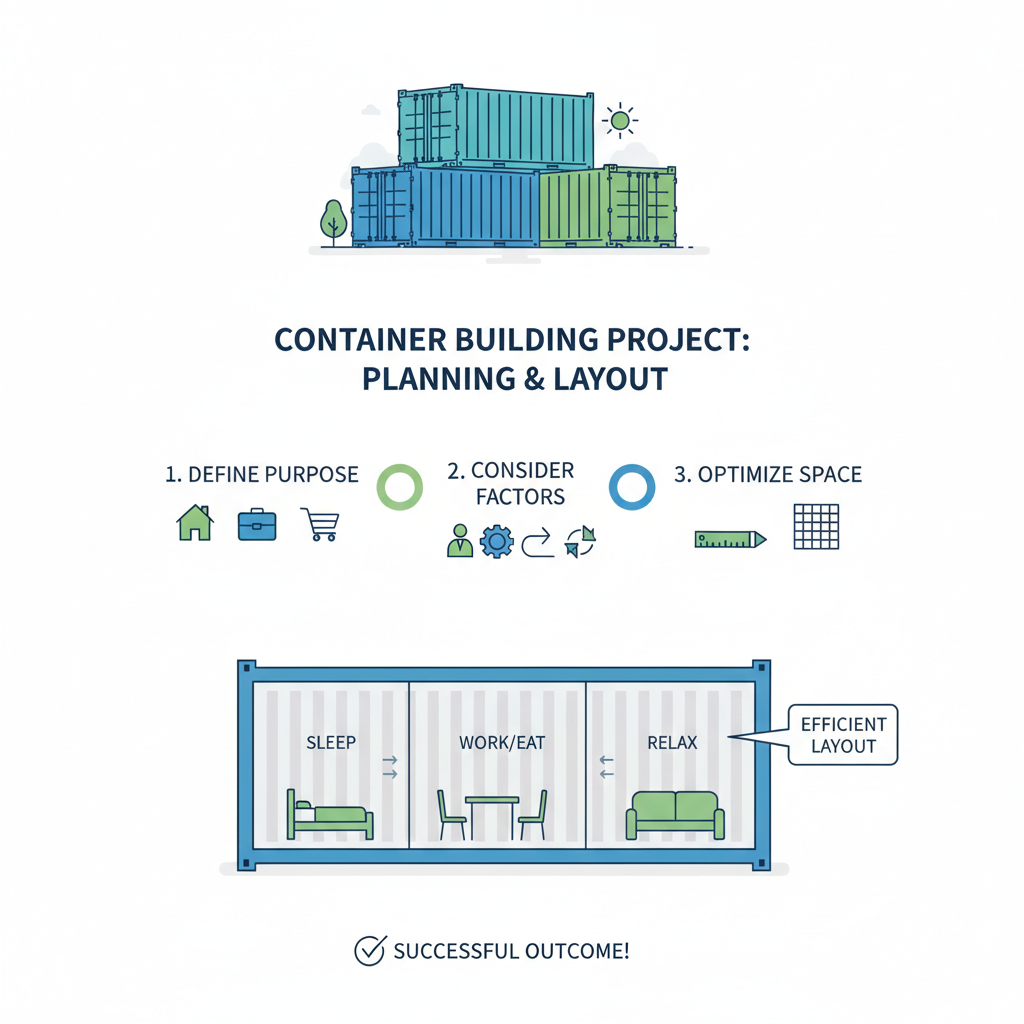
When embarking on a container building project, effective planning and layout are crucial components that can significantly influence the outcome. First and foremost, it is essential to define the purpose of the project clearly. Whether you're creating a cozy home, a mobile office, or a retail space, understanding your requirements will guide your design decisions. Consider factors such as the number of occupants, functionality of spaces, and flow of movement throughout the container, ensuring that every square foot is utilized efficiently.
Once the purpose is established, focus on the layout. Optimize the arrangement of containers to enhance both aesthetics and practicality. This may include strategic placement to maximize natural light and ventilation, as well as ensuring that utilities are easily integrated. It's also wise to incorporate outdoor spaces, such as decks or patios, as these not only expand usable areas but also create a more inviting atmosphere. By thoughtfully planning the layout from the outset, you can ensure that your container building project meets your vision while accommodating the needs of its inhabitants.
Best Practices for Insulating and Ventilating Containers
Insulating and ventilating shipping containers effectively is crucial for creating comfortable living and working environments, especially in regions with extreme weather conditions.
According to the Container Homes Association, proper insulation can reduce energy consumption by up to 35%, making homes not only more livable but also more sustainable.
Techniques such as using spray foam insulation or insulated panels can significantly enhance thermal performance, preventing heat transfer and maintaining a stable interior temperature.
Ventilation is equally important to mitigate the "Stack Effect," a phenomenon where warm air rises and cool air is drawn in from lower areas, potentially leading to humidity and air quality issues.
Ensuring adequate headspace—between 18 to 36 inches in spaces such as flowering rooms—can be instrumental in facilitating proper airflow and minimizing the risk of trapped air.
Additionally, for container homes in tropical climates, integrating natural ventilation techniques, such as strategically placed windows and openings, can enhance airflow and reduce reliance on mechanical systems, further contributing to energy efficiency and occupant comfort.