Top 10 Uses of Modular Containers for Modern Living Solutions?
In recent years, the popularity of modular containers has surged. They offer innovative solutions for housing, offices, and pop-up shops. According to a report by Allied Market Research, the modular construction market is projected to reach $157 billion by 2023. This reflects a growing acceptance of alternative living spaces.
Experts emphasize the adaptability of modular containers. John K. Foster, a leading architect specializing in modular design, remarked, "Modular containers redefine how we view space and functionality." This trend not only provides efficiency but also addresses housing shortages in urban areas. Many cities are exploring modular units as temporary solutions during crises.
However, the rise of modular containers is not without its critiques. Some argue that these structures may lack aesthetic appeal. Concerns exist about their long-term sustainability and integration into existing neighborhoods. Balancing innovation with community needs requires careful planning and consideration. As this industry evolves, it must reflect on these challenges to truly excel.
Innovative Housing Solutions with Modular Containers
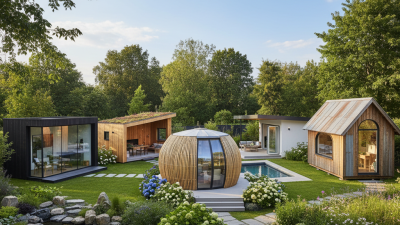
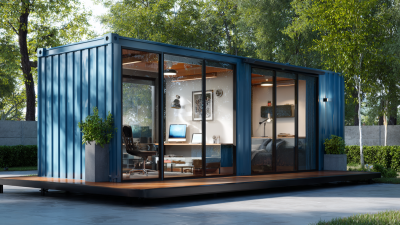
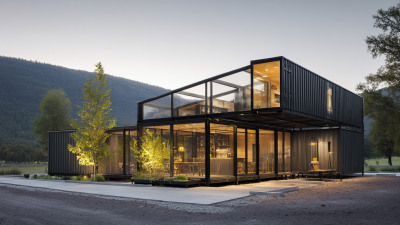
Modular containers are revolutionizing modern living solutions. They offer flexibility and can be adapted for various uses. These structures are not just boxes; they are creative spaces that can be transformed into homes, offices, or studios. Their portability makes them perfect for urban areas where space is limited. Aesthetic designs can turn stark metal into welcoming environments.
Many people face challenges when using modular containers. They may feel cold or uninviting initially. Without proper insulation, comfort is difficult to achieve. Nonetheless, with thoughtful designs and the right materials, these containers can become cozy spaces. Adding personal touches, like plants or decor, can greatly enhance the atmosphere.
One concern often mentioned is the regulatory aspect of using containers as homes. Zoning laws can be restrictive. Each region has different codes. Potential homeowners must navigate these requirements carefully. It highlights the need for community engagement in planning. Finding solutions requires collaboration and creativity, making the concept of modular living both intriguing and complex.
Adaptive Workspaces Using Modular Container Designs
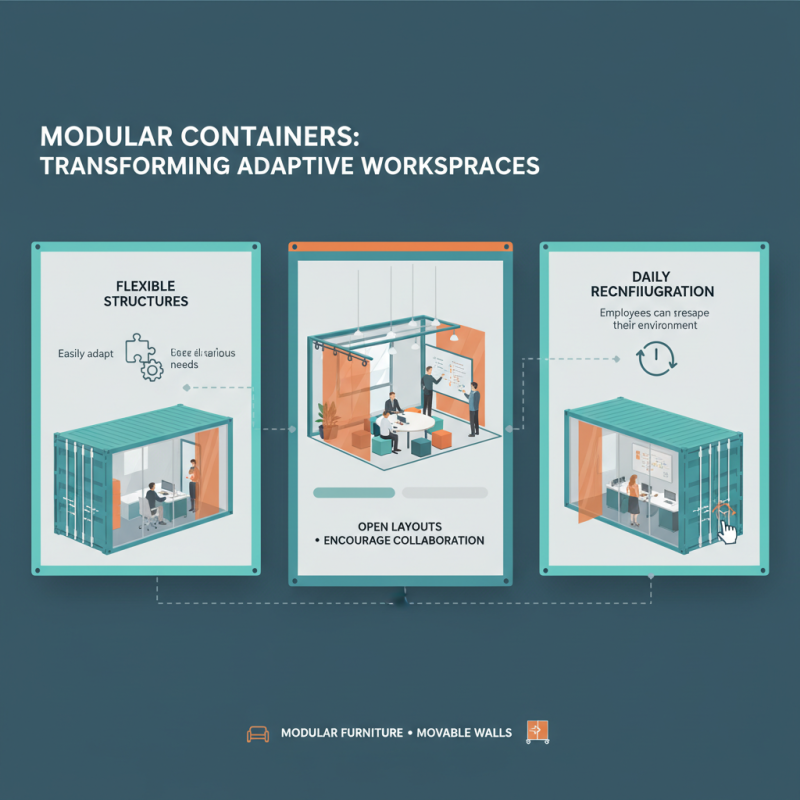
Modular containers are transforming adaptive workspaces. These flexible structures can easily adapt to various needs. Designers can create open layouts that encourage collaboration. Imagine a vibrant space with movable walls and modular furniture. Employees can reconfigure their environment daily.
However, it’s not always perfect. Space constraints may limit creativity. Some users find the atmosphere too industrial, which can affect motivation. Clever use of lighting and plants can mitigate this issue, but it requires thoughtful planning. Ultimately, the challenge is balancing functionality and comfort.
These containers can serve as pop-up offices, coworking spaces, or even studios. They allow businesses to scale operations quickly. Yet, the potential for noise and distraction exists. Soundproofing can improve the work environment. Investing in quality materials remains essential for long-term success.
Sustainable Living through Container Architecture
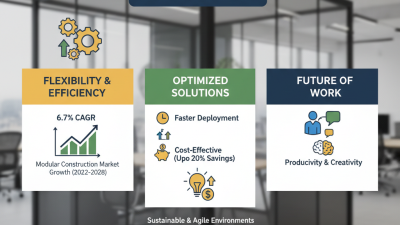
Modular containers are becoming a preferred choice for sustainable living. These structures are eco-friendly and versatile. According to the Global Modular Construction Market report from 2022, the market is expected to grow by 6.5% annually. This growth reflects a rising interest in sustainable architecture.
One major advantage of container architecture is its reduced carbon footprint. Using recycled materials can cut down waste significantly. Additionally, containers can be quickly assembled, reducing construction time. Studies show that conventional homes take 6-12 months to build, while container homes can be ready in weeks. This swift construction is appealing to many.
Tips: Consider local climate when designing your container home. Insulation is crucial for energy efficiency. Also, think about modular layouts. They allow flexibility in space usage. Lastly, be aware that regulations vary widely. Research local zoning laws before starting any project.
While container homes promise sustainability, challenges exist. Not all containers are created equal. Some may require extensive retrofitting to meet safety standards. Additionally, integrating plumbing and electricity can be complex. It's essential to plan thoroughly.
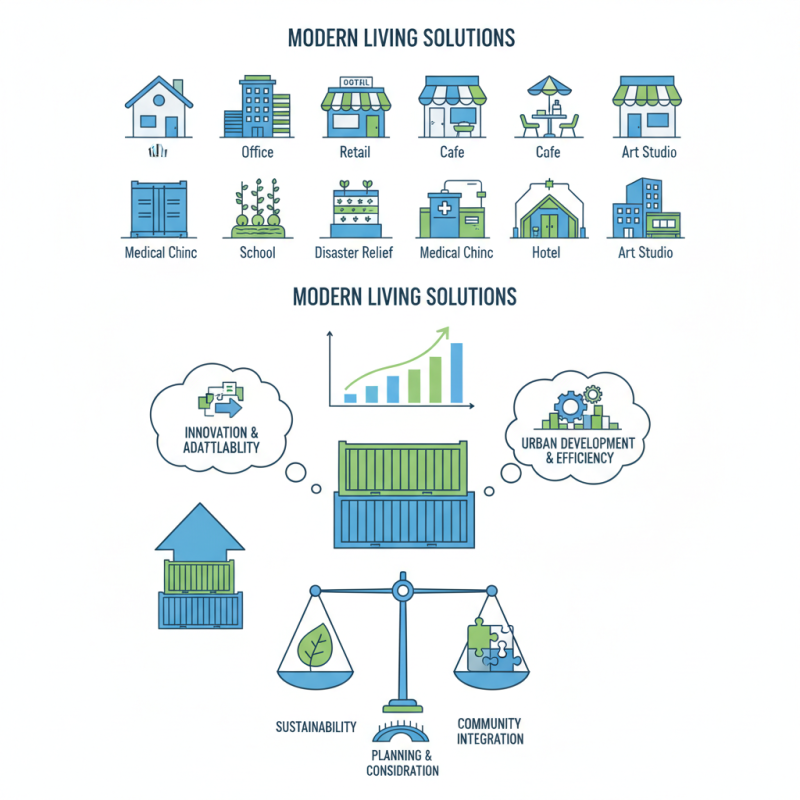
Top 10 Uses of Modular Containers for Modern Living Solutions
This bar chart illustrates the top 10 uses of modular containers as modern living solutions, showcasing how sustainable living through container architecture is being embraced.
Creative Community Spaces Built with Modular Containers
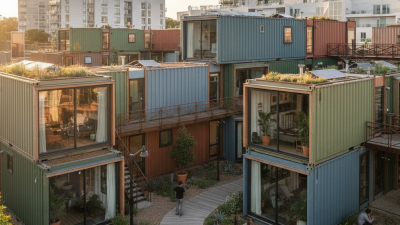
Modular containers have gained popularity in creating innovative community spaces. These structures can be assembled quickly. They offer flexibility in design and layout. Communities have used them for various purposes, from art studios to gathering hubs. Artists appreciate the creative freedom these spaces allow. Colorful murals often decorate their walls. This adds vibrancy to the neighborhood.
However, building with modular containers is not without challenges. Some designs may not fully utilize their space. The need for insulation and utilities can complicate projects. Yet, these spaces offer a unique charm that traditional buildings might lack. They foster creativity and collaboration among residents. Sometimes, these temporary solutions foster long-lasting relationships.
Transforming a shipping container into a community space requires thoughtful planning. Not every idea fits every location. Community input can greatly enhance the outcome. Discomfort may arise as people adapt to these changes. A successful project invites dialogue, encouraging everyone to embrace the container life.
Unique Retail Experiences in Modular Container Environments
The rise of modular containers has transformed retail experiences. These structures offer flexibility and a unique aesthetic that draws consumers. According to a recent report, 77% of shoppers prefer visiting stores that provide interactive and immersive environments. Modular containers can create these dynamic spaces, blending creativity with functionality.
Using modular containers, retailers can design pop-up shops and temporary installations easily. This adaptability means brands can test locations before committing to permanent setups. In 2022, the modular construction market reached $80 billion, with a compound annual growth rate of 6.4%. This trend reflects a growing interest in sustainable, innovative solutions that enhance customer engagement.
However, there are challenges. Space limitations can restrict how products are displayed. Moreover, not every location is suitable for a modular container. Brands must consider logistics and local regulations. Finding the right balance between aesthetics and practicality is essential. Thoughtful design can elevate the customer experience while ensuring operational efficiency.