Transforming Shipping Containers into Functional Home Offices: A Step-by-Step Guide for Remote Workers
As remote work becomes increasingly prevalent, the demand for unique and functional home office solutions is on the rise. One innovative option is the transformation of
shipping containers into practical home offices. According to a recent report by Grand View Research, the global shipping container market is expected to reach
$17 billion by 2027, indicating growing interest and investment in repurposing these containers for various uses, including residential and workspace environments.
Experts in the field, such as architect Dr. Laura Hartman, advocate for the benefits of a shipping container home office, stating,
“These structures not only provide a sustainable solution but also offer flexibility in design and function, making them ideal for today’s remote worker.”
By utilizing shipping containers, individuals can create dedicated workspaces that are both cost-effective and environmentally friendly, while
meeting the demands of remote work culture.
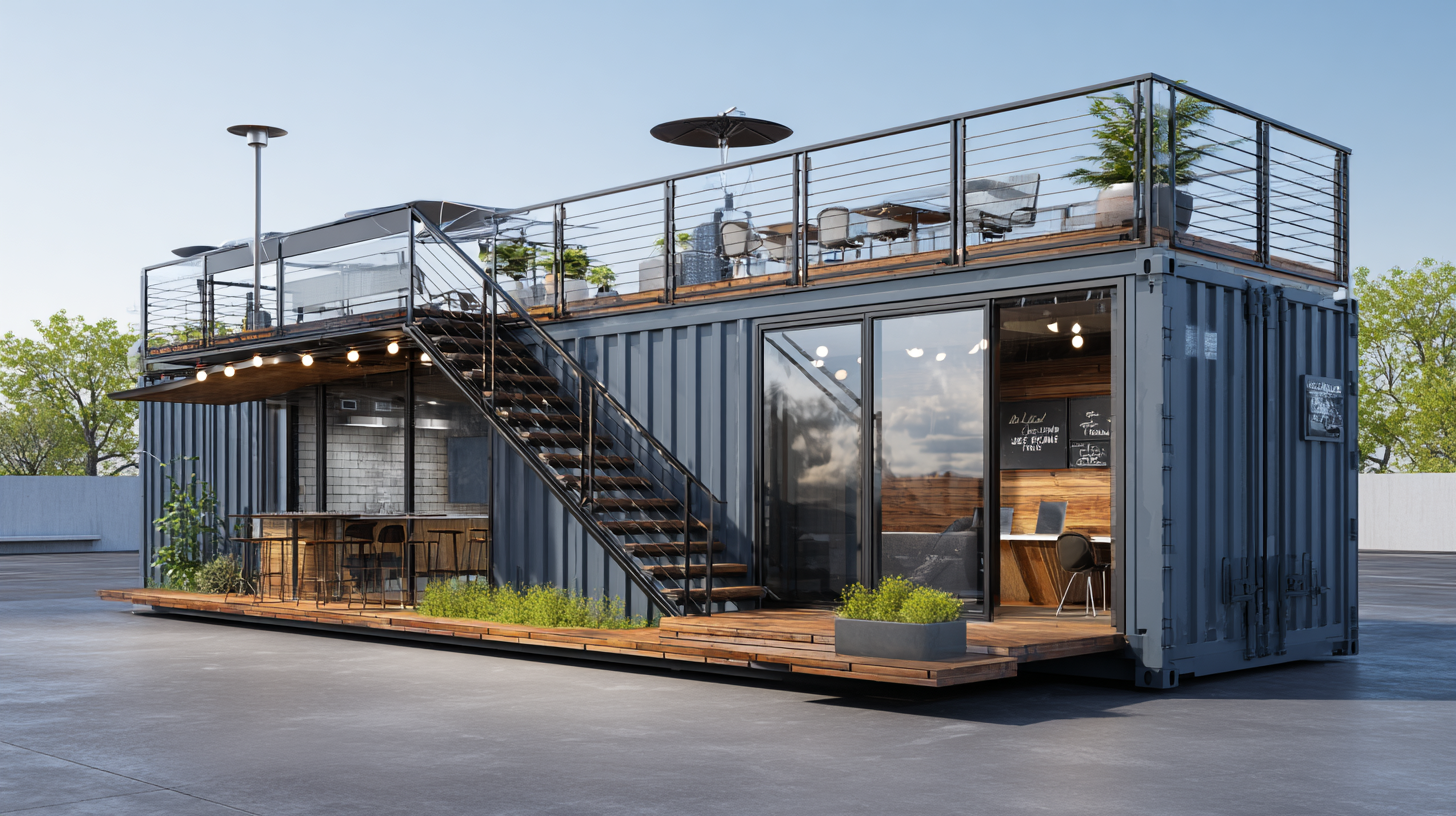
In this step-by-step guide, we will explore the essential aspects of converting a shipping container into a functional home office, including design considerations,
interior layout options, and practical tips for installation. Embracing the potential of a shipping container home office can provide remote workers with an
inspiring and efficient workspace tailored to their unique needs.
Selecting the Right Shipping Container for Your Home Office
When selecting the right shipping container for your home office, several critical factors come into play. According to a report by the Container Owners Association, the global supply of shipping containers is about 40 million, providing a vast pool of options for potential home office conversion. A standard 20-foot container often serves as an ideal starting point, offering 160 square feet of space that can be efficient for a compact workspace. The dimensions allow for ample room for desks, shelves, and essential office equipment without feeling cramped.
Additionally, potential buyers should consider the condition and type of container. A "one-trip" container, which has only been used once to transport goods, typically offers a like-new condition and fewer structural issues compared to older surplus containers. Industry analyses have shown that investing in a higher-quality container can reduce long-term renovation costs by up to 30%, as it minimizes the need for extensive repairs or modifications. By weighing these factors carefully, remote workers can ensure that their workspace is both functional and conducive to productivity.
Essential Tools and Materials Needed for Transformation
Transforming a shipping container into a functional home office requires careful planning and the right tools and materials. First and foremost, you'll need essential tools such as a power drill, saws (both circular and reciprocating), a level, and a measuring tape. These tools will help you cut, shape, and assemble various components of your office space. Additionally, safety gear like gloves and goggles is crucial to protect yourself while working.
In terms of materials, insulation is critical for comfort; consider options such as foam board or spray foam insulation to keep the temperature regulated. For the interior walls, plywood or drywall can create a polished look. You’ll also want to invest in windows for natural light and ventilation. Lastly, efficient power solutions, including electrical wiring kits and adequate outlets, are essential for plugging in your devices and ensuring a productive work environment. With these tools and materials, you'll be well-equipped to turn a basic shipping container into a personalized and efficient home office.
Designing Your Functional Layout: Space Optimization Tips
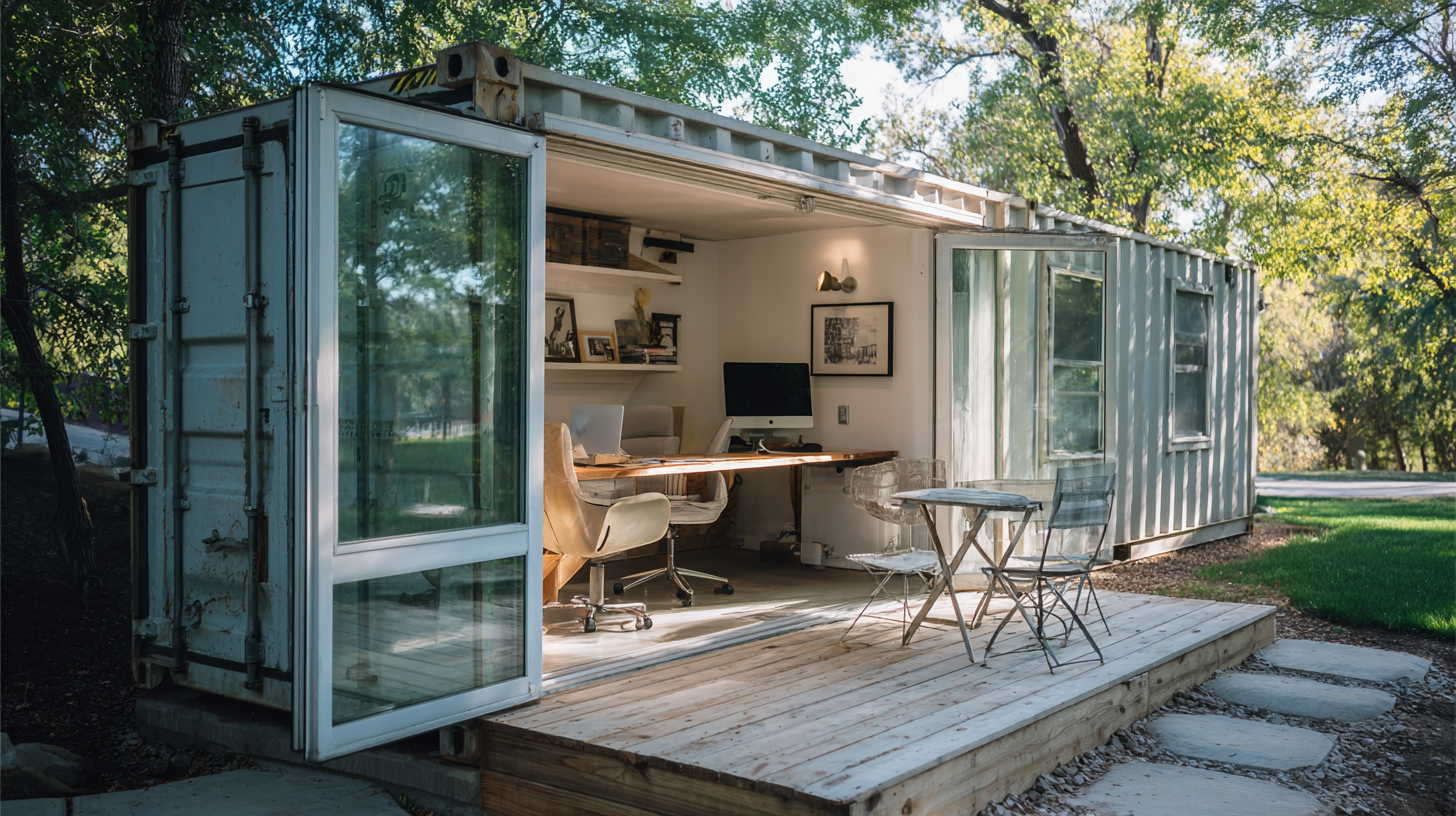
Creating a functional home office inside a shipping container requires careful consideration of layout and space optimization. Start by measuring the interior space accurately to understand how you can best utilize every inch. A well-planned layout encourages productivity and comfort, essential for remote work.
Tips: Use multifunctional furniture, such as a desk that doubles as a storage unit or a foldable chair that can be stowed away when not in use. Vertical storage solutions are also effective; install shelves above your workspace to keep essential items within reach while freeing up floor space.
Another important aspect is lighting; natural light can vastly improve mood and focus. Position your desk near a window if possible, and supplement it with task lighting for evening work sessions. Incorporating plants or artwork can create a welcoming atmosphere, helping to mitigate the sometimes isolating nature of remote work.
Insulation and Climate Control: Ensuring Year-Round Comfort
When transforming a shipping container into a functional home office, insulation and climate control are critical for ensuring year-round comfort. The first step is to insulate the container's walls, ceiling, and floor effectively. Materials such as spray foam, fiberglass batts, or rigid foam boards can help maintain a stable indoor temperature. This insulation not only minimizes heat loss during the winter but also keeps the space cooler in the summer, allowing remote workers to focus without the discomfort of extreme temperatures.
In addition to insulation, incorporating proper climate control systems is essential. Depending on the region, options like portable heaters, air conditioning units, or even a mini-split system can provide needed temperature regulation. Ventilation is also crucial; installing windows or vents promotes airflow and reduces humidity, creating a more pleasant workspace. By addressing these elements, remote workers can create an inviting and productive environment in their shipping container home office, making it a desirable sanctuary away from the distractions of a traditional home setting.
Finishing Touches: Personalizing Your Container Office Space
Personalizing your shipping container office space is essential for creating an environment that boosts productivity and reflects your unique style. According to a report by Global Workplace Analytics, remote workers who personalize their workspaces exhibit a 20-30% increase in productivity levels. By incorporating elements that resonate with your personality—such as artwork, plants, and ergonomic furniture—you can transform a basic container into an inspiring and functional workspace.
Consider integrating multifunctional furniture to maximize the limited space. A desk that doubles as a storage unit or foldable chairs can save room while providing comfort. Furthermore, color psychology plays a vital role in enhancing mood; choosing paint colors like calming blues or vibrant yellows can influence your overall work atmosphere. Research shows that environments reflecting individual tastes lead to a 15% improvement in job satisfaction.
Investing in quality materials for finishes, such as sustainable bamboo wood or eco-friendly paints, not only personalizes your container office but also contributes to a greener footprint, aligning with the growing trend towards sustainable living in workplace design.