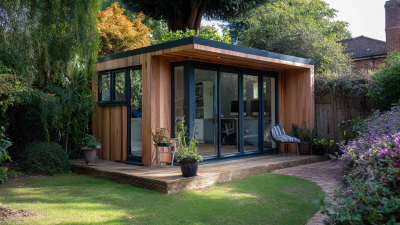
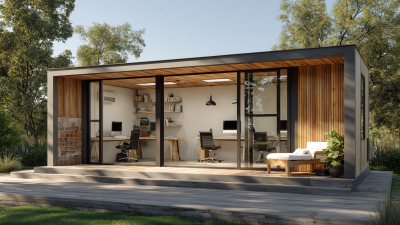
Transforming Work Environments with Modular Office Space Solutions for Modern Businesses
The modern business landscape is rapidly evolving, necessitating innovative approaches to work environments that boost productivity and collaboration. One such solution is modular office space, which has gained traction among forward-thinking organizations seeking flexibility and efficiency.
According to a report from Jones Lang LaSalle, 80% of companies now prioritize flexible workspace solutions, highlighting a significant shift in how businesses design their offices.
Additionally, the Global Modular Office Solutions Market is projected to reach $102 billion by 2026, growing at a CAGR of 5.5%, underscoring the increasing reliance on modular office space to adapt to diverse workforce needs.
These statistics reflect a broader trend towards creating dynamic work environments that foster creativity and inclusivity, making modular office spaces an essential component for modern enterprises aiming to thrive in today’s competitive market.
Revolutionizing Flexibility: The Rise of Modular Office Spaces in 2023
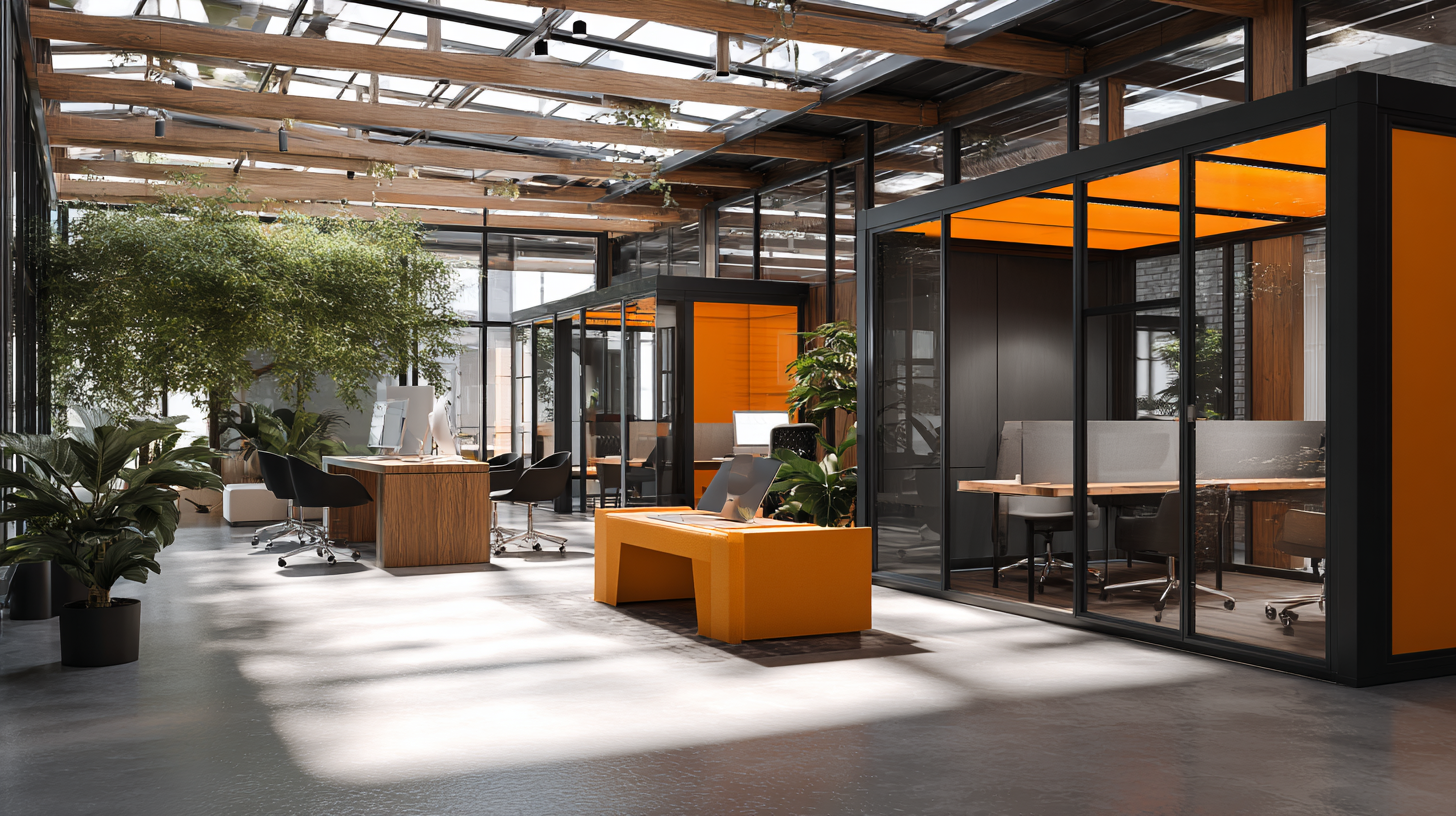
In 2023, the rise of modular office spaces is revolutionizing the way modern businesses approach flexibility. As work environments continue to evolve, the integration of pods and booths within open-plan offices is gaining traction. These compact, soundproof structures allow for an adaptable workspace that supports both individual focus and collaborative activities. The demand for such innovative designs reflects a significant shift towards creating dynamic environments tailored to the needs of contemporary workforces.
The global market for modular construction is also experiencing robust growth, driven by a collective desire for sustainable and eco-friendly solutions. With an estimated value of $105.9 billion in 2023 and a projected increase to $144.8 billion by 2030, modular integrated construction is becoming vital in high-density urban areas. This trend not only caters to aesthetic and functional requirements but also leverages advancements in technology, including 3D printing and robotics, to enhance construction efficiency and sustainability. The future of workspaces is thus being shaped by these advancements, promising a versatile and progressive approach to building the cities of tomorrow.
Boosting Productivity: How Modular Design Enhances Workplace Efficiency by 30%
Modern businesses are increasingly recognizing the role of workspace design in enhancing productivity. According to a report from Steelcase, companies that implement modular office spaces can see a productivity boost of up to 30%. This is primarily due to the flexibility these environments offer, allowing teams to collaborate more effectively, adapt to changing needs, and utilize space more efficiently. Modular designs facilitate a balance between open areas for teamwork and quiet zones for focus, catering to various work styles and tasks.
Tips for Implementing Modular Designs:
- Assess Space Requirements: Before redesigning, evaluate the specific needs of your team. Gathering feedback can guide the layout and ensure that the modular space enhances collaboration and individual productivity.
- Utilize Technology: Incorporate tech solutions like mobile apps or smart furniture that enable quick adjustments to the workspace, further enhancing adaptability without extensive downtime.
- Encourage Movement: Design spaces that promote movement, such as the inclusion of standing desks and communal areas, which can significantly impact energy levels and overall work satisfaction.
The shift toward modular office solutions reflects a growing understanding that a well-designed workspace can lead to tangible improvements in employee performance and morale. By investing in these innovative layouts, businesses align their physical environments with the dynamic nature of modern work.
Sustainability Matters: Energy-Efficient Modular Solutions for Eco-Conscious Businesses
In today's rapidly evolving business landscape, the demand for sustainable practices has never been greater. Eco-conscious businesses are increasingly seeking modular office space solutions that not only enhance operational efficiency but also prioritize energy conservation. Modular office designs, crafted from sustainable materials, provide companies with the flexibility to expand and adapt while minimizing their carbon footprint. These solutions are not only cost-effective but also offer innovative layouts that promote collaboration and productivity without compromising environmental values.
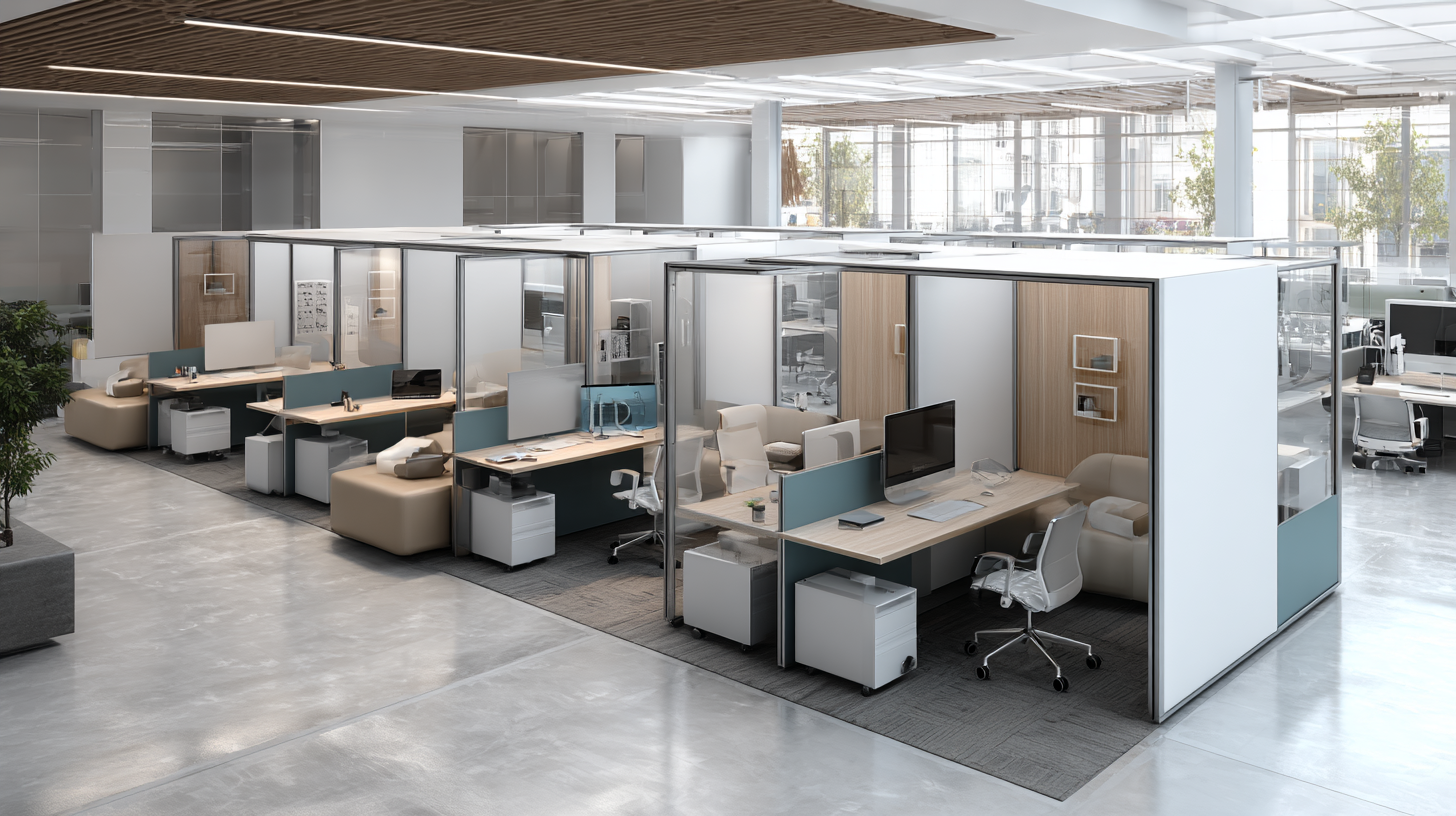
Energy-efficient modular solutions utilize advanced technologies such as solar panels, energy-saving lighting, and insulation materials that significantly reduce energy consumption. By implementing these features, businesses can substantially lower their utility costs while contributing to a greener planet. The adaptability of modular spaces means that companies can easily modify their environments to align with their sustainability goals. As more organizations recognize the importance of eco-friendly practices, the integration of energy-efficient modular solutions becomes a decisive factor in creating thriving and responsible workplaces.
Cost-Effective Strategies: Reducing Overhead with Modular Office Space Innovations
In today's dynamic business environment, modular office space solutions have emerged as a cost-effective strategy for modern companies aiming to reduce overhead costs. According to a recent industry report, businesses can save up to 20% on operational expenses by adopting flexible workspace designs. This not only minimizes fixed costs related to traditional office setups but also allows organizations to adapt more quickly to changing market needs.
Tips: When considering modular office space, businesses should analyze their specific needs and future growth potential. Engaging with a modular design expert can streamline the planning process and ensure that the space is tailored to foster collaboration and productivity. Moreover, tracking employee satisfaction and engagement can provide valuable insights into whether the new environment supports their work styles effectively.
The rise of modular building for affordable housing also illustrates the significant impact of innovative construction methods. With rising material costs, modular techniques can reduce construction timelines by up to 50%, enabling quicker occupancy and a faster return on investment. As companies look to increase efficiency, integrating modular designs into workplace strategy may not only improve cost-effectiveness but also enhance the overall employee experience.
Creating Collaborative Spaces: The Importance of Adaptability in Modern Office Environments
In today’s fast-paced business world, adaptability is paramount in creating effective collaborative spaces within modern office environments. Traditional office layouts, often rigid and hierarchical, fail to meet the dynamic needs of contemporary teams that thrive on flexibility and creativity. Modular office space solutions offer a fresh approach by allowing businesses to swiftly reconfigure their workspaces to align with evolving project demands and team sizes. This versatility not only enhances productivity but also supports a culture of innovation, where collaboration flourishes across departments.
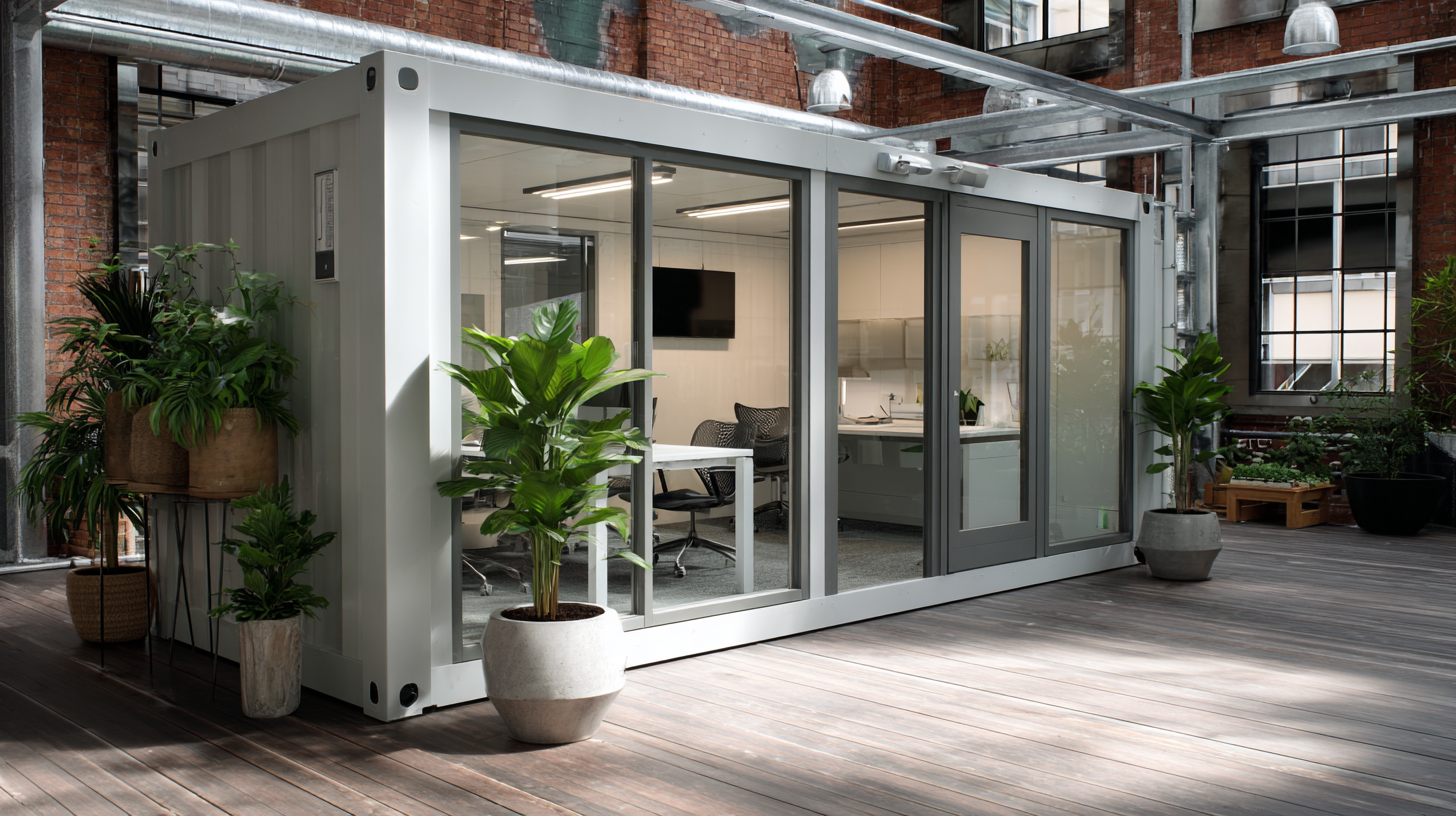
Moreover, the significance of adaptability can be seen in how employees interact with their surroundings. Open-plan designs, equipped with movable furniture and multifunctional areas, facilitate spontaneous meetings and brainstorming sessions, thereby breaking down silos. The integration of technology into these modular setups further enhances collaborative efforts, enabling seamless communication and resource sharing. As modern businesses continue to prioritize agility in their operations, the emphasis on designing adaptable office environments will undoubtedly shape the future of work, fostering collaboration, efficiency, and employee satisfaction.