

Top

What Are Storage Container Buildings?

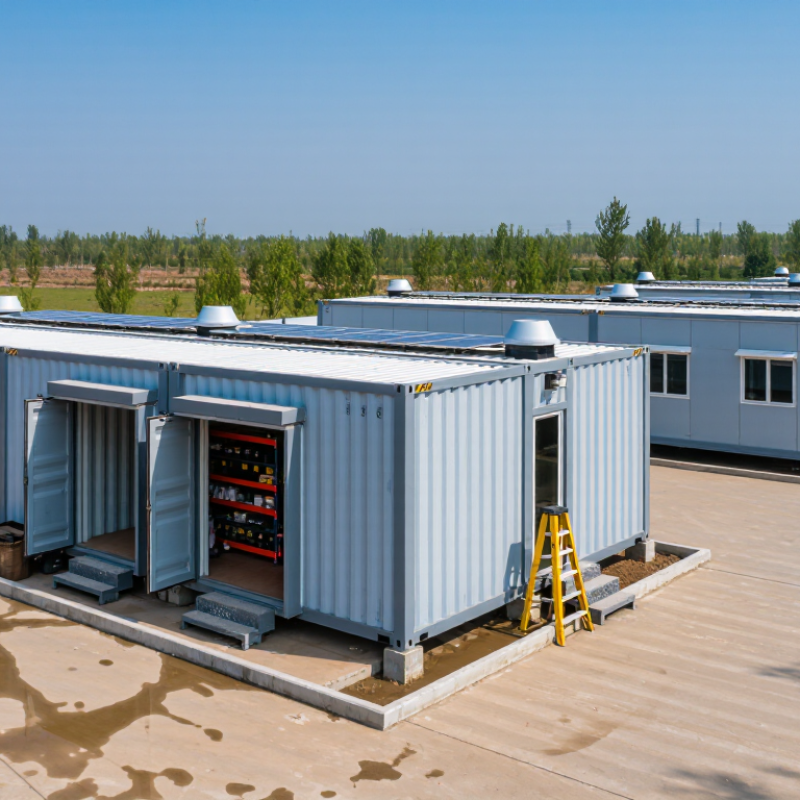
Storage container buildings turn compact, durable units into practical space for tools, equipment, inventory, or workshop tasks. Some use modified shipping containers; others are purpose-built modular structures. The distinction matters. It affects access, insulation, ventilation, and how well the building suits its site.

Building researcher Stewart Brand offers a useful framing in his book title, “How Buildings Learn.” Storage buildings should adapt as needs change. A growing inventory may call for wider doors, better shelving, or clearer circulation paths. Small details count. A wet floor after rain can reveal poor drainage. Condensation on a metal wall can signal that ventilation or insulation needs attention.

Good planning starts with use, not appearance. Consider what will be stored, how often people enter, and whether equipment needs clear turning space. Check the base, anchoring, weather protection, and local building requirements with qualified professionals. These choices shape safety and long-term performance. They also affect cost.

There is no single best layout. A simple unit may suit seasonal tools, while daily access may justify lighting, organized shelving, and improved air movement. Even a tidy design can miss something. That is worth admitting. Storage container buildings work best when owners review how the space performs and adjust it as real needs become clear.
What Are Storage Container Buildings?

Definition and Core Features of Storage Container Buildings

What Are Storage Container Buildings?
Definition and Core Features of Storage Container Buildings

Storage container buildings are enclosed spaces made from steel shipping containers or container-inspired structural modules. They can serve as storage rooms, workshops, equipment shelters, or small work areas. Their defining feature is a strong, box-shaped frame that can be adapted with doors, windows, insulation, and interior finishes. A container shell alone is not a complete building.

Core features depend on how the space will be used. A unit holding tools may need secure doors, ventilation, and raised shelving. One used for temperature-sensitive supplies may require insulated walls, a suitable heating or cooling system, and careful sealing around joints. The floor, foundation, and drainage also matter: a level base helps doors operate smoothly, while standing water can damage materials over time. Details count.

In practice, the design involves trade-offs. Cutting openings can improve access and daylight, but may require added structural support. Insulation can make the interior more comfortable, though it also reduces usable space. These buildings are often valued for their modular layout and relatively quick setup, but site conditions and maintenance still shape performance. A compact footprint can feel restrictive. Planning for actual loads, airflow, and daily access makes the structure more useful and dependable.

Structural Components and Construction Methods

A storage container building relies on more than steel boxes placed side by side. Each container has a frame, corner castings, corrugated steel walls, a roof, and a floor assembly. The corner posts and castings carry much of the stacking load. The wall panels help resist weather, but they should not be treated as interchangeable with the main frame. That distinction matters when designers cut openings for doors or windows. A wide opening can interrupt load paths, so it may need a reinforced steel frame around it. Small details count.

Construction starts with a level, stable foundation, such as concrete piers or a slab selected for the site and expected loads. Containers are positioned, checked for alignment, then connected at their corners or along designed steel joints. Connections may use bolts or welds; the choice depends on the project and should be specified by a qualified structural professional. Roof and wall assemblies often need insulation, air sealing, and drainage details to manage condensation and rain. Bare steel can get cold, and trapped moisture may cause corrosion. It is easy to underestimate that problem. Before construction, the design should account for wind, snow, occupancy, and any changes to the original structure. A container may look rigid, yet modifications can change how it behaves.

Common Types and Configurations

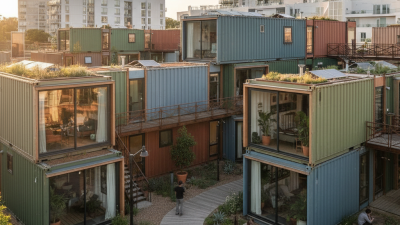
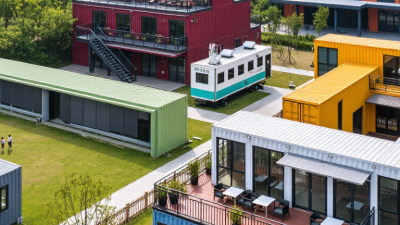
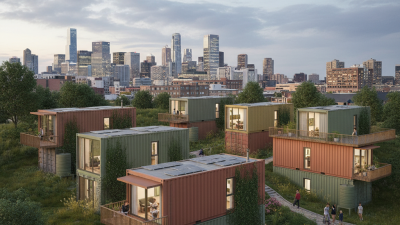
Storage container buildings use steel freight containers as modular rooms for storage, workshops, offices, or site facilities. Common types include single-container units, side-by-side layouts, stacked modules, and multi-container L- or U-shaped plans. A single unit can suit tool storage; a wider layout may allow shelving, a workbench, and a clear walkway. ISO 668:2020 defines standard dimensions and ratings for Series 1 freight containers, helping designers plan compatible modules. Still, cut openings and added doors can affect strength.

Configurations depend on use and site conditions. Stacked designs save ground space but need engineering checks for loads, connections, and foundations. Side-by-side units create broader interiors, though joining walls may require structural reinforcement and weather sealing. Insulation, ventilation, lighting, and safe access should be specified early. McKinsey’s 2019 modular-construction report found that modular methods can reduce project schedules by 20–50%; actual results vary, and container projects are not automatically faster. Details matter.

Tips: Measure the delivery route and final footprint before ordering. Check drainage, door swing, and lifting access. Keep it simple. A neat plan can still fail if the ground is uneven or rainwater pools beside the entrance.

Practical Uses Across Industries

Storage container buildings turn steel freight units into enclosed work or service spaces. Their appeal is practical: a workshop can arrive near a jobsite, while a small office can sit beside a harvest or repair yard. UNCTAD’s Review of Maritime Transport 2024 reports that global container ports handled 858.9 million TEUs in 2023. That scale supports a broad supply of standardized units, though their condition varies.

Construction teams use converted containers as site offices, tool rooms, and changing areas. Workshops can add shelving, insulation, lighting, and ventilation. Doors and floor loads need checking before equipment moves in. The Modular Building Institute’s 2024 industry report puts modular construction at 6.64% of new U.S. commercial construction in 2023. This is not a container-specific share, but it signals acceptance of off-site building methods. Useful context, not proof.

Across agriculture and manufacturing, units can hold spare parts, feed, packaging, or seasonal inventory. Retailers use them for temporary counters; clinics may adapt them for screening or storage, with specialist design for occupied care. Container buildings are not automatically cheap or comfortable. Heat, condensation, corrosion, access, and site conditions can erase savings. A shaded unit in July can still feel like an oven. Insulation helps, but only when correctly installed.

What Are Storage Container Buildings? — Practical Uses Across Industries

Industry Practical Use Typical Items or Activities Key Planning Considerations Why a Container Building May Fit
Construction On-site storage for tools, materials, and equipment Hand tools, fasteners, protective equipment, and selected building supplies Secure access, weather protection, safe placement, and clear delivery routes Can provide lockable storage close to a work area and can be relocated when site needs change.
Agriculture Storage for equipment, parts, and packaged supplies Hand tools, irrigation components, fencing supplies, and some bagged materials Ventilation, moisture control, pest prevention, and separation of incompatible materials Offers enclosed storage that can be placed near fields or farm operations, subject to site access and local requirements.
Retail and E-commerce Supplementary stock or seasonal inventory storage Packaged goods, display materials, and non-perishable inventory Inventory security, access frequency, temperature sensitivity, and fire-safety provisions Can add storage capacity near a shop, warehouse, or distribution area without changing the main building.
Manufacturing Storage for maintenance supplies and selected production materials Spare parts, packaging materials, maintenance tools, and approved consumables Safe separation from production hazards, material handling, ventilation, and workplace rules May help organize supplies near an operating area when the layout and safety review allow it.
Mining and Energy Remote-site storage for tools, parts, and general supplies Maintenance equipment, replacement parts, and non-hazardous consumables Ground conditions, weather exposure, transport access, security, and hazardous-material regulations Designed for transport and can serve locations where permanent storage buildings are less practical.
Events and Film Production Temporary storage for production or event equipment Staging components, cables, cases, props, and event supplies Site permits, crowd circulation, delivery timing, security, and protection from weather Can be delivered for a defined project period and positioned near the work area.
Public Works and Utilities Storage for field-service tools and maintenance supplies Repair tools, fittings, signs, and selected replacement components Authorized access, safe storage of regulated items, site drainage, and proximity to service routes Can support decentralized storage at depots or operational sites where permitted.
Education and Community Facilities Supplementary storage for programs and facility operations Sports equipment, groundskeeping tools, and seasonal supplies Safe access, child-safety measures, accessibility, fire codes, and local approvals Can add storage capacity on an existing site, provided the placement meets applicable rules.

Benefits, Limitations, and Key Considerations

Storage container buildings are structures adapted from steel shipping containers, often used for workshops, site offices, or compact storage. Their modular shape can simplify transport and layout planning. Several units can form larger spaces, while a single container may suit a small work area. They can also be installed faster than many conventional buildings. Still, speed depends on site access, preparation, and the work required.

The limitations matter. Steel conducts heat, so interiors may become uncomfortable without suitable insulation and ventilation. Condensation can damage stored goods or encourage corrosion. Cutting openings for doors and windows may affect structural strength, so changes should be assessed by a qualified professional. Check the floor, roof, seals, and signs of rust before purchase. Also consider local site requirements, drainage, foundation support, and delivery access. A narrow lane or soft ground can complicate installation.

Tips: Visit the site with a tape measure before ordering. Confirm the container’s internal dimensions, not just its external size. Ask how insulation, ventilation, and water runoff will be handled. Small details are easy to miss, and I would not assume a used unit is weather-tight without checking it in person.

What Are Storage Container Buildings? Benefits, Limitations, and Key Considerations

A storage container building adapts freight containers for storage or other uses. Its modular format can simplify transport and layout planning, but the available floor area is limited by the container’s dimensions.

Approximate exterior footprint area: A standard 40-foot container provides about twice the footprint of a 20-foot container. These estimates use nominal external dimensions of approximately 6.058 × 2.438 m and 12.192 × 2.438 m, respectively. Usable interior floor area is smaller.

Key considerations: Check site access, foundations, ventilation, insulation, local building requirements, and the container’s condition before planning a project. Actual dimensions can vary by container type.

Source note: Approximate footprint areas calculated from nominal standard-container external dimensions associated with ISO 668. Values are rounded.