Why Choose Square Glass Storage Containers for Your Needs?
In recent years, the popularity of square glass storage containers has surged, driven by their practical benefits and environmental impact. According to a 2022 report from the Food Storage Industry Association, glass containers account for 45% of the storage market due to their durability and safety. Unlike plastic, square glass storage containers do not leach harmful chemicals. This aspect appeals to health-conscious consumers, as over 70% of surveyed individuals prioritize food safety in their purchasing decisions.
These containers offer an ideal solution for organization in modern kitchens. Their square shape optimizes shelf space, allowing users to stack them efficiently. Many consumers appreciate that these containers are microwave, oven, and dishwasher safe. However, the initial cost may be higher than plastic alternatives. While it seems an investment, the longevity of square glass storage containers outweighs this concern.
Moreover, the aesthetic appeal of glass enhances meal presentation. Many users value how glass can transition from kitchen to dining table seamlessly. Nevertheless, some individuals may find glass containers heavier and prone to breaking. It is essential to weigh these factors when choosing the right storage solution for your needs.
Advantages of Using Square Glass Storage Containers
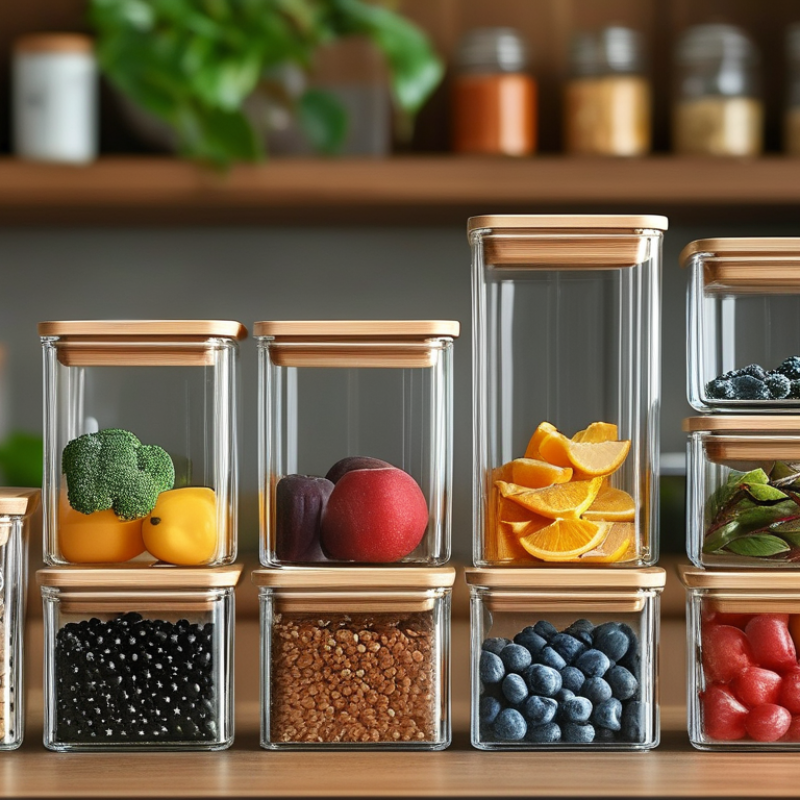
Square glass storage containers offer numerous advantages that enhance both functionality and aesthetics in the kitchen. Their geometric shape maximizes space efficiency. You can easily stack them in the fridge or cabinets. This design also facilitates organization. Finding the right container for your leftovers becomes a breeze. The transparency of glass lets you see the contents at a glance. This feature reduces the time spent rummaging through cupboards.
Durability is another key benefit of glass containers. They resist stains and odors better than plastic. You can safely use them in the oven, microwave, or dishwasher. However, glass does have its drawbacks. It can break if dropped, leading to potential messes. Care must be taken when handling them, especially when storing hot food.
The weight of glass compared to plastic is another consideration. While some may find glass too heavy, others appreciate its sturdiness. Ultimately, choosing square glass storage containers means investing in long-term quality. They align with eco-friendly practices by reducing plastic waste. Despite some challenges, their overall advantages make them worth considering for your kitchen.
Durability and Safety Features of Glass Containers
When it comes to kitchen storage, glass containers stand out for their durability and safety features. According to a report by the Glass Packaging Institute, glass containers can withstand temperatures from -40°F to 212°F, making them suitable for freezer and oven use. This versatility ensures that food remains safe during cooking and storage.
Moreover, glass does not leach chemicals into food, which is a crucial safety consideration. Research from the American Chemistry Council shows that plastic containers can release harmful substances when heated. In contrast, glass maintains its integrity and does not transfer odors or flavors. Available in various sizes, glass containers cater to different storage needs, from meal prep to leftovers.
However, glass containers are not indestructible. They can break if dropped or exposed to extreme temperature changes. Users should handle them with care to prevent accidents. In a busy kitchen, keeping track of glass storage is also necessary, as mishandling can lead to frustration. Balancing the safety benefits with the need for caution is essential for effective use.
Durability and Safety Features of Glass Storage Containers
Versatility in Storage Applications and Uses
Square glass storage containers offer remarkable versatility for various storage needs. Their clean design makes them suitable for kitchen, bathroom, or office use. You can use them to store leftovers, ingredients, or even craft supplies. The transparency of the glass allows you to easily see the contents. This can reduce food waste or help you find what you need quickly.
In addition to food storage, these containers can also be used in the bathroom. They work well for holding cotton balls, makeup brushes, or even small toiletries. Their sturdy structure provides a sense of durability. However, one might find that the square shape doesn’t fit perfectly into every cabinet or drawer. It’s important to consider your available space before investing. Ultimately, these containers bring efficient organization to your daily life, while also allowing for creative storage solutions in every room.
Eco-Friendly Aspects of Square Glass Containers
Square glass storage containers are making waves in eco-friendly living. They present a sustainable alternative to plastic options. Many consumers are becoming aware of the environmental impact of single-use plastics. According to a report from the World Economic Forum, by 2030, plastic waste could increase to 1.1 billion metric tons per year if current trends continue. This alarming statistic highlights the urgency to pivot towards greener choices.
Glass containers are reusable and recyclable. Unlike plastic, they do not leach harmful chemicals into food. A study from the Journal of Cleaner Production points out that glass has a lower environmental footprint across its lifecycle compared to plastic. The energy required to produce glass is significant, but it can be recycled infinitely without loss of quality. However, the transport of glass can increase carbon emissions due to its weight. Reflecting on this, consumers still need to weigh convenience against ecological responsibility.
Using square glass containers can also minimize food waste. Their stackable design optimizes storage space, preventing overcrowding in fridges. A report from Food Waste Reduction shows that improving storage can cut food waste by up to 25%. But shifting completely from plastic to glass can feel daunting for some. Finding the right balance between practicality and sustainability is crucial. It requires ongoing reflection on personal consumption habits.
Comparison with Other Storage Options: Glass vs. Plastic
When deciding between glass and plastic storage containers, several factors come into play. Glass containers have emerged as a popular choice due to their durability and safety. Unlike plastic, glass does not leach harmful chemicals into food, particularly when heated. This makes them a reliable option for storing meals. Additionally, glass can handle temperature changes, from freezer to oven, without breaking down.
However, there are downsides to glass. It can be heavier than plastic, making it less convenient for transport. Moreover, glass can shatter if dropped. Choosing wisely is key.
Tips: When using glass containers, ensure they are tempered glass for better heat resistance. Always allow hot food to cool before sealing to prevent pressure build-up. Store them in a sturdy section of your kitchen to avoid accidents.
In contrast, plastic containers are lightweight and less prone to breakage. They come in various shapes and sizes. Many people like their affordability. But plastics may warp over time and are less eco-friendly. If you choose plastic, opt for BPA-free options to reduce health risks. Both materials have their pros and cons, so consider your lifestyle needs before making a decision.